- Oil companies are planning to increase production by 14% between 2024 and 2030, despite the urgent need for reduced fossil fuel use.
- Increased oil production will exacerbate global heating beyond the Paris climate agreement's goals of 1.5C to 2C by 2100.
- Investor pressure and shareholder value prioritization are driving companies to increase production rather than focus on environmental sustainability.
- The expansion in oil and gas output could lead to more severe weather events, such as droughts and wildfires, further threatening ecosystems.
Heat Waves and Increasing Oil Production
As temperatures soar across much of the northern hemisphere, raising concerns about the impacts of climate change, a paradox emerges. While scientific consensus suggests that burning fossil fuels drives global warming, major oil companies are planning to increase their production.
Impacts on Climate Goals
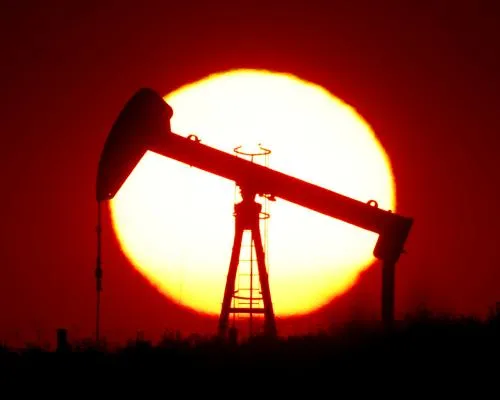
The International Energy Agency (IEA) projects a 5.9% increase in oil and gas production this decade, which would lead to significant environmental impacts. However, the planned expansion could be worse than expected scenarios, indicating that companies are not aligned with broader sustainability goals.
Ethical and Financial Priorities
Investor pressure and a focus on maximizing shareholder value have shifted company priorities away from environmental sustainability. In recent years, major oil companies like BP have backtracked on their earlier commitments to reduce fossil fuel production in favor of increased exploration and drilling.
Global Consequences
The increased production could lead to more severe weather events such as droughts, wildfires, and melting polar ice. For instance, the Amazon rainforest is at risk from prolonged drought and fire. These effects threaten biodiversity and human well-being.
Source: The Guardian

Green News
228 posts
-
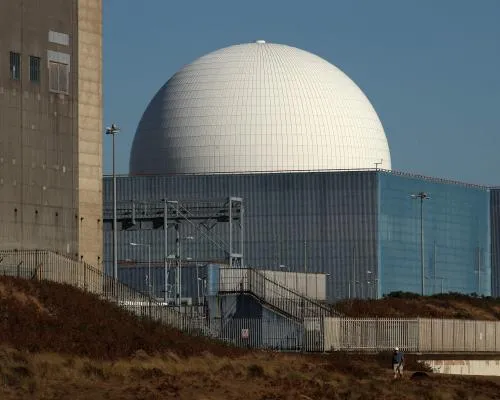 Sizewell B Nuclear Plant Gets 20-Year Extension
Sizewell B nuclear plant receives a 20-year extension, part of a broader strategy by the UK government to increase nuclear power as renewable energy capacity expands.
-
 UK Waters Grapple with Extreme Heatwave Amid Global Marine Warming
UK waters are experiencing an extreme marine heatwave, as global sea temperatures reach record levels, raising concerns about potential mass-mortality events for marine species.
-
 A Birdwatcher's Delight: Yellowhammers Sing in Suffolk’s Summer Heat
A cyclist explores Suffolk’s summer heatwave and discovers an unexpected abundance of yellowhammers.
-
 Europe Tackles Persistent Heat Wave as Typhoon Bavi Menaces Pacific
Europe faces a new wave of heat as Spain, Portugal, France and parts of the UK experience unusually warm temperatures, while Super Typhoon Bavi devastates the north-western Pacific.
-
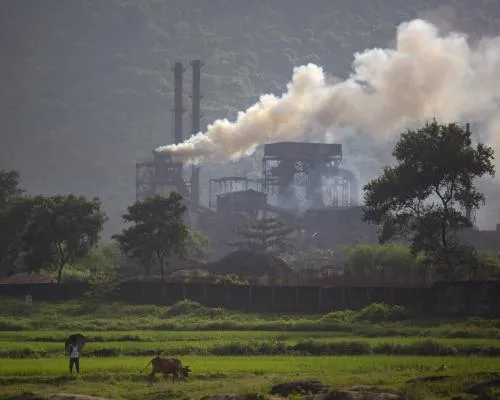 Climate Action: A Call for Responsibility Across All Nations
The article discusses the need for all nations, particularly smaller ones with high per capita emissions, to take responsibility for climate action.
-
 Bees Show 'Liking' and 'Disliking' Reactions: New Study Suggests Inner Lives for Insects
A new study reveals bumblebees exhibit 'liking' or 'disliking' behaviors when tasting different substances, suggesting their responses may reflect inner states similar to those in mammals.
-
 Bees Show ‘Liking’ and ‘Disliking’ Reactions According to New Study
A new study reveals bumblebees displaying facial expressions similar to 'liking' or 'disliking' responses observed in mammals.
-
 Historic Geoengineering Ventures: From Giant Dams to Artificial Mountains
Tim Flannery outlines five outlandish geoengineering projects from history, including the Atlantropa dam, Soviet ice-melting plans, and Project Znamya's artificial sunlight mission.
-
 Historic Projects Aimed at Altering the Climate: From Bombing Ice Caps to Building Artificial Mountains
Tim Flannery recounts five ambitious historical plans aimed at altering Earth’s climate through grand engineering projects, highlighting humanity's enduring quest to control its environment.
-
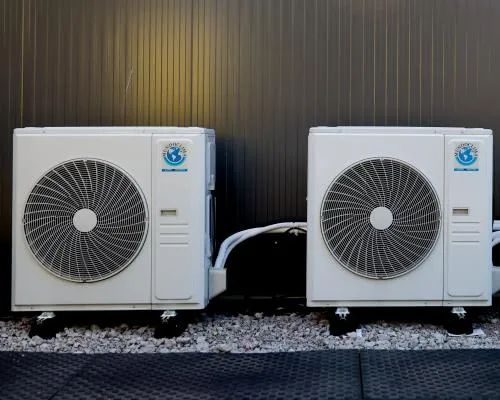 Europe’s Air Conditioning Debate Escalates Amid Record Heat
Europe faces a new culture war over air conditioning use amid record-breaking heatwaves, with political parties using it as an issue to gain support while health experts advocate for balanced solutions.


