- High temperatures and tropical nights sweep across Spain, Portugal, France, and parts of the UK.
- Super Typhoon Bavi intensifies in the north-western Pacific, causing significant damage.
- Heat poses health risks, particularly for vulnerable populations.
- Forecasters warn of severe weather conditions from typhoons to coastal inundation.
Another Surge of Heat Spreads Across Western Europe
Another surge of heat spread across western Europe at the weekend, with Spain, Portugal and France already sweltering and southern parts of the UK joining them on Monday. Temperatures are forecast to climb to 10-15°C above average, with highs approaching scorching temperatures in some areas of France and Spain, while the UK is expected to reach the low- to mid-30s Celsius.
However, the focus should not be solely on daytime highs. Overnight conditions are also forecast to become increasingly uncomfortable as tropical nights return, with temperatures failing to fall below 20°C. In Madrid, for instance, overnight lows are predicted to remain relatively high – almost 9°C above the seasonal average of 16.5°C. The outlook is similar in France, where many areas are expected to experience warm nights, about 7-9°C above the 1991–2020 average.

Nantes faces some of its warmest nights, with minimum temperatures unlikely to drop below the norm. Southern England and Wales will be slightly cooler but overnight temperatures in cities are still expected to remain above 20°C into the weekend. Persistently warm nights pose a significant health risk. Without cooler conditions at night, the body has little opportunity to recover from the intense daytime heat, increasing the risk of heat stress, particularly for older people and those with underlying health conditions.
Although this current hot spell is not expected to match the exceptional heat that swept Europe in late June, its prolonged nature will still require extra care for the most vulnerable. Health officials in Madrid have issued warnings about the potential for heat-related illnesses among the elderly and those with pre-existing medical conditions. The city's hospitals are preparing for a surge in patients, particularly those suffering from dehydration or cardiovascular issues.
Super Typhoon Bavi Wreaks Havoc in the North-Western Pacific
In stark contrast to Europe’s heat wave, Super Typhoon Bavi is wreaking havoc across the north-western Pacific. The storm recently passed through the Northern Mariana Islands and Guam before making landfall on Rota with sustained winds of 178 miles per hour (155 knots), a category 5 typhoon.
The intensity of Bavi's impact is evident in severe weather warnings issued by authorities. Coastal areas are bracing for waves as high as 35 feet, and inland regions may experience torrential rains exceeding 200 millimeters, leading to flash flooding risks. Infrastructure damage is also expected due to strong winds and storm surges.
On Sunday, analysis recorded sustained winds of 178mph (155 knots), with gusts reaching astonishing speeds. Destructive winds are only part of the threat. Forecasts warn of waves rising up to 35 feet and coastal inundation reaching heights of 3.7 meters, along with torrential rainfall exceeding 200 millimeters and a heightened risk of flash flooding. The super-typhoon is expected to retain its strength until Wednesday before weakening and curving north-west towards Taiwan.
Bavi’s path has already caused significant damage in the Northern Mariana Islands and Guam, where infrastructure was severely affected by strong winds and heavy rainfall. On Rota, buildings were damaged, and power outages were reported. Authorities are urging residents to remain cautious as Bavi's impact continues to unfold.
Coastal flood warnings will remain in effect until Wednesday afternoon, while high surf advisories persist in affected areas. Looking ahead, coastal communities along the path of the typhoon are bracing for severe weather. As climate patterns evolve, it is imperative that public health systems adapt to manage the increasing frequency of such extreme weather events.
Source: The Guardian

Green News
224 posts
Warning: Undefined array key "language" in /www/wwwroot/yoosight.com/assets/includes/functions_three.php on line 1879
Deprecated: strtolower(): Passing null to parameter #1 ($string) of type string is deprecated in /www/wwwroot/yoosight.com/assets/includes/functions_three.php on line 1879
-
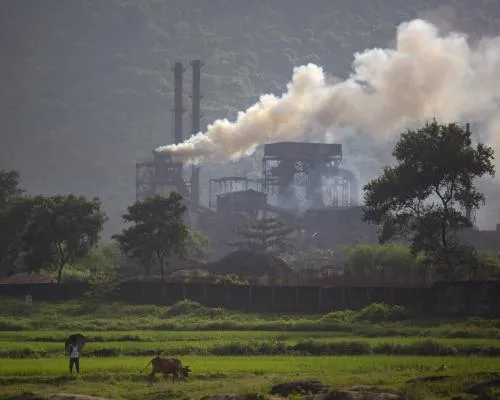 Climate Action: A Call for Responsibility Across All Nations
The article discusses the need for all nations, particularly smaller ones with high per capita emissions, to take responsibility for climate action.
-
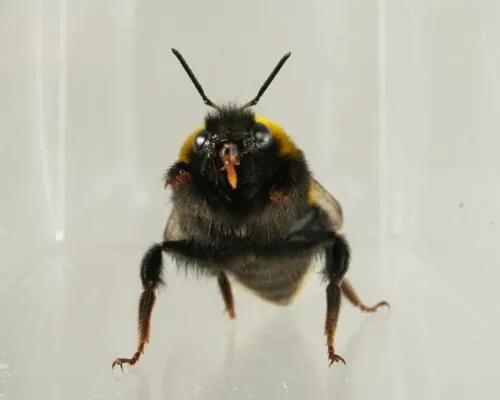 Bees Show 'Liking' and 'Disliking' Reactions: New Study Suggests Inner Lives for Insects
A new study reveals bumblebees exhibit 'liking' or 'disliking' behaviors when tasting different substances, suggesting their responses may reflect inner states similar to those in mammals.
-
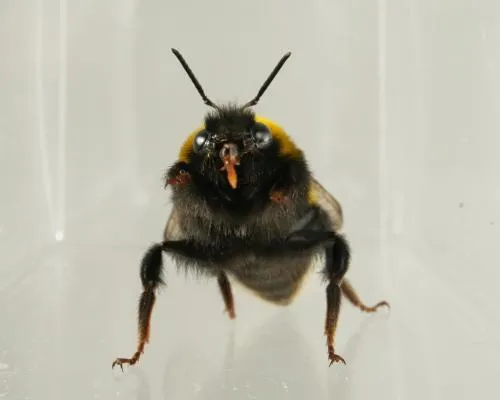 Bees Show ‘Liking’ and ‘Disliking’ Reactions According to New Study
A new study reveals bumblebees displaying facial expressions similar to 'liking' or 'disliking' responses observed in mammals.
-
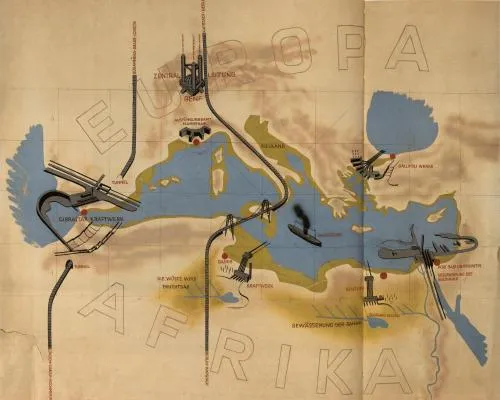 Historic Geoengineering Ventures: From Giant Dams to Artificial Mountains
Tim Flannery outlines five outlandish geoengineering projects from history, including the Atlantropa dam, Soviet ice-melting plans, and Project Znamya's artificial sunlight mission.
-
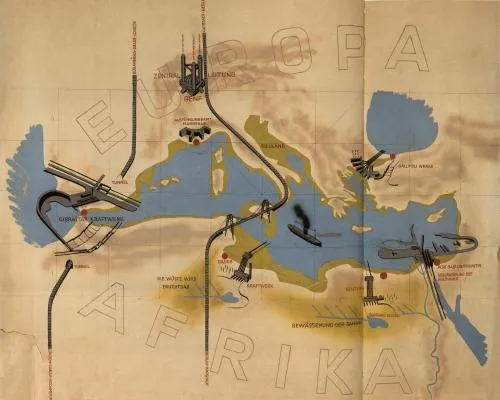 Historic Projects Aimed at Altering the Climate: From Bombing Ice Caps to Building Artificial Mountains
Tim Flannery recounts five ambitious historical plans aimed at altering Earth’s climate through grand engineering projects, highlighting humanity's enduring quest to control its environment.
-
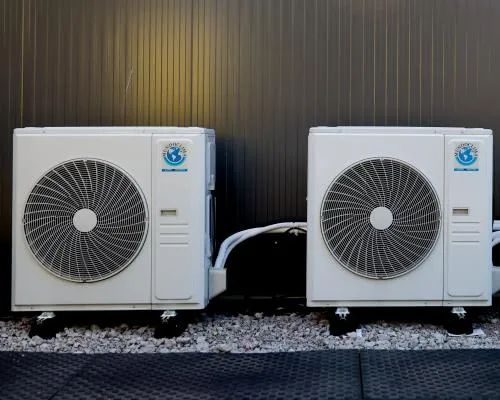 Europe’s Air Conditioning Debate Escalates Amid Record Heat
Europe faces a new culture war over air conditioning use amid record-breaking heatwaves, with political parties using it as an issue to gain support while health experts advocate for balanced solutions.
-
 Norfolk Swallowtail Butterfly Is Found To Be a Distinct Subspecies for Over 200,000 Years
A study reveals that Britain’s endangered Norfolk swallowtail butterfly has been a distinct subspecies for at least 200,000 years, challenging previous theories and highlighting the need for urgent conservation efforts.
-
 Reflections on the 1976 UK Heatwave: Lessons from History
Residents recall the 1976 UK heatwave, sharing stories of water scarcity, high temperatures, and adapting to extreme conditions.
-
 National Park Crisis Looms as Visitation Soars
The ancient groves of giant sequoias in Yosemite National Park provide a tranquil setting. However, the increasing number of visitors has put significant…
-
 Merlin Bird ID App to Integrate with Global Biodiversity Project
The Merlin bird identification app is now linked with eBird database, allowing real-time bird data collection for conservation efforts.


