- Suffolk’s late June heatwave did not dampen the abundance of birdlife.
- Yellowhammers were a surprising and welcome sight, their distinctive song heard frequently.
- The name yellowhammer has interesting linguistic origins related to bunting.
Abundance Amidst Heat
With hindsight, the late June heatwave was not the ideal time for my (very) old schoolmates and me to be cycling around Suffolk. Yet, despite the searing heat and the lateness of the season, the woods and hedgerows were still awash with birdsong. Chirping chiffchaffs, melodic blackcaps, and warbling whitethroats were everywhere, while swallows twittered over fields and swifts screamed past rooftops in the towns and villages we rode through. I even saw a cuckoo – which I momentarily mistook for a sparrowhawk – flying fast and low across the road.
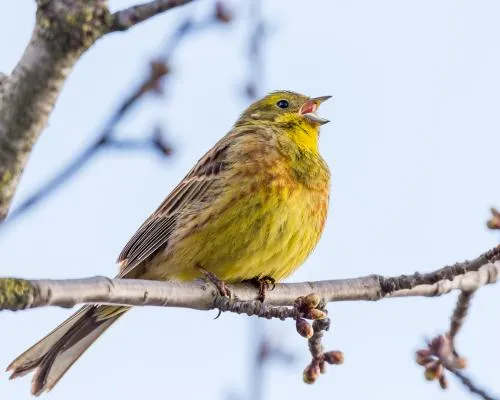
The most surprising discovery was the number of yellowhammers heard along the route, each delivering their characteristic song: a rapid warble followed by a final flourish, often rendered as “a-little-bit-of-bread-and-no cheeeese.” The name ‘yellowhammer’ is a puzzling linguistic quirk, which might suggest that the bird’s song is peculiarly percussive. The name actually derives, via Anglo-Saxon, from the German word “ammer” – and simply means bunting. Another now obsolete name, yoldring, almost certainly explains the reference to five gold rings in the famous Christmas carol, while scribble lark refers to the pencil-like markings on the bird’s eggs.
Where I live in Somerset, despite the farmed landscape being similar to Suffolk, yellowhammers are very few and far between. Indeed, I’d come to believe that this colorful little bunting had disappeared from most of lowland England. However, during this journey up rolling hills, cheered on by a chorus of birdsong, I was delighted to be proved wrong.
Reflections on the Journey
The journey through Suffolk not only provided a stark reminder of how resilient some bird populations can be but also served as a poignant reminder of the changing landscape in England. The presence of these birds, especially considering their rarity in Somerset, underscores the need for ongoing environmental monitoring and protection.
As we concluded our ride, the sun began to set, casting long shadows across the fields and hedgerows where the yellowhammers had been singing just moments before. It was a bittersweet ending, knowing that while these birds might continue their lives amidst the ongoing changes in their habitat, much of lowland England remains uncertain for many species.
Source: The Guardian

Green News
228 posts
-
 Sizewell B Nuclear Plant Gets 20-Year Extension
Sizewell B nuclear plant receives a 20-year extension, part of a broader strategy by the UK government to increase nuclear power as renewable energy capacity expands.
-
 UK Waters Grapple with Extreme Heatwave Amid Global Marine Warming
UK waters are experiencing an extreme marine heatwave, as global sea temperatures reach record levels, raising concerns about potential mass-mortality events for marine species.
-
 Oil Companies Expanding Production Amidst Severe Heat Waves
Oil companies are increasing production despite the urgent need to reduce fossil fuel use, exacerbating climate change and threatening ecosystems worldwide.
-
 Europe Tackles Persistent Heat Wave as Typhoon Bavi Menaces Pacific
Europe faces a new wave of heat as Spain, Portugal, France and parts of the UK experience unusually warm temperatures, while Super Typhoon Bavi devastates the north-western Pacific.
-
 Climate Action: A Call for Responsibility Across All Nations
The article discusses the need for all nations, particularly smaller ones with high per capita emissions, to take responsibility for climate action.
-
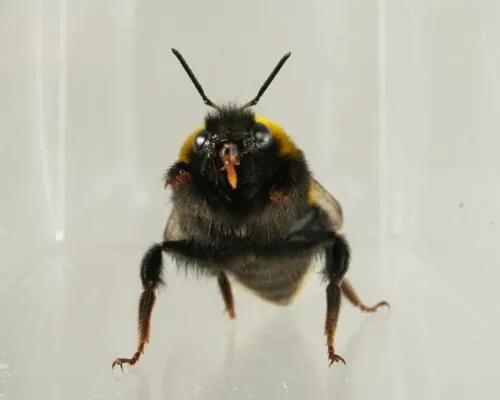 Bees Show 'Liking' and 'Disliking' Reactions: New Study Suggests Inner Lives for Insects
A new study reveals bumblebees exhibit 'liking' or 'disliking' behaviors when tasting different substances, suggesting their responses may reflect inner states similar to those in mammals.
-
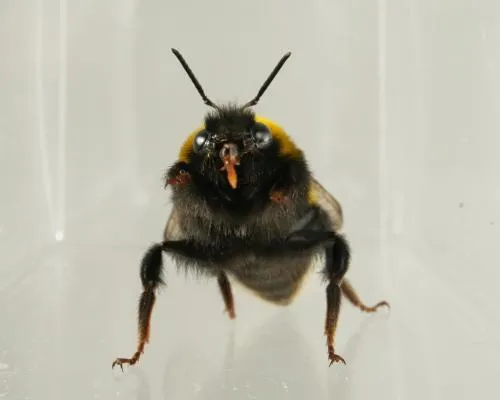 Bees Show ‘Liking’ and ‘Disliking’ Reactions According to New Study
A new study reveals bumblebees displaying facial expressions similar to 'liking' or 'disliking' responses observed in mammals.
-
 Historic Geoengineering Ventures: From Giant Dams to Artificial Mountains
Tim Flannery outlines five outlandish geoengineering projects from history, including the Atlantropa dam, Soviet ice-melting plans, and Project Znamya's artificial sunlight mission.
-
 Historic Projects Aimed at Altering the Climate: From Bombing Ice Caps to Building Artificial Mountains
Tim Flannery recounts five ambitious historical plans aimed at altering Earth’s climate through grand engineering projects, highlighting humanity's enduring quest to control its environment.
-
 Europe’s Air Conditioning Debate Escalates Amid Record Heat
Europe faces a new culture war over air conditioning use amid record-breaking heatwaves, with political parties using it as an issue to gain support while health experts advocate for balanced solutions.


