- UK sets new June temperature record by 2.1C
- Germany breaks all-time heat record for third day in a row
- China experiences similar extreme conditions with temperatures reaching up to 47C
- Authorities issue warnings and precautions due to high temperatures
Temperature Records Shattered Across Europe
Last week’s heatwave across western Europe shattered national June records and set new all-time highs. The UK recorded a provisional high of 37.7C at Lingwood in Norfolk on Friday, 27 June, smashing the previous June record of 35.6C, set in 1976. Such a margin is exceptionally rare: temperature records are typically broken by 0.1C or 0.2C, not a significant 2.1C. Germany reached 41.7C in Coschen on 28 June, breaking its all-time record for a third consecutive day. The Netherlands set a new June record with 39.4C on 26 June, while Hungary recorded an all-time high of 42C in Szécsény on 30 June.
The Heatwave Extends Across Europe

Alongside the daytime extremes, much of Europe experienced widespread tropical nights, where overnight temperatures do not fall below 20C. The highest minimum temperature recorded during this period was 29.4C in an unspecified region, Germany. France also endured several days above 40C, forcing some nuclear power plants to shut down.
Far East Experiences Comparable Heat
This week, north-western China is experiencing similarly hot conditions. Temperatures reached 45C on Monday and 47C on Tuesday, with the heatwave expected to continue until 7 July. Extreme heat warnings have been issued in Yuli and Ruoqiang regions, where temperatures are expected to exceed 45C all week.
Causes and Impacts
The heatwave is being driven by a persistent high-pressure system over the continent, which is drawing in hot, dry air while blocking cooler air masses. In such an arid region, the lack of soil moisture limits evaporative cooling, causing the ground and air to heat even more rapidly. Authorities have urged residents and businesses to avoid outdoor manual work during the hottest parts of the day, protect elderly and vulnerable people, and take extra precautions against wildfires. Road surface temperatures are forecast to exceed 60C, increasing the risk of asphalt deformation and disruption on highways. Such temperatures heighten the likelihood of breakdowns and cargo spoilages. Railways have also introduced speed restrictions because of high track temperatures.
Conclusion
The ongoing heatwave highlights the vulnerability of urban and rural areas alike in the face of rising global temperatures. As Europe and China continue to battle through these extreme conditions, the focus remains on ensuring public safety while monitoring the potential long-term impacts of such weather events. The unprecedented nature of this heatwave underscores the need for robust planning and adaptive measures to mitigate the effects of climate change.
Source: The Guardian

Green News
213 posts
-
 A blackbird with a taste for musicals
Letter: Jane Horne wonders if other readers hear well-known tunes in blackbird song
-
 Heatwave Hampers US Celebrations and World Cup Events
A heatwave exacerbated by climate change threatens US celebrations and international sports events this weekend.
-
 Donald Trump may be the accidental hero of a feelgood climate tale even as a creeping horror story plays alongside
Even as we watch a deadly heatwave sweep through Europe, the US president’s ineptness has created reason for optimism on the climate crisis
-
 Brutal heatwave scorches eastern US ahead of Fourth of July weekend
National Weather Service warns heat index could reach 115F as heat grips midwest, Ohio valley and east coast
-
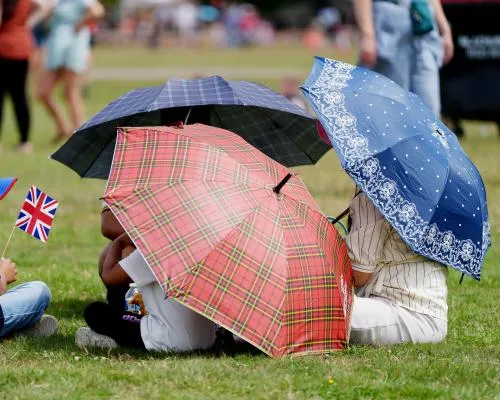 A bargain price for reaching net zero in Britain
Letters: Dr Charlie Gardner says the public are vastly overestimating the cost of net zero. Plus letters from Moira Gommon and Diana Francis
-
 Defra breached law when it let farmers use bee-killing pesticide, watchdog says
Office for Environmental Protection finds failures by department when it granted emergency authorisation in 2023 and 2024
-
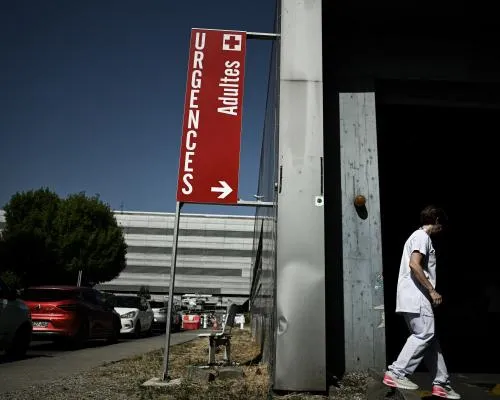 Plans must be put in place before heatwaves – not cobbled together during them
Letters: Health professionals across Europe are calling for an EU climate and health strategy, write Mark Wilson and Dr Paul De Raeve; plus a letter from Nadine Henderson
-
 ‘I don’t just watch climate change happening’: the young Swedes being paid to make a difference
Participant-led YPS scheme creates green projects while providing summer jobs in country with high youth unemployment
-
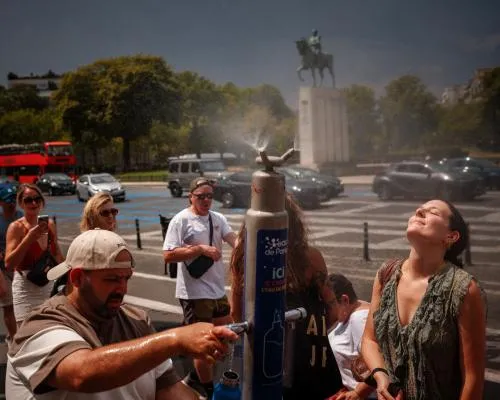 Spain and France face more heat after scorching June caused 2,000 deaths
Temperatures could reach 44C in south-east Spain as fights break out in Paris supermarkets over air-conditioning units
-
 Voyage to the end of the world: floating lab to explore life in Arctic adrift in ice
An eight-month expedition will set off soon from Norway on a mission to find new species before the climate crisis and pollution changes the northern ocean for ever


