- US launches new attacks against Iranian targets following ship bombings
- Iran threatens strong retaliation and mobilizes military forces
- Tensions persist over Strait of Hormuz, with potential economic impacts
Retaliatory Strikes in South of Iran
The United States has launched fresh military strikes on Iran following the country's attack on commercial ships in the Strait of Hormuz, according to reports from The Guardian and other sources. US forces targeted a maritime traffic control tower and a depot in Chabahar, with explosions also reported near Bandar Abbas and Abu Musa Island.
Iran's Response
In response, Iran has vowed strong retaliation. State media reports indicate that Iranian air defenses engaged hostile targets near Bandar Abbas. Additionally, Mohsen Rezaei, a military advisor to the supreme leader, stated on X: 'The aggressor enemy and its accomplices will be severely punished.' Iran state news agency Irna also reported that a firefighter had been killed after an attack on Iranshahr Airport in southeastern Iran.
Furthermore, the burial of Iran's late Supreme Leader Ali Khamenei has stirred emotional reactions across the country. Thousands of mourners had gathered for his funeral ceremonies, which took place over several days and attracted millions of people. The processions through holy cities like Najaf and Karbala in Iraq led to increased regional tensions.
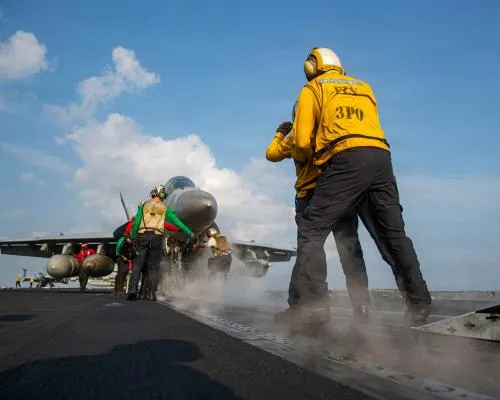
Iranian state TV quoted Mashhad governor Hassan Hosseini as saying he 'expects 15 million people' to attend Khamenei's funeral, which was set to be held Thursday evening at the Shrine of Imam Reza - Iran’s most revered place of worship. This solemn event underscores the deep emotional and political significance for Iranians.
Regional Tensions and Economic Concerns
The escalation in tensions has raised concerns about potential economic impacts, with attacks causing power outages in Chabahar. The Iran State News Agency (ISNA) reported that two of the three power lines were restored, while the third is expected to be operational soon.
Meanwhile, UN Secretary-General Antonio Guterres and Pakistan have called for restraint, emphasizing the need to resolve regional issues through diplomatic means. However, these calls come amidst ongoing hostilities, with Iran threatening a massive counterattack on US military bases in the region. The US senator Bernie Sanders criticized Trump’s approach, saying 'restarting his reckless war with Iran won't make America stronger. It will cost more lives and waste more taxpayer dollars.'
US strikes today targeted a maritime traffic control tower and a depot in Iran's southeastern port of Chabahar, according to local officials. Separately, Iran’s Mehr news agency said that explosions were also heard in Iranshahr.
Economic and Human Impact
Fatemeh Aman, an Iran expert from the Middle East Institute and Atlantic Council, warned of potential economic repercussions if tensions affect the Strait of Hormuz. 'The latest attacks raise the risk of renewed escalation, but whether they develop into a broader conflict will depend on the responses of all parties,' she stated.
The economic impact is already visible, with even limited attacks pushing up oil prices and increasing shipping and insurance costs. Additionally, young Iranians are increasingly concerned about the ongoing crisis, as Sahar, a 34-year-old teacher in Tehran, said: 'Every night we remain alert, in fear, and charge our phones, keep our packed bags near the doors, and sleep lightly because we do not know when we will have to rush and leave the house.' Meena, a 29-year-old graphic designer, added that fresh strikes deepen uncertainty among her generation who are already struggling with economic crises.
US Military Operations and Public Statements
The US military confirmed it was carrying out another round of strikes after Iran attacked ships in the Strait of Hormuz a day earlier. Sahar, a 34-year-old teacher from Tehran, expressed her concerns: 'People here are tired and fed up; we want peace, dignity, and a normal life, not another unending war decided over our heads.' An unnamed U.S. official told Reuters that Wednesday's strikes were expected to be bigger than those carried out on Tuesday.
Iran’s Nournews cites military sources as saying the Iranian armed forces plan to launch a 'massive' attack on US army bases in the region shortly. The US military’s Central Command (CENTCOM) wrote on X: 'At the direction of the Commander in Chief, U.S. Central Command forces have started conducting additional strikes against Iran to further degrade their ability to threaten freedom of navigation in the Strait of Hormuz. The United States is holding Iran accountable for recent unjustified aggression against commercial shipping and civilian crews freely navigating a vital international waterway.'
Meanwhile, Iran’s state broadcaster IRIB reported that shrapnel from US projectiles had struck the Imam Ali hospital in Chabahar. Iranian state TV also reported further explosions were heard in Abu Musa Island, one of three small islands claimed by the United Arab Emirates and providing a crucial part of Iran's control over the Strait of Hormuz.
The situation remains highly fluid with ongoing military exchanges increasing the risk of miscalculation and unintended escalation. While diplomatic channels remain open, repeated military actions raise significant concerns for regional stability and the global economy.
Sources: The Guardian, BBC, Al Jazeera

Guardian News World
492 posts
-
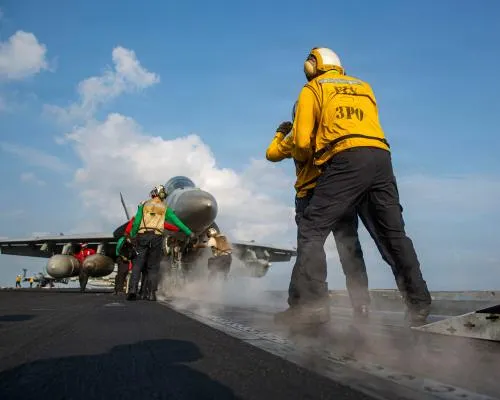 US Military Launches New Strikes in Iran as Trump Warns of Further Retaliation
The United States launches new military strikes against Iran following attacks on commercial vessels in the Strait of Hormuz. Regional leaders urge restraint as tensions rise.
-
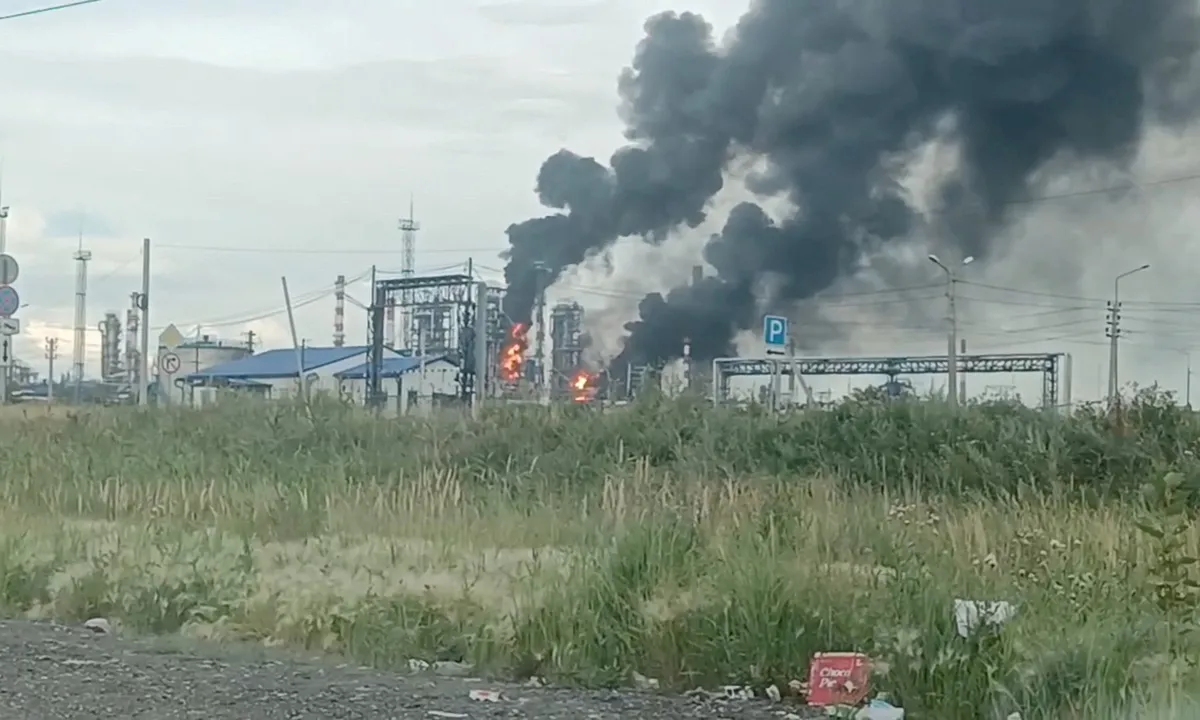 Ukraine tập kích nhà máy lọc dầu Nga qua biên giới, mở rộng chiến dịch không gian
Ukraine tiếp tục mở rộng chiến dịch tấn công trên không, sử dụng UAV tầm xa mới để tập kích mục tiêu tại Siberia và Azov.
-
 Celebrities set to headline World Cup final halftime show
Famous artists to perform at World Cup final halftime show, with millions predicted to watch.
-
 Landslide Tragedy Claims Eight Lives at Girls' School in Bangladesh
Landslide caused by heavy monsoon rains kills eight at a girls' school near the coast in Bangladesh.
-
 US Conducts Strikes Against Iranian Military Boats
US launches retaliatory strikes after attacks on oil tankers in Strait of Hormuz.
-
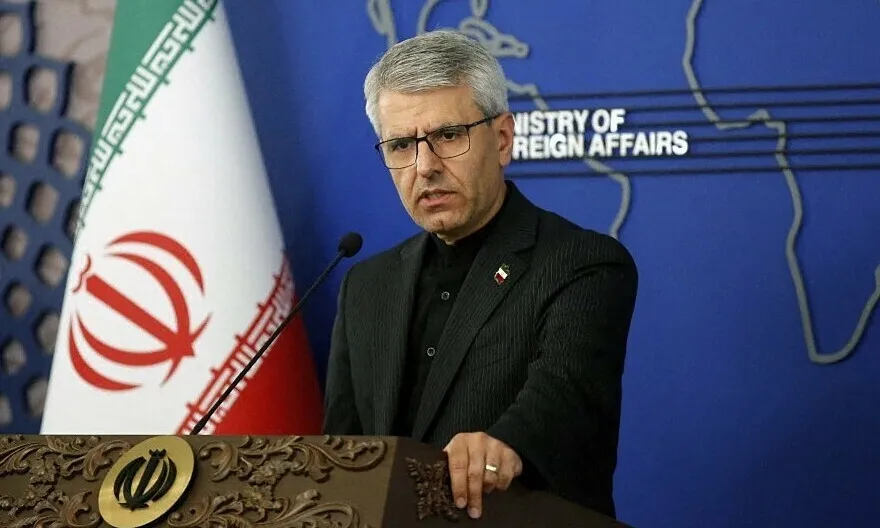 Iran cảnh báo đóng eo biển Hormuz nếu Mỹ tiếp tục gây hấn
Bài viết tổng hợp phản ứng mạnh mẽ từ phía Iran sau khi Tổng thống Trump tuyên bố lệnh ngừng bắn với nước này đã kết thúc, cho thấy các bước đi nguy hiểm có thể dẫn tới căng thẳng mới trong khu vực.
-
 UK Data Commissioner Sues Woman Who Raised Harassment Claims
UK science and technology secretary Liz Kendall criticizes former ICO chief John Edwards for suing a whistleblower who reported sexual harassment and bullying.
-
 Judge Rules for E Jean Carroll: $5.8M from Trump Escrow Released After High Court Rejection
Judge orders release of $5.8 million owed by Trump after Supreme Court denied his appeal on sexual abuse and defamation lawsuit.
-
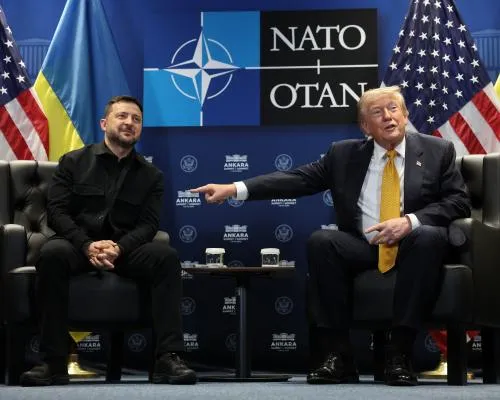 NATO Summit: Trump Praises Zelenskyy, Discusses Ukraine's Future
At the NATO summit in Ankara, US President Trump praised Ukrainian President Zelenskyy and discussed potential security guarantees and peace negotiations. Ukraine may receive permission to produce Patriot missiles locally.
-
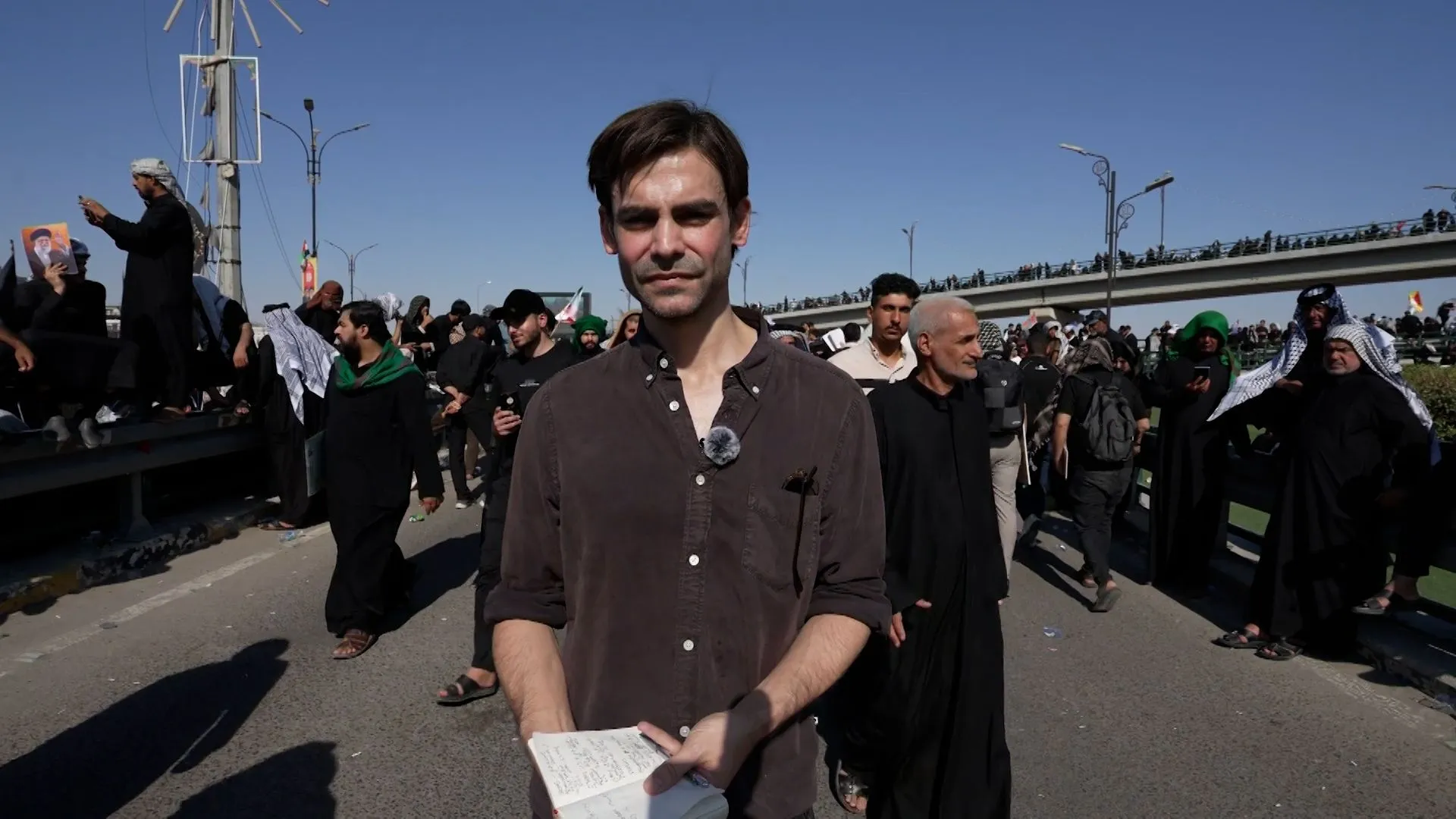 Iran's Supreme Leader's Coffin Arrives in Najaf amid Large Crowds
Thousands of people gather in Najaf to pay respects as the coffin of Iran’s former supreme leader arrives.


