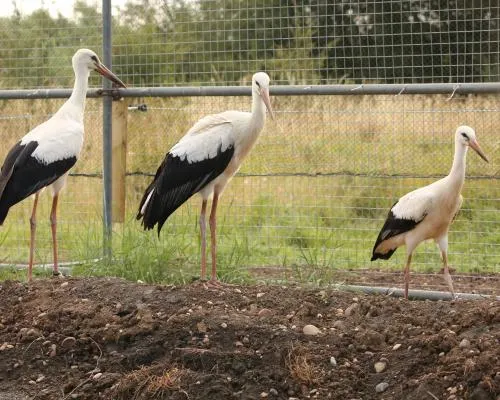
- Three juvenile white storks have arrived at Willington Wetlands, marking a significant milestone.
- Conservationists hope the birds will attract more wild storks to the area and establish a breeding population.
- The project aims to create healthier wetland habitats for storks and other wildlife.
A long orange beak poked curiously out from its wooden crate, followed by a sleek head and slender body. Then the first white stork of the morning flapped its wings and took to the air. Moments later a second emerged tentatively to stalk through the long grass, followed closely by a final sibling who stretched its wings and explored the length of the enclosure. The trio of juvenile white storks have just arrived at their new home in Willington Wetlands in Derbyshire and conservationists are hopeful that their presence will kickstart the return of the birds to the Midlands after an absence of more than 600 years. “It feels absolutely incredible,” said Katie Last, the living landscape officer for Derbyshire Wildlife Trust, who has overseen the project and manages the nature reserve. “To see white storks back at Willington feels like a real milestone. We’ve put years of work into restoring this landscape. I’m over the moon with how it all went. Our next aim is to get to the point where they’re a sustainable population and they can live outside, flying around and people can see them moving through the landscape.”
White storks disappeared across Derbyshire and the Midlands around the 14th century, largely due to habitat loss and hunting. Recent sightings of birds have increased in the region but none have yet stayed to breed. The hope is that the trio of juveniles – one male, one female and one of yet-to-be-determined sex – will act as a “magnet flock” to attract wild birds moving through the Trent Valley and encourage others to settle and lead to a healthy breeding population. “White storks seek safety in numbers,” Last explained. “So it’s been proven that white storks will settle around other white storks. We’ve got wild white storks migrating over from Africa. We’ve had white storks recorded in nearby Matlock and Ashbourne, so this is the perfect opportunity.”
Restoration and Habitat
The wetland area has undergone extensive restoration work, transforming a previous gravel pit into a thriving ecosystem with ideal foraging and nesting conditions. The project includes the release of two pairs of Scottish beavers in 2021, creating a dynamic wetland environment that supports a variety of wildlife.
Derbyshire Wildlife Trust’s efforts are part of a broader rewilding initiative to restore the area’s former glory. The first pair of beavers was released and by September, their presence had already begun to reshape the landscape, creating new channels, flooding areas with water, and altering vegetation patterns.
Goals and Aspirations
The long-term goal is to establish a self-sustaining population of white storks. The project has received funding from the Veolia Environmental Trust. “Our long-term hope is that white storks become part of the Midlands landscape once again,” said Rachel Bennett, director of wilder landscapes and wilder communities at Derbyshire Wildlife Trust.
The trio of juveniles was bred at Celtic Rewilding’s captive breeding facility in Staffordshire before being moved to their new, purpose-built enclosure. The enclosure is predator-proof, with an electric fence to defend against foxes and minks, and fine netting to keep smaller birds out and protect the storks from avian flu.
Community Engagement and Impact
The reintroduction of white storks aims to reignite people’s connection with nature. These iconic birds not only represent healthier wetlands but also serve as a symbol for a more diverse ecosystem. The storks’ return is seen as a catalyst for broader conservation efforts, encouraging landowners to collaborate and create wildlife corridors.
This has got to be the ultimate wetland that acts as a space for protection for wildlife but on a larger landscape scale,” Last added. “We want to see this reserve extending out and for the River Trent to be a wildlife corridor.” The project’s success is crucial not only for storks but also for the overall biodiversity of the area.
Source: The Guardian

Green News
296 posts
-
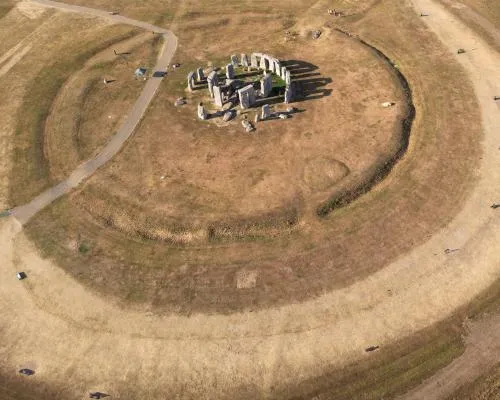 UK Menghadapi Drought dan Palu Panas Akibat Krisis Iklim yang Semakin Memburuk
Artikel ini membahas dampak buruknya dari kondisi kering yang disebabkan oleh palu panas dan kurangnya hujan di Inggris. Hal ini mengancam pertanian, satwa liar, serta bahkan menorehkan situs arkeologi lama.
-
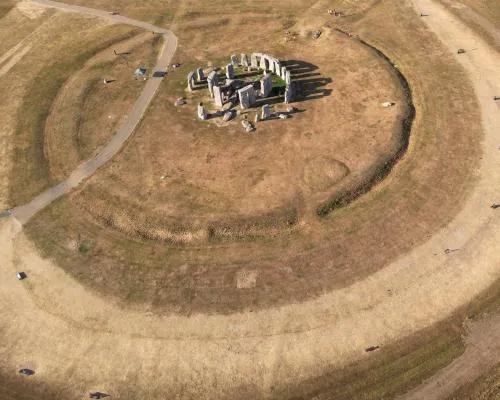 Reino Unido enfrenta sequías y oleadas de calor en el agravamiento del cambio climático
El Reino Unido se encuentra con condiciones de sequía severas debido a una combinación de oleadas de calor y falta de lluvia. Este artículo explora cómo estas condiciones están afectando la agricultura, la vida silvestre e incluso revelando sitios arqueológicos antiguos.
-
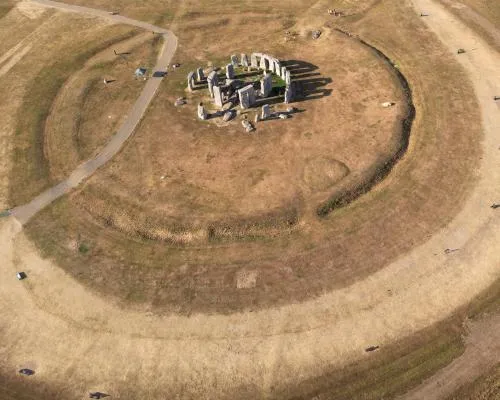 Reino Unido enfrenta secas e calor extremo no agravamento da crise climática
O Reino Unido está passando por condições severas de seca devido à combinação de ondas de calor e falta de precipitação. Este artigo explora como essas condições estão afetando a agricultura, a vida selvagem e até mesmo revelando sites arqueológicos antigos.
-
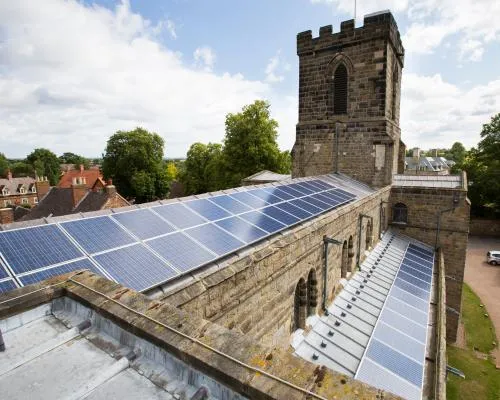 Pembagian Tenaga Surya Capai Rekor di Jaringan Listrik Inggris
 -
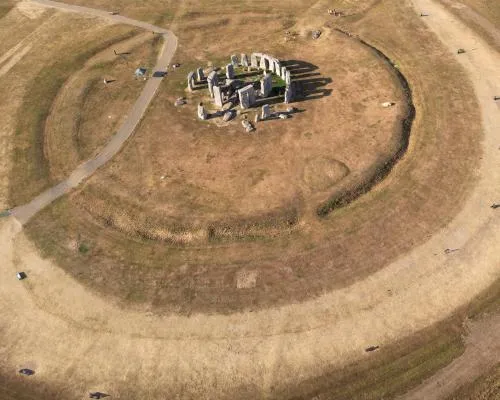 UK Endures Droughts and Heatwaves Amid Worsening Climate Crisis
The UK is facing severe drought conditions due to a combination of heatwaves and lack of rainfall. This article explores how these conditions are affecting agriculture, wildlife, and even revealing ancient archaeological sites.
-
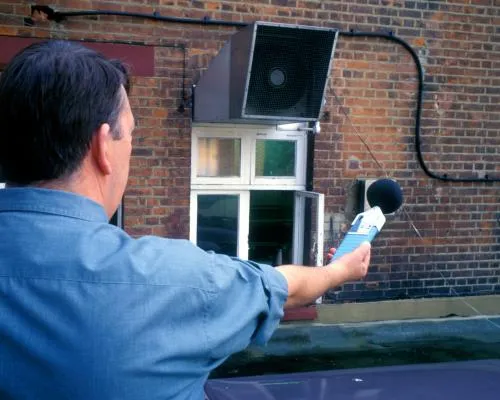 Surat: Menangani Polusi Suara di Ruang Kota
Surat pembaca membahas dampak polusi suara di kota-kota, menyoroti kendaraan yang dirubah, berlebihan stimulasi sensorik, dan potensi solusi teknologi baru.
-
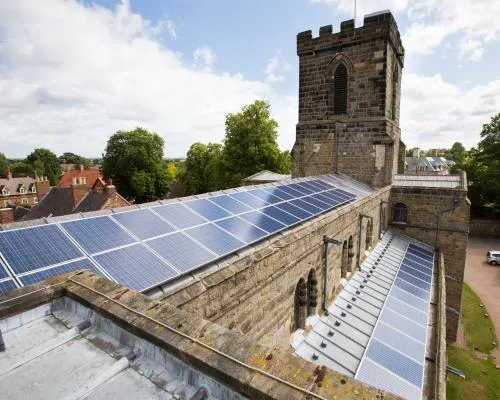 Participação Solar atinge Recorde no Sistema Elétrico Britânico
 -
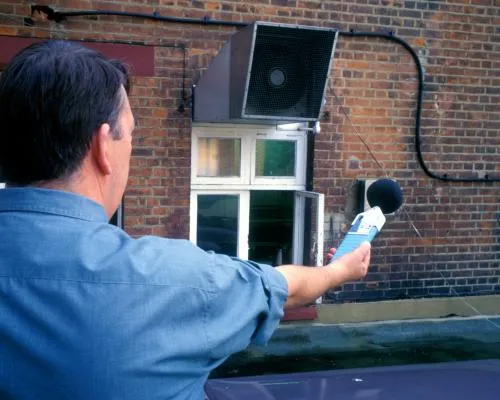 Cartas: Abordar la contaminación sonora en espacios urbanos
Leer las cartas de los lectores sobre el impacto de la contaminación sonora en áreas urbanas, con énfasis en vehículos modificados, sobrecarga sensorial y soluciones tecnológicas.
-
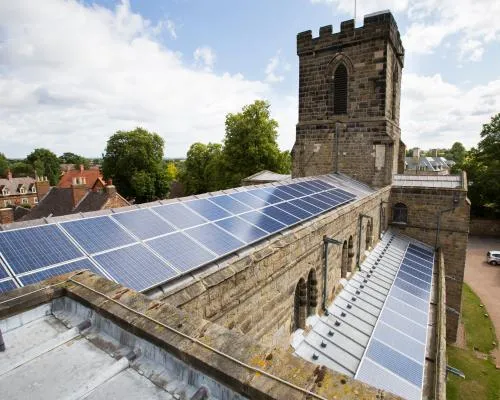 Record Solar Power Share Hits Britain’s Grid as Households Turn to Clean Energy
Solar power hit a record 14.4% share in Britain’s electricity grid in July, driven by sunny weather and a surge in new installations.
-
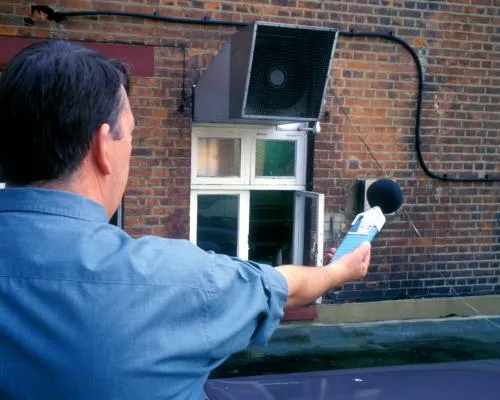 Letters: Addressing Noise Pollution Across Urban Spaces
Letters from readers discuss the impact of noise pollution in urban areas, focusing on modified vehicles, sensory overload, and potential technological solutions.
-
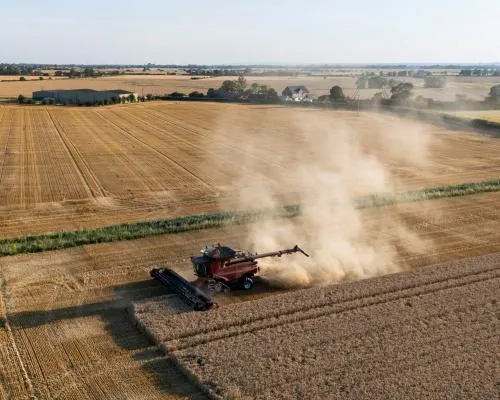 Petani Inggris Awas pada Potensi Kekurangan Makanan Akibat Drought Terus Berlangsung


