- Early morning work is recommended in extreme heat.
- Consistent hydration through small sips is crucial.
- Cooling methods like wetting clothes or applying ice towels can provide relief.
Source: The Guardian

Green News
276 posts
-
 Study Links Early Exposure to PFAS to Intestinal Inflammation in Children
A new study from Mount Sinai's Icahn School of Medicine suggests prenatal and early-life exposure to PFAS may lead to intestinal inflammation in children, highlighting the importance of understanding early life impacts on gut health.
-
 Herbicide Paraquat Withdrawn from Australian Market by Syngenta
Syngenta has decided to stop selling paraquat in Australia due to new regulations linked to health concerns, leaving local farmers uncertain about their future options.
-
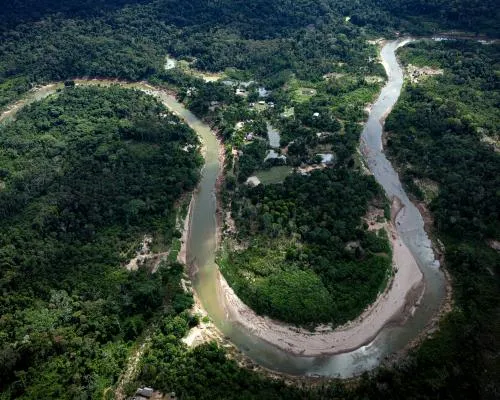 Indigenous Communities Face Growing Threat from Organized Crime in Amazon
Indigenous communities in Brazil face growing threats from organized crime groups in their efforts to protect the Amazon rainforest, with calls for government intervention and support.
-
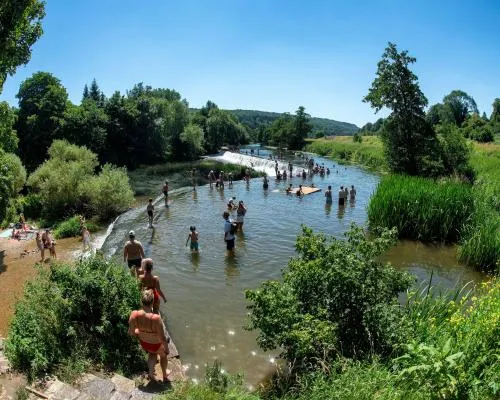 Most Riverbanks in England Lack Public Access as Extreme Heatwaves Worsen
Most riverbanks in England are off-limits to the public, affecting over 70% of catchments as access rights are lacking. Campaigners advocate for more responsible access to water and land.
-
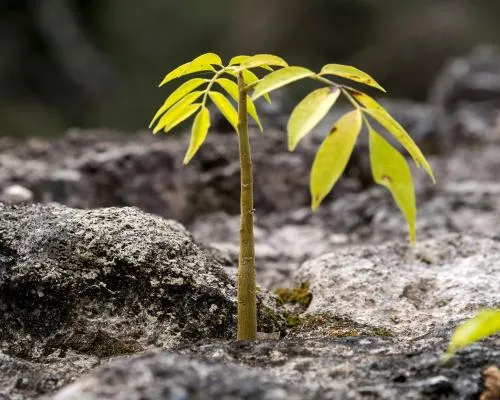 Sustainable Forestry Practices Yield Green Islands in Central America
The Maya Biosphere Reserve in Guatemala showcases how sustainable logging and community involvement can preserve forests while improving local livelihoods.
-
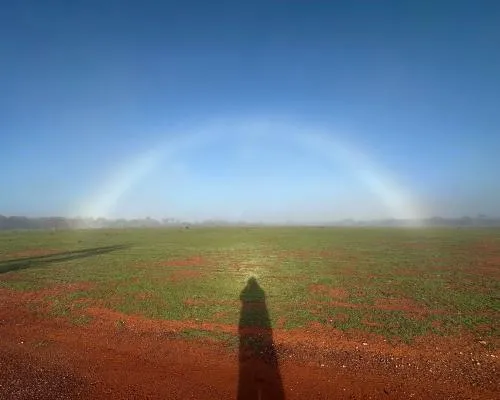 Rare Fogbows: A Meteorological Rarity in Australia
Fogbows are rare optical illusions seen in Australia during specific weather conditions. Learn about their formation and the factors required for them to appear.
-
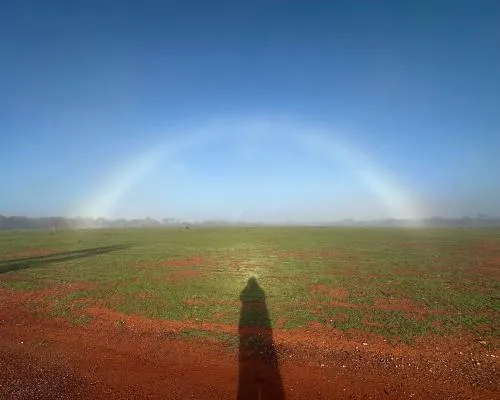 Mysterious Fogbows Emerge in Australia: A Rare Optical Illusion
Fogbows, rare atmospheric phenomena similar to rainbows but appearing in foggy conditions, have been observed in Australia. These fleeting illusions require precise alignment of sun and dense yet not too thick fog for visibility.
-
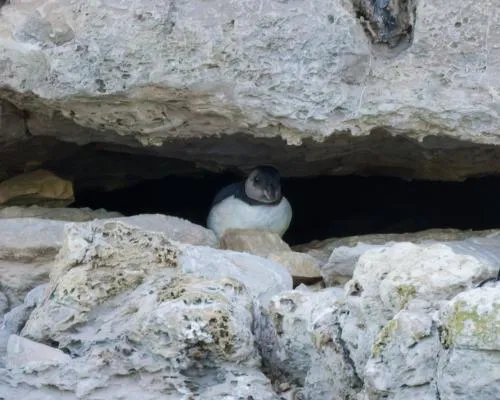 Rare Puffling Sighted After Three Decades on Dorset Coast
A rare puffling has been spotted on Dorset's coast after three decades, renewing hopes for the local puffin population.
-
 Water Leaks Outstrip Hosepipe Ban Savings in England and Wales
A new study reveals that water companies in England and Wales are losing five times more water through leaks than they could save with a hosepipe ban. Environmental campaigners warn of increasing droughts due to climate change.
-
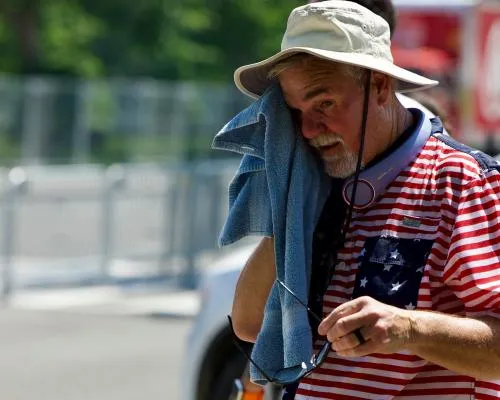 U.S. Voters Link Extreme Weather to Climate Crisis, Despite Trump’s Denials
A new survey reveals that the majority of American voters link extreme weather events, including heatwaves and floods, to the climate crisis. Despite Republican skepticism, the findings indicate growing public concern that surpasses political polarization on this issue.


