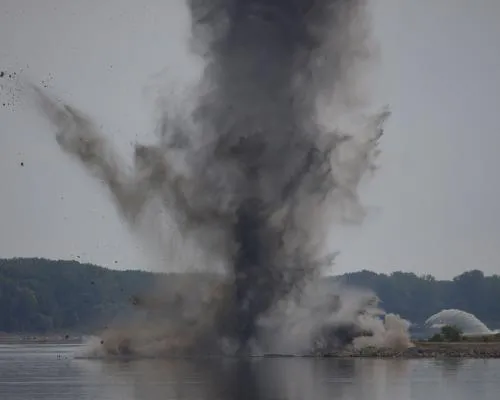
- Romania detonated explosives to clear a rock blocking water flow for cooling at the Cernavodă nuclear power plant.
- Low water levels in major European rivers are disrupting shipping, hydropower generation, and electricity production.
- Serbia’s largest hydropower plant is operating at 20% capacity due to reduced water levels, affecting nearby coal-fired plants.
- Greece reports a fatal helicopter collision during efforts to control wildfires near Athens.
Emergency Measures in Romania
In an effort to address the ongoing energy crisis, Romanian naval forces carried out a controlled operation today to remove a large rock blocking water flow to the Cernavodă nuclear power plant, ensuring better cooling conditions for the facility. Acting Defence Minister Radu Miruță hailed the operation as successful. He noted that any additional operational days at the Cernavodă plant are beneficial despite the costs associated with the removal of the rock.
Record low water levels in Europe's major rivers have curtailed the transport of goods, reduced electricity output and shrunk company earnings, stoking fears about the economic impact of searing heat and erratic rainfall. The Danube River is no longer navigable at its usual capacity, exposing sandbanks and gravel bars. This situation has also affected the cooling systems of several coal-fired power plants, including Serbia’s Kostolac plant, which had to cut output due to insufficient water flow.
Alessandro Armenia, a power analyst at commodities data and analytics firm Kpler, emphasized the widespread impact: “It’s affecting not one region like we’ve seen in the past, but the whole European landscape.” Given the current dynamics, he noted, it means either blackouts or significant investments will be necessary to address these issues. At Djerdap 1, Serbia's largest hydropower plant, output has fallen to just 20% of capacity as the once-bustling shipping channel beside it has shrunk to expose sandbanks and gravel bars.
Wildfire concerns and political discussions are also on the rise. In Greece, a helicopter collision during firefighting efforts resulted in one death. The incident occurred west of Athens on Sunday when one of the helicopters lost control in gale-force winds that have pushed flames towards settlements on the city’s western fringes. Footage from the scene showed the pilot being taken unconscious to hospital, where his death was confirmed. The fire department's director of communications, Vassilis Vathrakogiannis, reported that the dead were a Dane and a Greek. The crew member of the second helicopter was rescued.
The heatwave has spread eastward, affecting central and southern Europe with temperatures near 40°C. Hungary faced significant challenges when it had to shut down most of its nuclear power plant for the first time in 44 years due to low water levels on the Danube River. The plant’s production director, Davor Maljoković, told Reuters that output at Djerdap 1 has fallen to just 20% of capacity as the shipping channel beside it shrinks.
EU ambassadors are scheduled to meet today for intense discussions on migration issues following the recent crisis in Ceuta, Spain. Tomorrow's talks between interior ministers will further address these and related concerns. The heatwave and energy crises have added complexity to already strained diplomatic relations within the European Union as countries grapple with the dual challenges of extreme weather and high energy demand.
As temperatures continue to soar across Europe, the consequences of the ongoing heatwave are becoming more apparent. From disrupted waterways to critical infrastructure impacts, the situation requires immediate and coordinated action from both national governments and international bodies. The coming days will likely see further disruptions as the heatwave moves eastward, affecting millions more in cities like Budapest, Vienna, Rome, and Paris. The political landscape is also shifting, with discussions turning towards long-term strategies to address these unprecedented challenges.
Jakub Krupa here, bringing you live updates from across Europe.
Source: The Guardian

Guardian News World
607 posts
-
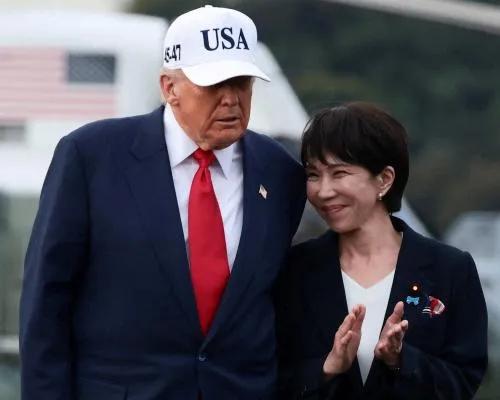 US Intervenes to Support Japanese Yen Amid Economic Concerns
The United States has intervened to support Japan's weakening yen, marking a rare cooperation that could impact global economic dynamics.
-
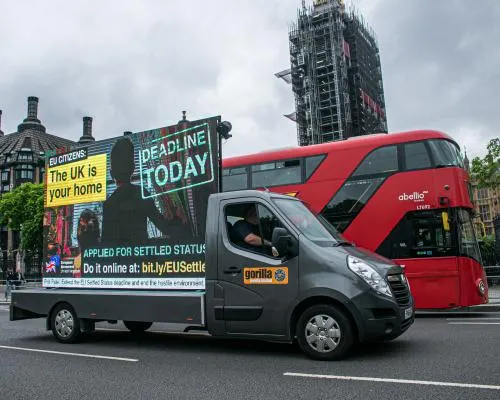 UK Home Office Letters Question EU Citizens' Residency Rights
The UK Home Office is reviewing some EU citizens' Brexit-related residency rights, potentially affecting thousands of people who have built their lives in the country.
-
 Police Failed to Arrest Suspect Before Infant’s Tragic Death
Cleveland police failed to arrest a man who had breached a non-molestation order before he sexually assaulted and killed his girlfriend's two-year-old daughter. Simpson was convicted alongside Walker for their roles in the murder, leading to life sentences.
-
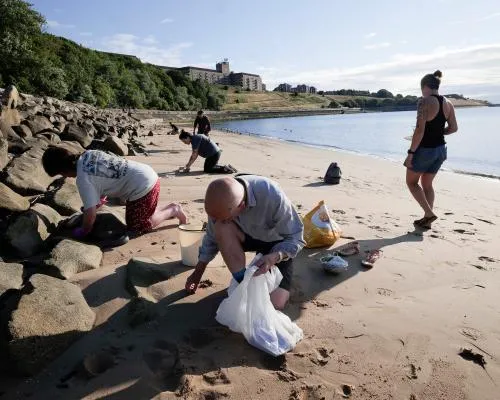 Volunteers Mobilize in North-East England to Clean Up Nurdle Spillage
A massive cleanup effort has mobilized thousands of volunteers across the north-east of England to address a spillage of plastic pellets known as nurdles, which were released into water following a ship collision.
-
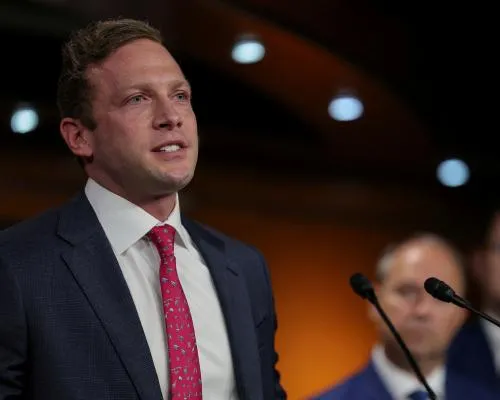 Republican Senator Calls for Congressman’s Resignation Amid Abuse Allegations
Republican Senator Bernie Moreno demands Congressman Max Miller resign amid abuse claims. Miller denies all accusations, stating no charges were filed.
-
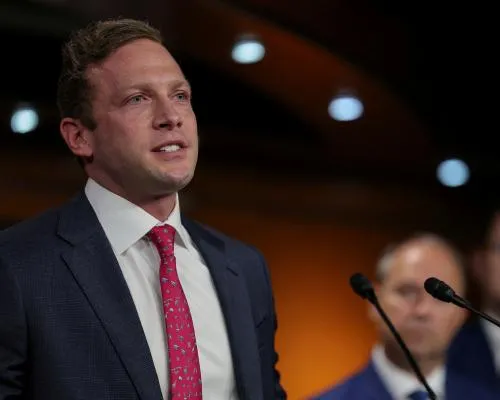 Ohio Senator Asks for Congressman’s Resignation Amid Abuse Allegations
Republican Senator Bernie Moreno calls for Congressman Max Miller's resignation amid abuse allegations, intensifying scrutiny of the Ohio’s seventh congressional district race.
-
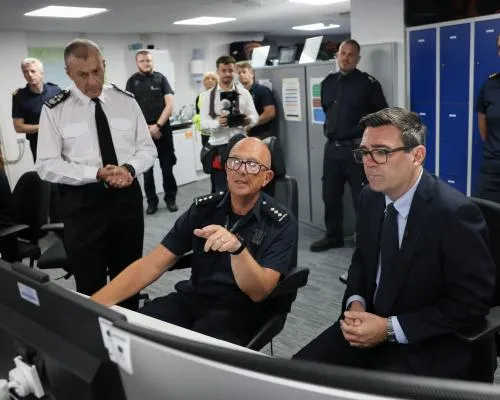 UK Prime Minister Pledges to Address Channel Crossings Amidst Migration Crisis
Prime Minister Andy Burnham pledges relentless action on small boat crossings in the Channel, while Home Secretary Shabana Mahmood calls for reform.
-
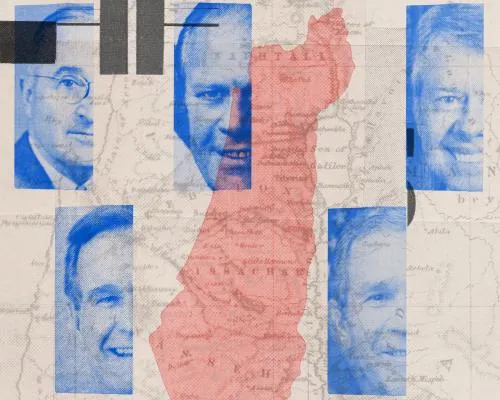 The Persistent Influence of the Israel Lobby on US Policy
This article explores how the Israel lobby has influenced US presidential decisions from Truman to Trump, often at the expense of broader national interests.
-
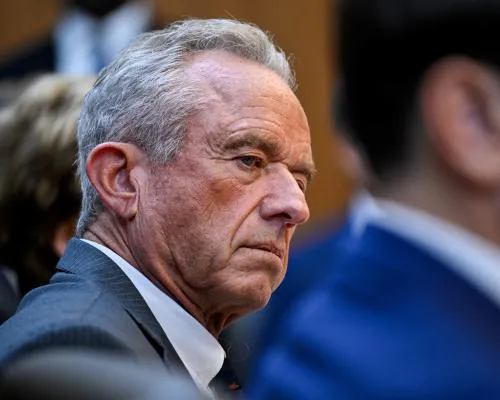 Health Secretary Kennedy Urges Parents to Vaccinate Children Amid Measles Outbreak
US Health Secretary Robert F Kennedy Jr urges parents to vaccinate their children against measles amid a significant outbreak, despite his history of vaccine skepticism.
-
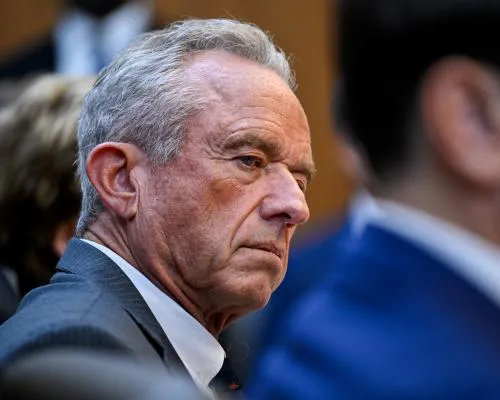 US Health Secretary RFK Jr Urges Parents to Vaccinate Children Amid Measles Outbreak
US Health Secretary RFK Jr urges parents to vaccinate their children against measles, despite his long history of promoting anti-vaccination misinformation.


