- The summer of 2026 has seen a dearth of major new series, making outdoor activities more appealing.
- Streaming services like Netflix and Amazon have struggled to produce buzzworthy content this season.
- Emmy award timelines are influencing the release calendar, leading to stronger debuts in spring and fall.
- Platforms like Apple TV+ have attempted to fill the void with a steady stream of programming.
Summer TV Slump: A Season Without Major Breakouts
In 2015, the summer season was brimming with breakout hits that made staying inside for television an attractive option. However, it appears that such is not the case in recent years.
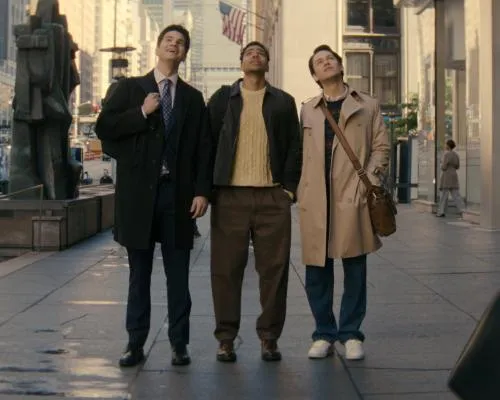
The release calendar this year has been more influenced by award seasons and schedules than what audiences desire. Shows like 'The Bear' and 'Silo', which returned for final seasons, and the BBC’s 'Two Weeks in August', offered some interest but not enough to sustain a summer of excitement.
Despite the absence of major new shows, there are a few exceptions. For instance, Netflix’s 'Elle' garnered significant attention for being a prequel to 'Legally Blonde', while Apple TV+ has maintained a steady drip-drip of programming like 'Lucky' and 'Cape Fear'. However, these may not be enough to attract viewers away from outdoor activities.
Awards Season Influence on Release Schedules
The Emmys, with their submission cut-off in May, seem to be a key factor in the timing of new releases. Many streaming services opt for summer debuts just before the awards season, knowing that viewers are still catching up from earlier releases.
This trend is causing concern among Netflix executives who see it as a challenge to produce truly conversation-starting series. Similarly, 'Apple TV+' has not met high expectations set by its predecessors.
Long-Term Trends in Summer Programming
The 2015 summer season was marked by a lack of major new shows, with only 'Alien: Earth' standing out. This suggests a broader shift away from the traditional summer release calendar.
This trend may be linked to an increased focus on Emmy awards and the desire for services like Netflix and Amazon to launch their best content before such events. The result is fewer big new shows in June, July, and August when viewers are still digesting earlier releases.
Conclusion
The summer of recent years has proven less exciting than previous years, with outdoor activities becoming a more tempting alternative to staying glued to the screen. While some platforms have attempted to fill the void, the overall trend suggests a shift towards launching major new series in spring and fall to align better with awards seasons.Source: The Guardian

Culture News
166 posts


