- The US intervened in the yen market for the first time in almost 30 years.
- Japan’s government and economy are facing significant pressures from a weak currency, including higher import costs and inflation.
- Analysts suggest that Trump's intervention may be aimed at reducing Japanese bond sales to the US.
Key Actions and Interventions
The United States has taken unprecedented action by intervening in the yen market, marking the first such move in nearly three decades. This intervention was coordinated with Japan’s government to stabilize the currency's value, which had been rapidly declining to its lowest levels in 40 years.
Reasons for Yen Decline
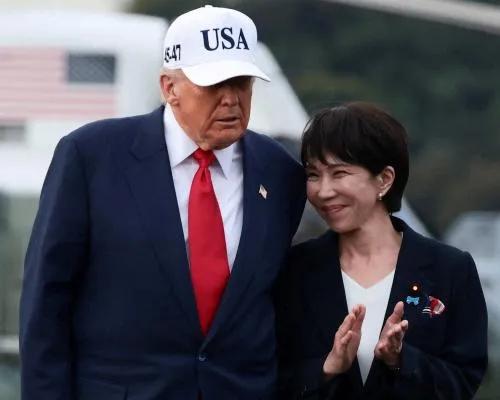
The depreciation of the yen has several underlying factors. Despite Japan's efforts since 2022 to curb the decline, the currency continues to hit new lows due to investor selling and global events such as disruptions in energy imports from the Middle East. The situation has been exacerbated by low interest rates maintained by the Bank of Japan (BOJ) and high government debt levels, which now exceed 200% of GDP—among the highest in the G20.
Trump Administration's Motivation
The move to support the yen was reportedly initiated during a cabinet meeting. US Treasury Secretary Scott Bessent noted that 'Japan’s been very good,' which likely refers to their relationship, with the exception of Pearl Harbor. This intervention aims to bolster Japan's economic stability and potentially limit the impact on the US economy by curbing Japanese bond sales. Analysts suggest that this could indirectly help the US avoid increased borrowing costs.
Impact on Japanese Policy
In response to these pressures, Japanese Prime Minister Sanae Takaichi has initiated a range of policies aimed at economic recovery and stabilization. These include temporarily cutting sales taxes on food to ease cost-of-living burdens and investing billions in various sectors of the economy. However, concerns over funding these initiatives amid high debt levels have raised fears that they could destabilize the Japanese economy.
Historical Context
This intervention by the US is reminiscent of a similar move last year when the US supported Argentina's currency to ensure the success of its economic reforms. Some analysts posit that Trump sees Sanae Takaichi as an ideological ally, similar to Argentine President Javier Milei, which could explain the timing and nature of this intervention.
In conclusion, the coordinated intervention by the US and Japan highlights the complex interplay between global economies, particularly in times of economic volatility. While the move is seen as supportive for both nations' economic goals, it also raises questions about political motivations and long-term implications for international financial relations.
Source: The Guardian

Guardian News World
606 posts
-
 UK Home Office Letters Question EU Citizens' Residency Rights
The UK Home Office is reviewing some EU citizens' Brexit-related residency rights, potentially affecting thousands of people who have built their lives in the country.
-
 Police Failed to Arrest Suspect Before Infant’s Tragic Death
Cleveland police failed to arrest a man who had breached a non-molestation order before he sexually assaulted and killed his girlfriend's two-year-old daughter. Simpson was convicted alongside Walker for their roles in the murder, leading to life sentences.
-
 Volunteers Mobilize in North-East England to Clean Up Nurdle Spillage
A massive cleanup effort has mobilized thousands of volunteers across the north-east of England to address a spillage of plastic pellets known as nurdles, which were released into water following a ship collision.
-
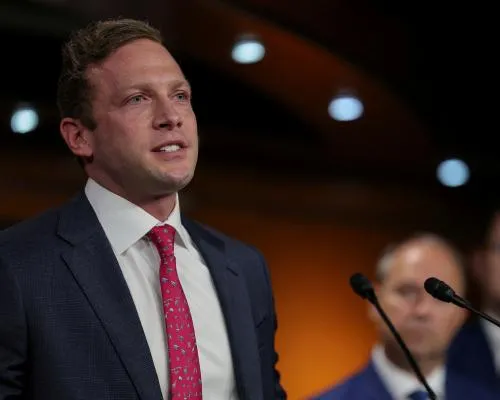 Republican Senator Calls for Congressman’s Resignation Amid Abuse Allegations
Republican Senator Bernie Moreno demands Congressman Max Miller resign amid abuse claims. Miller denies all accusations, stating no charges were filed.
-
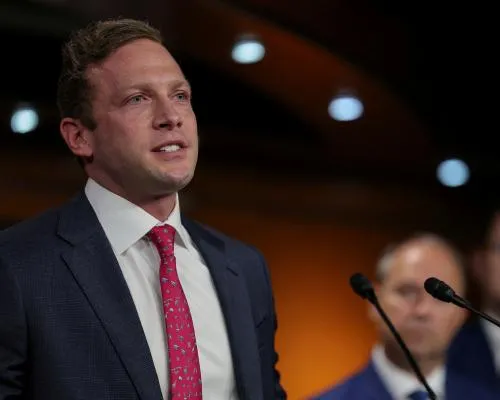 Ohio Senator Asks for Congressman’s Resignation Amid Abuse Allegations
Republican Senator Bernie Moreno calls for Congressman Max Miller's resignation amid abuse allegations, intensifying scrutiny of the Ohio’s seventh congressional district race.
-
 UK Prime Minister Pledges to Address Channel Crossings Amidst Migration Crisis
Prime Minister Andy Burnham pledges relentless action on small boat crossings in the Channel, while Home Secretary Shabana Mahmood calls for reform.
-
 The Persistent Influence of the Israel Lobby on US Policy
This article explores how the Israel lobby has influenced US presidential decisions from Truman to Trump, often at the expense of broader national interests.
-
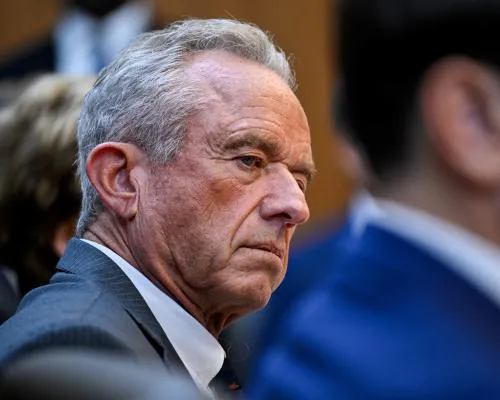 Health Secretary Kennedy Urges Parents to Vaccinate Children Amid Measles Outbreak
US Health Secretary Robert F Kennedy Jr urges parents to vaccinate their children against measles amid a significant outbreak, despite his history of vaccine skepticism.
-
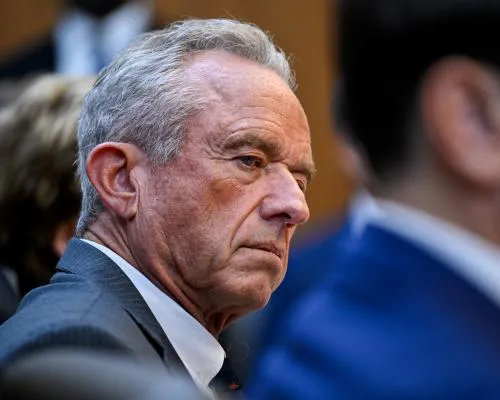 US Health Secretary RFK Jr Urges Parents to Vaccinate Children Amid Measles Outbreak
US Health Secretary RFK Jr urges parents to vaccinate their children against measles, despite his long history of promoting anti-vaccination misinformation.
-
 West African Nations Tighten Anti-LGBTQ+ Laws Amid Global Pushback
West African nations are implementing stricter anti-LGBTQ+ laws amid global pushback against LGBTQ+ rights.


