- First puffling spotted in Dorset for 30 years
- Volunteers monitor cliff ledges over 15 weeks
- Conservation efforts may reveal reasons for previous colony failures
Key Details of the Discovery
In a long-awaited breakthrough, a puffling was recently sighted on the Dorset coast in southern England, marking its first appearance there in three decades. This rare sighting has excited conservationists and volunteers who have been diligently monitoring the Purbeck coast near Swanage for over 15 weeks. The stretch of coastline is known as the last regular nesting site for puffins on the mainland of southern England.
Monitoring Efforts and Challenges
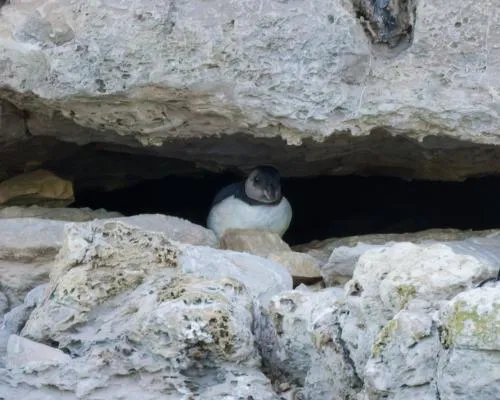
The monitoring process has been both meticulous and challenging, with volunteers spending significant time observing the rocky ledges from which puffins typically nest. In April, six adult puffins were recorded at the colony, a promising sign that breeding was taking place. Over the following weeks, volunteers observed adults bringing fish to separate nesting locations, indicating multiple pairs might be attempting to raise chicks. However, by June, most feeding activity ceased, suggesting some chicks may not have survived.
Photographing and Tracking the Puffling
The critical moment came on 7 July when a puffling was finally captured on camera. Marine ornithologist Richard Caldow from the Purbeck Natural History Forum explained that they had been tracking the parents’ feeding patterns over several weeks, knowing the puffling would likely venture out occasionally once it reached about 38 days old. Using a boat to capture the moment, volunteers managed to photograph the young bird just after 7 pm.
Future Prospects and Conservation Efforts
Richard Caldow believes the puffling may have left the nest by nightfall. He noted that once fledged, pufflings are largely on their own, and it will be at least two years before they return to breed, with their first breeding attempt likely in 2030 or later. The National Trust has been working to understand why puffin colonies have struggled in recent decades, installing motion-sensor cameras powered by solar panels to monitor activity within the nesting crevices.
Ben Cooke from the National Trust said that understanding the reasons behind chick and egg losses is crucial for developing conservation measures. Live puffin and clifftop webcams on the Farne Islands in northeast England are part of a broader effort to provide viewers with an up-close view of seabirds breeding on these islands.
The sighting of this puffling holds significant hope for the survival of puffins in Purbeck, as it indicates that the colony can still produce fertile eggs and successfully rear chicks. Continued monitoring and conservation efforts are essential to ensure their future.
Source: The Guardian

Green News
270 posts
-
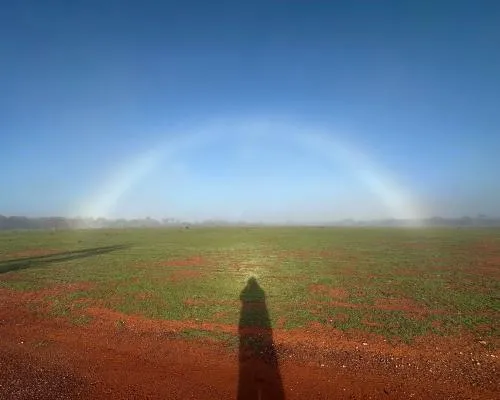 Rare Fogbows: A Meteorological Rarity in Australia
Fogbows are rare optical illusions seen in Australia during specific weather conditions. Learn about their formation and the factors required for them to appear.
-
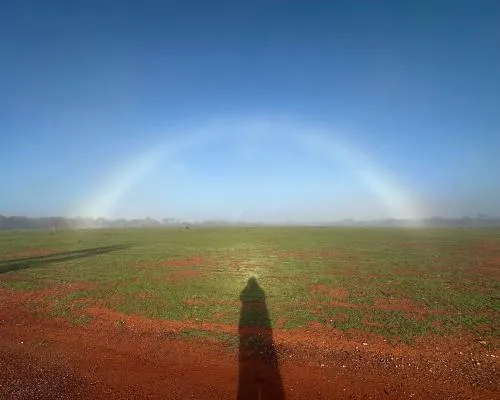 Mysterious Fogbows Emerge in Australia: A Rare Optical Illusion
Fogbows, rare atmospheric phenomena similar to rainbows but appearing in foggy conditions, have been observed in Australia. These fleeting illusions require precise alignment of sun and dense yet not too thick fog for visibility.
-
 Water Leaks Outstrip Hosepipe Ban Savings in England and Wales
A new study reveals that water companies in England and Wales are losing five times more water through leaks than they could save with a hosepipe ban. Environmental campaigners warn of increasing droughts due to climate change.
-
 U.S. Voters Link Extreme Weather to Climate Crisis, Despite Trump’s Denials
A new survey reveals that the majority of American voters link extreme weather events, including heatwaves and floods, to the climate crisis. Despite Republican skepticism, the findings indicate growing public concern that surpasses political polarization on this issue.
-
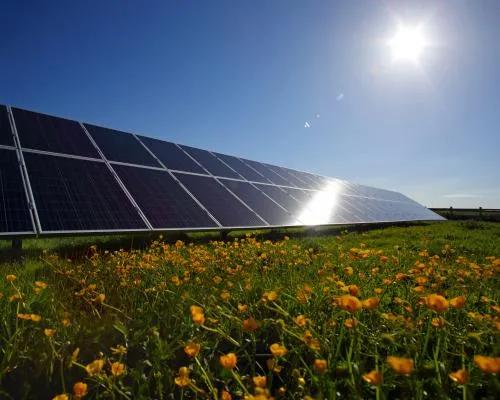 Carbon Capture as a Shield for Fossil Fuel Expansion Contested
An analysis of the arguments against using carbon capture as a shield for fossil fuel expansion, highlighting methane emissions and the superiority of renewable energy sources.
-
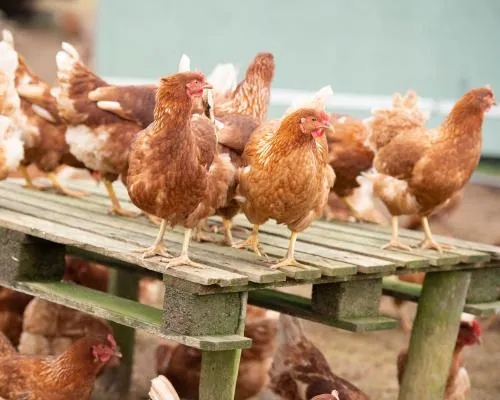 UK Poultry Expansion Plan Met with Environmental and Food Security Concerns
Campaigners argue that the UK's proposed poultry growth plan could undermine national security due to its resource-intensive nature and reliance on imported feed.
-
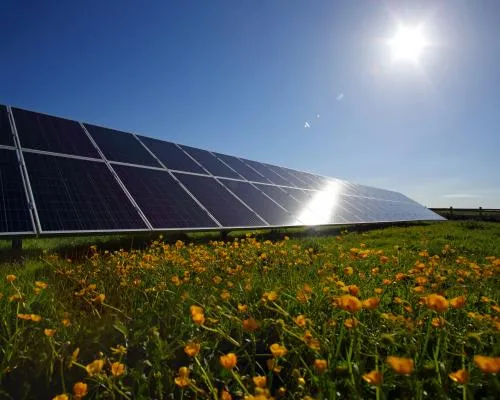 Critics Argue Carbon Capture Is a Deceptive Tool for Fossil Fuel Expansion
A letter in The Guardian discusses the high costs and limited effectiveness of carbon capture technologies compared to renewable energy sources, while critics argue these measures may merely serve as a cover for expanding fossil fuel industries.
-
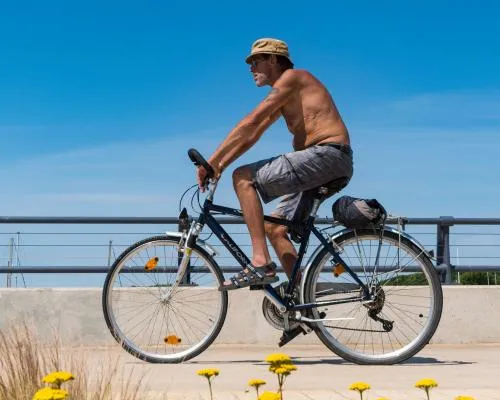 Topless Trends: The Scottish Custom of Taps Aff
Letters from readers discuss traditional Scottish practices like 'taps aff' and related debates on attire, prison conditions, and educational methods.
-
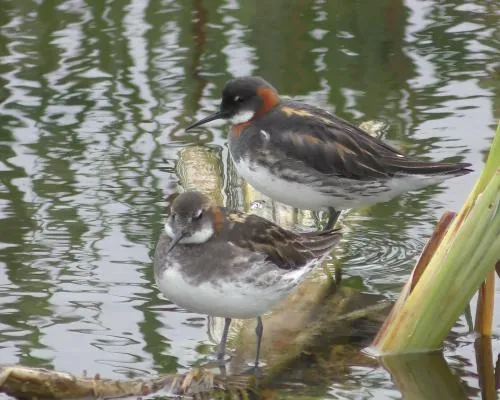 Rare Sight: Red-Necked Phalarope Returns to Irish Marsh
A rare sighting of the red-necked phalarope, last seen breeding in Annagh Marsh for over 30 years, adds wonder and significance to a magical Irish coastal habitat.
-
 Innovative Energy Storage Solutions Revolutionize Clean Power
New battery technologies like cryobatteries, molten salt storage, sand batteries, and sweat-powered wearables are transforming the way we store and use renewable energy.


