Record Solar Power Share Hits Britain’s Grid as Households Turn to Clean Energy

- Solar energy contributed 14.4% of Great Britain's electricity in July, breaking the previous record.
- The surge in solar power is attributed to long spells of sunny weather and an increase in new installations.
- Household rooftops are a significant source of this growth, with over 142,500 solar panels installed in six months.
- This development reflects households' efforts to cut energy costs amid rising fossil fuel prices.
Record Share for Solar Power
In July, solar power supplied more than any previous month to Great Britain's electricity grid, accounting for 14.4% of the total energy generated. This marked a significant leap from May’s record of 12.4%, with the share nearly doubling compared to last year when only 9.6% of generation was from solar, according to data from the National Energy System Operator (Neso).
The achievement is partly due to an unusually sunny month, where some parts of the UK recorded almost double their usual sunshine hours for that time of year. The long spells of cloudless weather helped solar to smash the previous monthly record. Additionally, official figures show that more than 142,536 new solar installations were recorded in the first half of 2026, making this period one of the busiest for solar expansions since 2011.
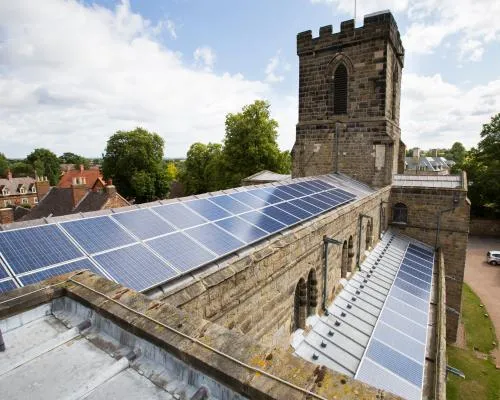
While large-scale solar farms like Cleve Hill in Kent and planned projects such as Springwell in Lincolnshire are significant, it's household rooftops that account for nearly a third of Britain’s total solar power capacity. This trend reflects growing efforts by households to reduce energy bills amid rising fossil fuel prices. The number of new installations on household rooftops has increased significantly over the years, with these smaller systems making up slightly less than a third of the country's total solar power capacity.
Factors Behind the Surge
The surge in solar energy is also driven by rising fossil fuel prices and the increasing awareness among households about generating their own low-cost electricity. In recent years, more households have fitted solar panels to their rooftops in an effort to cut down on energy bills. According to Chris Hewett, the chief executive of Solar Energy UK – a trade association – fifteen years ago, solar was merely a footnote in the electricity mix. Now it is a major player delivering homegrown, cheap, clean, and reliable energy.
Environmental and Economic Benefits
The increased solar share has played a positive role during recent heatwaves, providing a local alternative to expensive imported fuels. The typical UK home with rooftop solar panels powered over five hours of air conditioning per day during the June heatwave, highlighting its impact on reducing reliance on conventional energy sources.
Government Support and Future Outlook
The government sees the growth in solar as part of its broader strategy to increase domestic power generation. Minister Michael Shanks noted that generating more local energy reduces exposure to global price shocks, leading to greater energy security and lower bills for families.
“Alongside expanding clean power, we're cutting VAT on energy bills,” said Shanks, emphasizing the dual approach of both expanding renewable capacity and providing immediate financial relief to households. The Springwell solar farm in Lincolnshire is expected to come online by 2029, signaling a continued push for increased local power generation.
The UK is firmly in its second solar boom, joining the trend we’re seeing worldwide, as households and governments look to it as a low-cost and local alternative to oil and gas,” said Frankie Mayo, a senior analyst at Ember. The new solar additions include the largest operating project in the UK at Cleve Hill in Kent, which last summer generated 373 megawatts (MW). This project dwarfs the UK’s first solar farm, the 1.4MW Wheal Jane solar farm in Cornwall, but will soon be overtaken by the largest planned solar farm in development: the 800MW Springwell solar farm in Lincolnshire.
The government's push for expanding clean power and cutting VAT on energy bills is part of a broader strategy to increase domestic power generation and reduce exposure to global price shocks. This dual approach aims to deliver energy security, lower bills for families, and skilled jobs across the country.
Source: The Guardian
Green News
296 posts
-
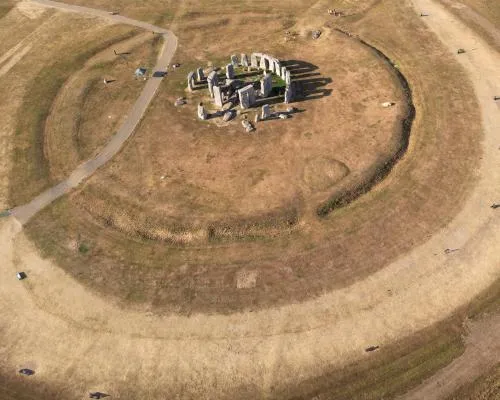 UK Endures Droughts and Heatwaves Amid Worsening Climate Crisis
The UK is facing severe drought conditions due to a combination of heatwaves and lack of rainfall. This article explores how these conditions are affecting agriculture, wildlife, and even revealing ancient archaeological sites.
-
 Letters: Addressing Noise Pollution Across Urban Spaces
Letters from readers discuss the impact of noise pollution in urban areas, focusing on modified vehicles, sensory overload, and potential technological solutions.
-
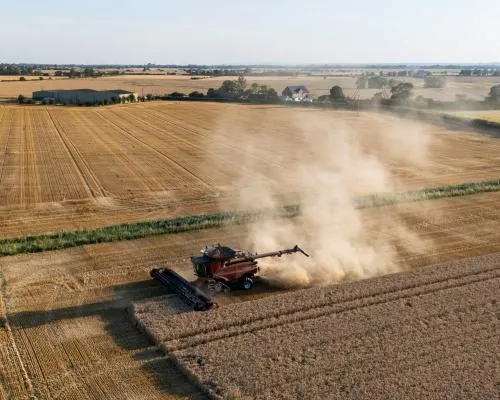 UK Farmers Warn of Potential Food Shortages Amid Persistent Drought
A prolonged drought in parts of England is raising concerns among farmers about potential food shortages. The National Farmers’ Union warns that this could be the new normal due to climate change.
-
 Protecting the Vital Role of Ponds: Reader Reactions
Readers respond to an editorial discussing the need for specific legislation to protect wildlife ponds, highlighting their temporary nature and role in supporting local species.
-
 Record-Dry Rivers in Europe Hitting Shipping, Power Plants and Unearthing Ancient Treasures
Drought and extreme heat across central and eastern Europe have caused low water levels on major rivers like the Danube and Rhine, impacting shipping and energy production while unearthing historical artifacts.
-
 Europe’s Rivers Drought: Impacts on Energy, Shipping, and Unexpected Discoveries
Drought conditions in central and eastern Europe are causing significant impacts on shipping, energy production, and local tourism. The Danube River is at record low levels, exposing historical artifacts and disrupting navigation. Energy plants in Hungary and Romania had to shut down due t
-
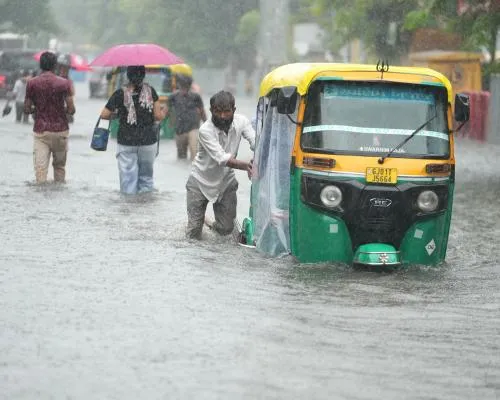 El Niño's Global Impact: UN Chief Warns of Worsening Climate Crisis
UN Secretary General António Guterres warns that a strengthened El Niño weather system, exacerbated by the ongoing climate crisis, could push global temperatures and weather patterns into uncharted territory.
-
 Wisconsin Experiences Rare Tornado and Meteotsunami; Global Weather Patterns Show Concern
Wisconsin faces rare weather phenomena as a powerful tornado and meteotsunami strike the region, while global weather systems show concerning trends of intensified tropical cyclones and prolonged heatwaves.
-
 Hummingbird Hawk-moths Surge in UK Gardens Amid Hot Weather and Strong Winds
A surge in hummingbird hawk-moth sightings across the UK is being attributed to warm weather and strong winds, leading experts to predict a promising summer for these unusual insects.
-
 A Nostalgic Journey Through Dungeon Lane
Tourists are visiting Liverpool to explore the inspiration behind Paul McCartney's new album, but the area also holds historical significance and natural beauty.


