- Chicken farms operate under permits issued by the Environment Agency.
- Manure from chicken farms is used for energy generation or as fertiliser elsewhere.
- Farmers are committed to sustainability through investments in technology and infrastructure.
Response from Industry Leaders
Industry leaders have responded to George Monbiot's article, clarifying that poultry farming operations are regulated by the Environment Agency. Richard Griffiths, Chief Executive of the British Poultry Council, explains: 'Our farms have no direct contact with soil and operate under permits issued and regulated by the Environment Agency,' providing transparency on how manure is managed on-site and its disposal when it leaves.
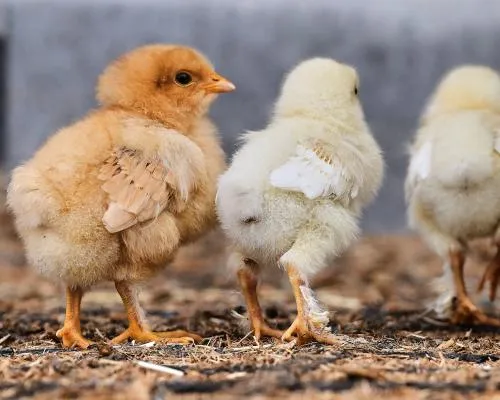
The chicken manure produced in the UK serves multiple purposes. According to Griffiths, it can be converted into energy or used as a fertiliser for other agricultural sectors. Each destination has full traceability, ensuring that the manure is transported across the country to where it is most needed.
The British poultry industry's commitment to sustainability and responsible nutrient management is evident through significant investments. Will Raw, Chair of NFU Poultry Board, highlights ongoing efforts by British poultry farmers: 'Farmers are continuing to support sustainability by investing millions of pounds into new technology and infrastructure,' which ensures that valuable nutrients in manure are used responsibly in the production process.
The key challenge, as Raw points out, is not choosing between food production and environmental protection. He believes: 'The real challenge is not choosing between food and nature, but finding practical ways to deliver both.' To support this view, he suggests that Monbiot should visit a farm to see the ongoing efforts firsthand.
The British Poultry Council has been proactive in addressing concerns about environmental impact. They point out that it may be convenient to blame sectors one does not like for problems, but such actions divert attention from addressing actual issues faced by some of our rivers. The council emphasizes the need for a balanced approach where the reality of food production is acknowledged and shown to be responsible.
The industry advocates for constructive dialogue between farmers, government, regulators, and the public on issues like planning reform. Such discussions are essential if we are to meet environmental requirements while securing domestic food security. Griffiths adds that Monbiot's dismissive approach does little to advance serious conversations needed about the challenges of producing food while protecting the environment.
Raw concludes by inviting Monbiot to visit a farm, stating: 'If Mr Monbiot wants to be part of the solution, he should come out with me and visit one of our farms, where he will see that British poultry farmers remain fully committed to playing their part.'
Source: The Guardian

Green News
296 posts
-
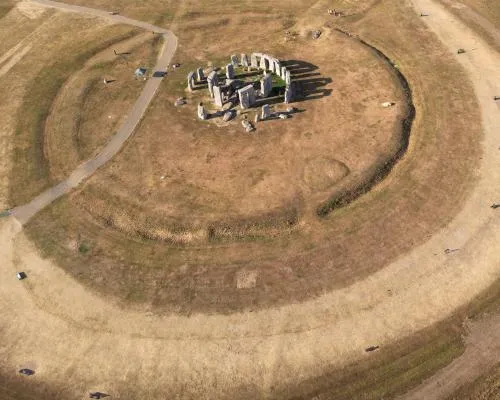 UK Menghadapi Drought dan Palu Panas Akibat Krisis Iklim yang Semakin Memburuk
Artikel ini membahas dampak buruknya dari kondisi kering yang disebabkan oleh palu panas dan kurangnya hujan di Inggris. Hal ini mengancam pertanian, satwa liar, serta bahkan menorehkan situs arkeologi lama.
-
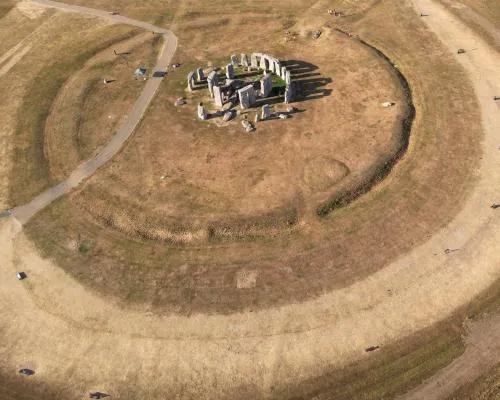 Reino Unido enfrenta sequías y oleadas de calor en el agravamiento del cambio climático
El Reino Unido se encuentra con condiciones de sequía severas debido a una combinación de oleadas de calor y falta de lluvia. Este artículo explora cómo estas condiciones están afectando la agricultura, la vida silvestre e incluso revelando sitios arqueológicos antiguos.
-
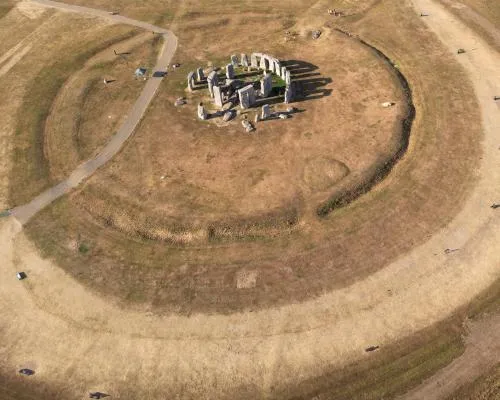 Reino Unido enfrenta secas e calor extremo no agravamento da crise climática
O Reino Unido está passando por condições severas de seca devido à combinação de ondas de calor e falta de precipitação. Este artigo explora como essas condições estão afetando a agricultura, a vida selvagem e até mesmo revelando sites arqueológicos antigos.
-
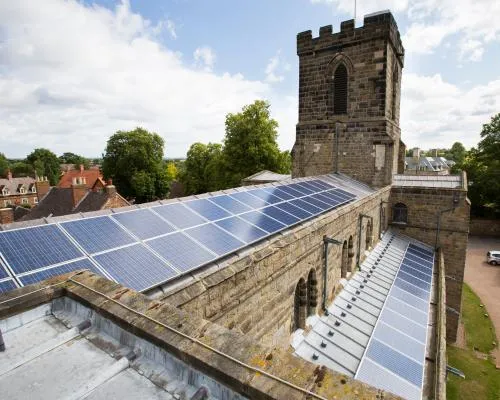 Pembagian Tenaga Surya Capai Rekor di Jaringan Listrik Inggris
 -
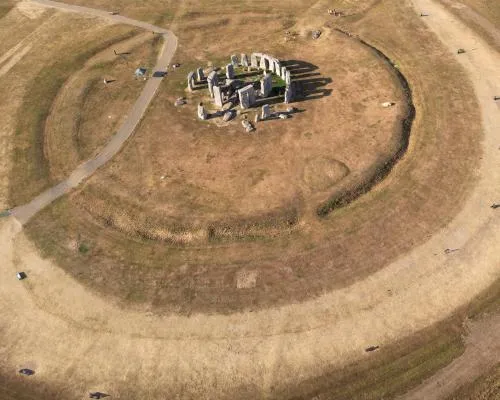 UK Endures Droughts and Heatwaves Amid Worsening Climate Crisis
The UK is facing severe drought conditions due to a combination of heatwaves and lack of rainfall. This article explores how these conditions are affecting agriculture, wildlife, and even revealing ancient archaeological sites.
-
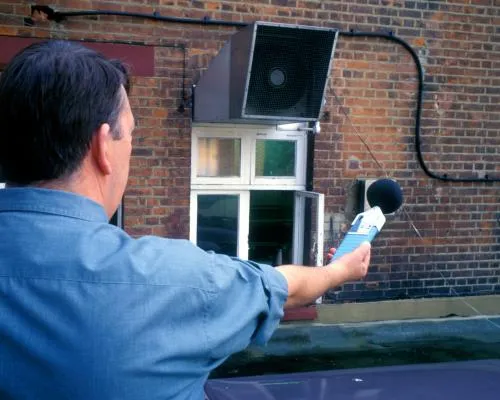 Surat: Menangani Polusi Suara di Ruang Kota
Surat pembaca membahas dampak polusi suara di kota-kota, menyoroti kendaraan yang dirubah, berlebihan stimulasi sensorik, dan potensi solusi teknologi baru.
-
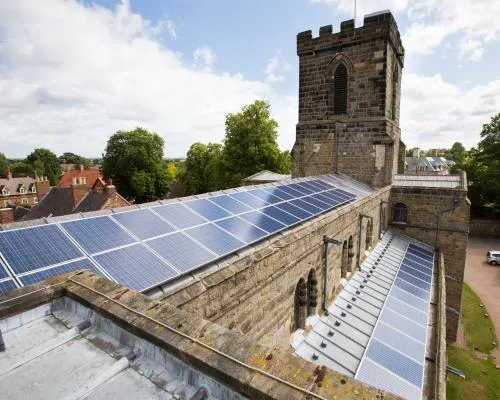 Participação Solar atinge Recorde no Sistema Elétrico Britânico
 -
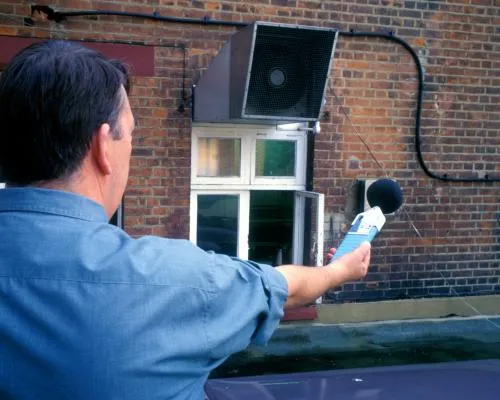 Cartas: Abordar la contaminación sonora en espacios urbanos
Leer las cartas de los lectores sobre el impacto de la contaminación sonora en áreas urbanas, con énfasis en vehículos modificados, sobrecarga sensorial y soluciones tecnológicas.
-
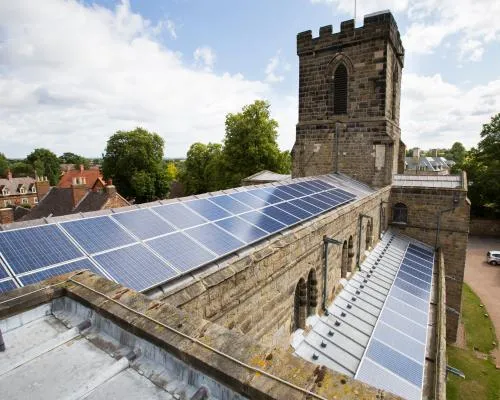 Record Solar Power Share Hits Britain’s Grid as Households Turn to Clean Energy
Solar power hit a record 14.4% share in Britain’s electricity grid in July, driven by sunny weather and a surge in new installations.
-
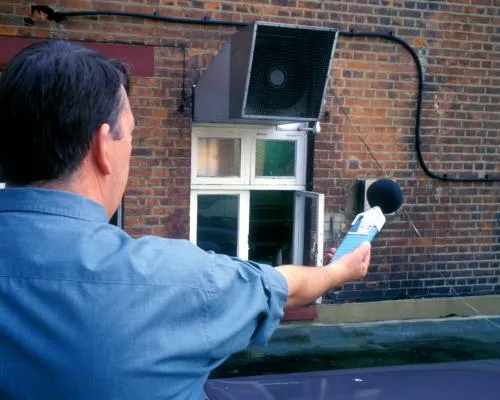 Letters: Addressing Noise Pollution Across Urban Spaces
Letters from readers discuss the impact of noise pollution in urban areas, focusing on modified vehicles, sensory overload, and potential technological solutions.
-
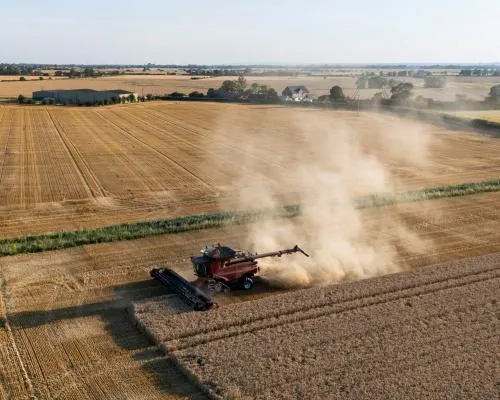 Petani Inggris Awas pada Potensi Kekurangan Makanan Akibat Drought Terus Berlangsung


