Europe's Wildfires: Weather Conditions Fuel Intense and Unpredictable Blaze Patterns

- Record-breaking heat and low rainfall have dried vegetation, making wildfires more likely.
- Fires can spread into heavier fuels, which burn hotter and for longer periods.
- Unpredictable wind patterns are complicating firefighting efforts in France and Spain.
Intense Wildfires Linked to Extreme Weather
The current wildfire situation across Europe is being driven by a combination of an unusually wet winter followed by very low rainfall since spring, along with repeated record-breaking heatwaves. This has created highly flammable conditions, making ignition and spread more probable.
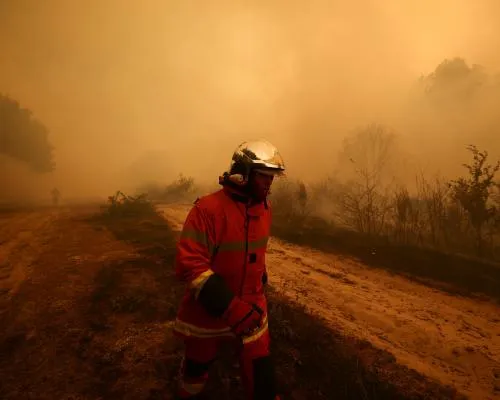
Vegetation that normally dries out quickly after short periods of heat and rain has instead remained moist due to the prolonged dry spell. As a result, fine fuels like grass, pine needles, litter, and twigs have become extremely susceptible to ignition. Moisture code values for these materials surpassed the 96th percentile this month.
Once established, fires can spread into heavier fuels including shrubs, roots and deeper litter if conditions are dry enough. These materials burn hotter and for longer, can smoulder long after flames appear to have extinguished and generate towering columns of superheated air capable of carrying embers far beyond the blaze. Heavier fuels also take much longer to dry than fine fuel, but this year’s prolonged dry spell has allowed them to reach a critical state of dryness.
Winds are adding another layer of complexity to firefighting efforts. In the case of France's largest blaze in Gironde, the wind initially pushed the fire westward before abruptly changing direction, forcing it back towards Bordeaux. Additionally, fires themselves can generate their own strong gusts, further complicating control measures.
The unpredictability of weather conditions is making firefighting efforts more challenging. Showers and thunderstorms near major fire sites in France and Spain have brought little relief. Instead, the rapid cooling effect of downdrafts from storms can fuel erratic behavior in fires.
With high pressure systems expected to delay significant rain until later this week, the threat of further large wildfires is likely to continue into August. This adds to the ongoing concerns about fire management across Europe.
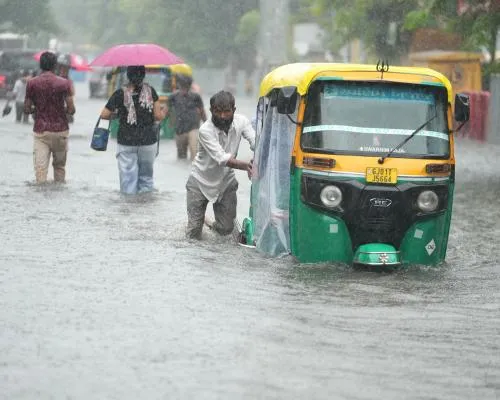
The current weather patterns are exacerbating both wildfire conditions in Europe and flooding events in Asia, highlighting the interconnectedness of climate impacts across different regions. As we move into August, the challenges for fire management remain high, while flood relief efforts will also need to be stepped up.
Source: The Guardian
Green News
296 posts
-
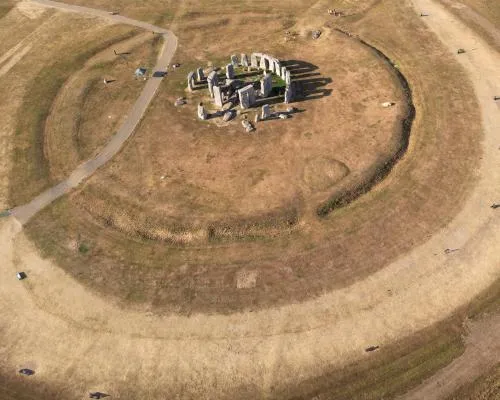 UK Endures Droughts and Heatwaves Amid Worsening Climate Crisis
The UK is facing severe drought conditions due to a combination of heatwaves and lack of rainfall. This article explores how these conditions are affecting agriculture, wildlife, and even revealing ancient archaeological sites.
-
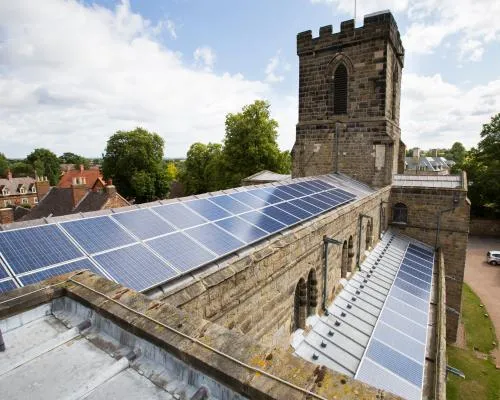 Record Solar Power Share Hits Britain’s Grid as Households Turn to Clean Energy
Solar power hit a record 14.4% share in Britain’s electricity grid in July, driven by sunny weather and a surge in new installations.
-
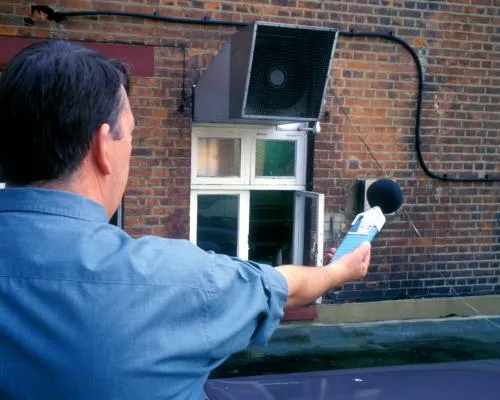 Letters: Addressing Noise Pollution Across Urban Spaces
Letters from readers discuss the impact of noise pollution in urban areas, focusing on modified vehicles, sensory overload, and potential technological solutions.
-
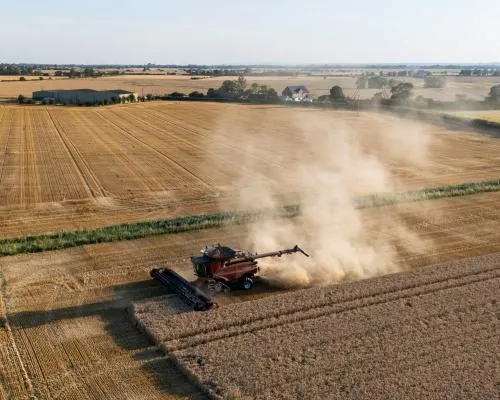 UK Farmers Warn of Potential Food Shortages Amid Persistent Drought
A prolonged drought in parts of England is raising concerns among farmers about potential food shortages. The National Farmers’ Union warns that this could be the new normal due to climate change.
-
 Protecting the Vital Role of Ponds: Reader Reactions
Readers respond to an editorial discussing the need for specific legislation to protect wildlife ponds, highlighting their temporary nature and role in supporting local species.
-
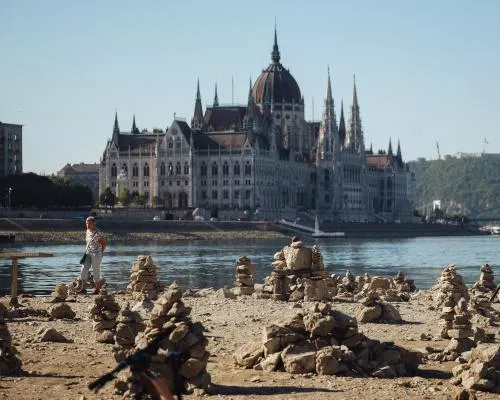 Record-Dry Rivers in Europe Hitting Shipping, Power Plants and Unearthing Ancient Treasures
Drought and extreme heat across central and eastern Europe have caused low water levels on major rivers like the Danube and Rhine, impacting shipping and energy production while unearthing historical artifacts.
-
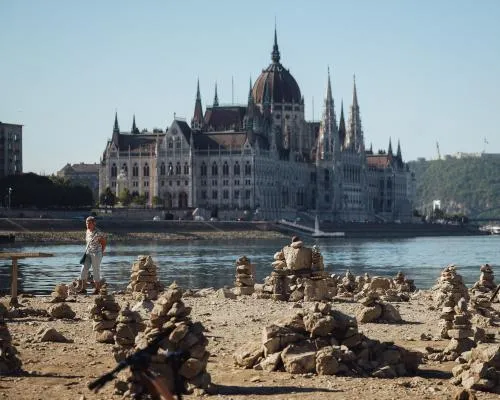 Europe’s Rivers Drought: Impacts on Energy, Shipping, and Unexpected Discoveries
Drought conditions in central and eastern Europe are causing significant impacts on shipping, energy production, and local tourism. The Danube River is at record low levels, exposing historical artifacts and disrupting navigation. Energy plants in Hungary and Romania had to shut down due t
-
 El Niño's Global Impact: UN Chief Warns of Worsening Climate Crisis
UN Secretary General António Guterres warns that a strengthened El Niño weather system, exacerbated by the ongoing climate crisis, could push global temperatures and weather patterns into uncharted territory.
-
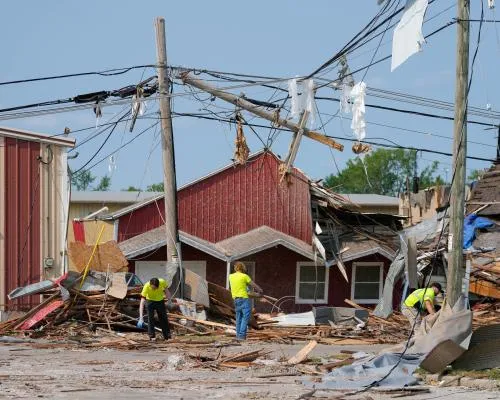 Wisconsin Experiences Rare Tornado and Meteotsunami; Global Weather Patterns Show Concern
Wisconsin faces rare weather phenomena as a powerful tornado and meteotsunami strike the region, while global weather systems show concerning trends of intensified tropical cyclones and prolonged heatwaves.
-
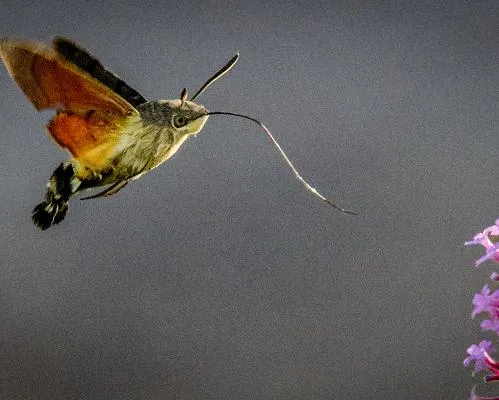 Hummingbird Hawk-moths Surge in UK Gardens Amid Hot Weather and Strong Winds
A surge in hummingbird hawk-moth sightings across the UK is being attributed to warm weather and strong winds, leading experts to predict a promising summer for these unusual insects.
-
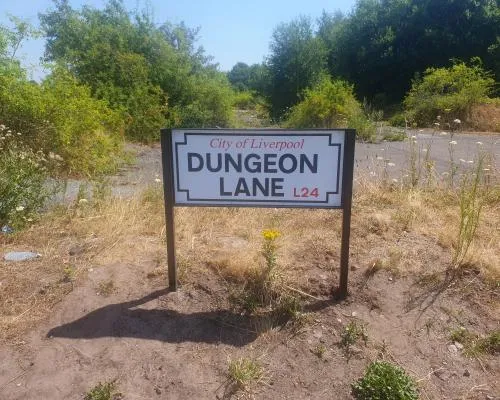 A Nostalgic Journey Through Dungeon Lane
Tourists are visiting Liverpool to explore the inspiration behind Paul McCartney's new album, but the area also holds historical significance and natural beauty.


