- Artificially generated images, audio, and text must be labeled as such starting August 2nd.
- The labeling requirement aims to protect democracy by making transparent AI-generated content.
- Companies may face fines up to €15 million for non-compliance.
Background to the Story
The European Union has introduced new rules requiring companies to label any artificially generated images, audio, and text that are designed to look authentic. This move follows a series of incidents involving fake content intended to mislead the public.
Details of the New Regulations
Starting from August 2nd, EU companies must ensure that users are aware when they are interacting with AI-generated content. According to MEP Sergey Lagodinsky, who helped negotiate the AI Act, this is crucial for both protecting democracy and maintaining the authenticity of facts online.

The rules mandate a visible label on synthetic text, images, video, and audio designed to appear truthful. Additionally, texts on matters of public interest must be marked as AI-generated if there is no human editorial oversight. Companies are encouraged but not required to label AI-generated content that predates the new regulations.
Industry Reactions
The tech industry supports making deepfakes visible, yet some companies express concerns about overly broad interpretations of the rules and potential user overload from labeling banners. Boniface de Champris, AI policy lead at the Computer and Communications Industry Association (CCIA), argues that the expanded definition in EU guidelines could mislabel everyday content as deceptive.
He points out that the most significant change for users will likely be outside sectors typically associated with AI. For instance, a landscape used in advertising or film may now need to be labeled despite not being a deepfake per se. This could add significant burden on businesses and consumers alike.
Implementation and Compliance
Multinational tech giants like TikTok and Google have already implemented labeling policies. TikTok requires creators to label realistic AI-generated content, while Google launched SynthID, a tool for identifying AI-generated images with invisible digital watermarks. Both companies are also part of the voluntary code of practice aimed at helping businesses comply with EU transparency rules.
Conclusion
The new labeling requirements represent an important step in combating misinformation and preserving democratic integrity online. While there may be challenges in implementation, the broader goal is to ensure users can distinguish between genuine and AI-generated content effectively. As the technology evolves, ongoing cooperation between regulators and industry will be crucial.
Source: The Guardian

Technology News Feed
177 posts
-
 Atlassian Introduces AI Wallets Amid Tech Sector Cost Controversy
Atlassian has introduced monthly spending limits for its staff’s use of artificial intelligence tools, while other tech firms encourage unlimited usage. A survey shows concerns over high AI costs leading to reduced deployments.
-
 A Tech-Free Renaissance: How Digital Detox Initiatives Are Reshaping Everyday Life
Tech-free events are becoming increasingly popular as individuals seek to break away from constant screen time.
-
 Australian Booksellers Express Concerns Over Rare Titles Destruction for AI Training
Australian secondhand book sellers express worry over rare titles being destroyed for AI training by companies like Zoom Books, leading to unusual orders and ethical concerns.
-
 Global AI Market Shaken as China Challenges Western Dominance
A sudden surge in Chinese chip production and technological advancements have caused ripples in the global AI market, raising questions about the future dominance of key players like Nvidia.
-
 China's Technological Advances Stir Market Concerns and Policy Debate
China’s rapid advancements in AI, chip manufacturing, and robotics are causing significant disruptions in the US tech industry and prompting internal divisions over how to respond.
-
 UK Authorities Seize Evidence in Crackdown on Spam Text Messages
The UK's Information Commissioner's Office (ICO) has seized evidence from five companies in multiple cities as part of a crackdown on spam text messages related to car finance mis-selling scandals. Over 12 million complaints have been filed since September 2025.
-
 Tech Giants Apple and Amazon Post Solid Q2 Earnings, Amid AI Spending Concerns
Apple and Amazon reported strong second quarter earnings, with both companies exceeding Wall Street expectations. The tech industry faces growing concerns over AI spending, affecting investor sentiment and market performance.
-
 Cyber-Attack Steals Sensitive Data from UK Government and Police Databases
Over 740,000 pieces of sensitive information were stolen from government and police databases in a cyber-attack by an unknown hacking group called ExfilSquad.
-
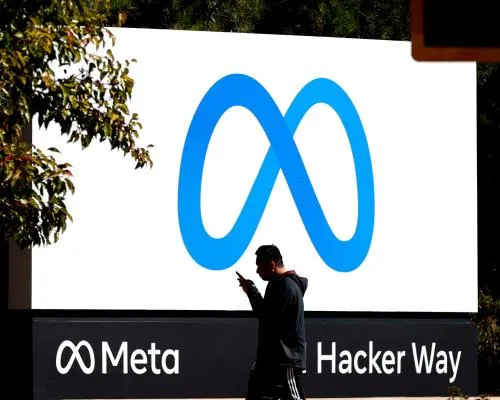 Meta's Earnings Disappointment Amid AI Optimism Campaign
Meta's AI optimism campaign by CEO Mark Zuckerberg failed to mitigate the negative reaction from investors following weaker-than-expected earnings and a significant stock drop.
-
 German Study Links Excessive Online Activity to Stress and Negative Mood
A German study links excessive online activity to increased stress and negative mood, emphasizing the role of temptation in internet usage.


