- A stronger El Niño weather system is developing, pushing global temperatures higher and affecting rainfall patterns worldwide.
- The UN secretary general warns that this year’s El Niño could be unprecedented due to the climate crisis, with heightened risks of heatwaves, wildfires, and droughts.
- Indian farmers face a potential weakened monsoon season, which would increase the risk of severe weather events around the Indian Ocean basin.
- Governments are urged to prepare for the impacts of this El Niño by acting now to prevent future hazards.
Current Climate Forecast and El Niño Development
The World Meteorological Organization (WMO) has issued a warning that an intensified El Niño weather system is developing, which could significantly alter global temperature and rainfall patterns. The WMO's latest forecast indicates higher-than-normal temperatures are likely to prevail from August to October. Marine heatwaves have already been observed this year, with sea surface temperatures in the Pacific reaching unprecedented levels for early in an El Niño event.António Guterres, UN Secretary General, emphasized during a press conference that this El Niño could be 'unprecedented' due to the ongoing climate crisis. He stated, ‘The Pacific waters driving it have never been this warm this early in an El Niño, and temperatures are still increasing.’Risks of Weakened Monsoon Season for IndiaThe forecast also highlights a heightened risk of a weakened monsoon season in India. This could result in increased droughts, floods, and wildfire risks across the region. The WMO's data suggests an 'enhancement in the probability for below-normal rainfall,' which would have significant implications for Indian farmers who rely on this seasonal downpour.Impacts Across the GlobeThe forecast projects drier conditions in parts of equatorial Africa, Australia, South America, and North America. In contrast, higher-than-normal rainfall is expected in regions such as southern Europe, central Asia, and the Horn of Africa. These changes are part of a broader pattern of extreme weather events that have already caused significant disruptions this year, including record-breaking heatwaves and wildfires.Celeste Saulo, secretary general of the WMO, stressed the importance of preparedness: ‘El Niño is one of the most closely monitored climate phenomena in the world. But forecasts in themselves do not prevent hazards; people do.’Call to Action for Governments and CommunitiesGovernments are urged to take immediate action to mitigate the risks posed by this El Niño event. Guterres warned, 'Heat is claiming lives on a growing scale, day after day, in every region of the world. It is also putting an enormous share of the global workforce at risk, exposing billions of people to dangers and often life-threatening conditions.' He specifically highlighted the need for action against fossil fuels: 'Fossil fuels are fanning the flames of this crisis. Expansion must stop.'The UN Secretary General's call underscores the urgent need for proactive measures by governments and communities to address the escalating climate challenges.Source: The Guardian

Green News
296 posts
-
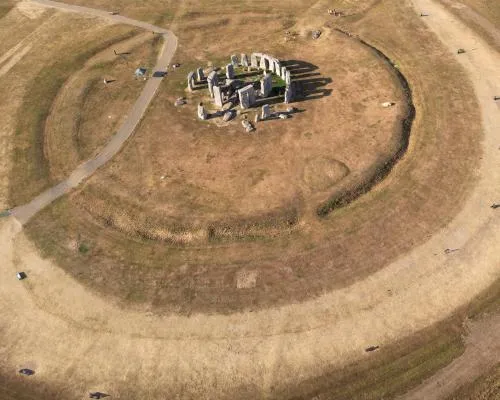 UK Endures Droughts and Heatwaves Amid Worsening Climate Crisis
The UK is facing severe drought conditions due to a combination of heatwaves and lack of rainfall. This article explores how these conditions are affecting agriculture, wildlife, and even revealing ancient archaeological sites.
-
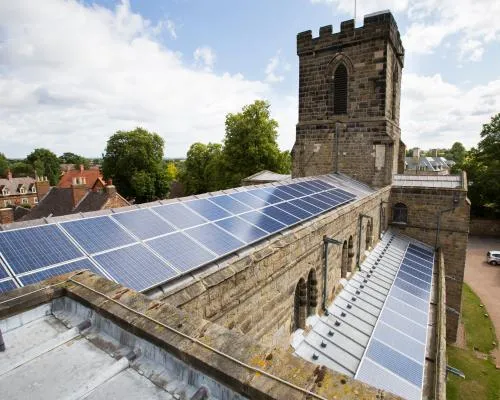 Record Solar Power Share Hits Britain’s Grid as Households Turn to Clean Energy
Solar power hit a record 14.4% share in Britain’s electricity grid in July, driven by sunny weather and a surge in new installations.
-
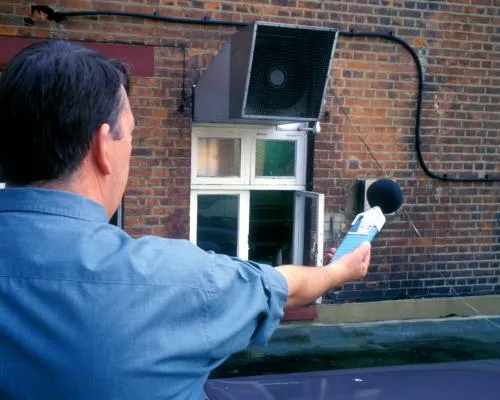 Letters: Addressing Noise Pollution Across Urban Spaces
Letters from readers discuss the impact of noise pollution in urban areas, focusing on modified vehicles, sensory overload, and potential technological solutions.
-
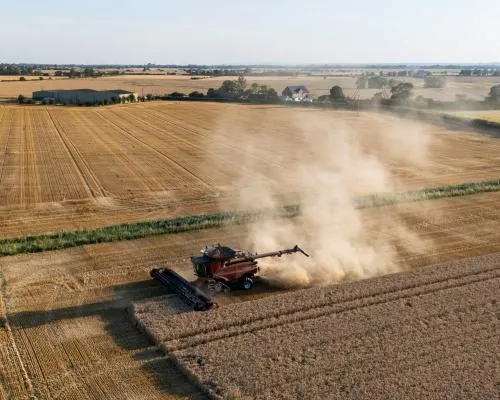 UK Farmers Warn of Potential Food Shortages Amid Persistent Drought
A prolonged drought in parts of England is raising concerns among farmers about potential food shortages. The National Farmers’ Union warns that this could be the new normal due to climate change.
-
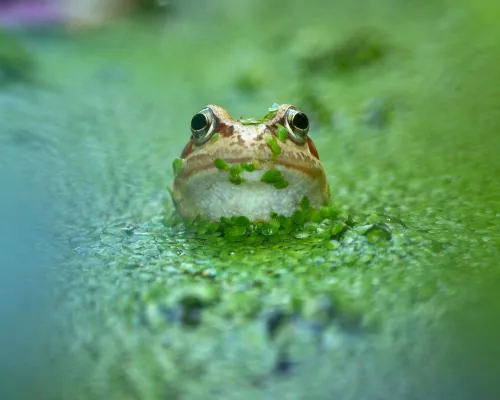 Protecting the Vital Role of Ponds: Reader Reactions
Readers respond to an editorial discussing the need for specific legislation to protect wildlife ponds, highlighting their temporary nature and role in supporting local species.
-
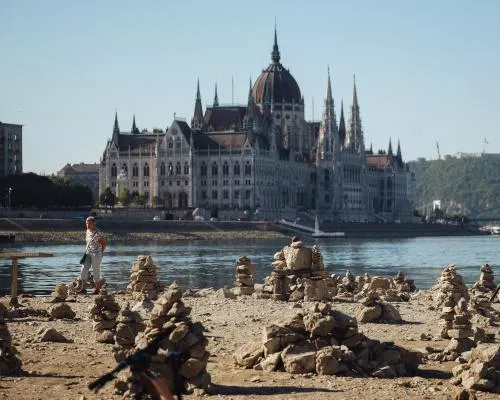 Record-Dry Rivers in Europe Hitting Shipping, Power Plants and Unearthing Ancient Treasures
Drought and extreme heat across central and eastern Europe have caused low water levels on major rivers like the Danube and Rhine, impacting shipping and energy production while unearthing historical artifacts.
-
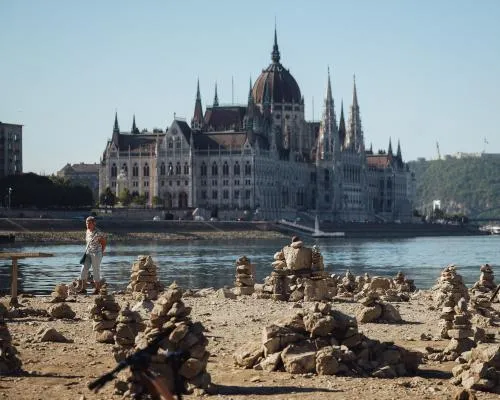 Europe’s Rivers Drought: Impacts on Energy, Shipping, and Unexpected Discoveries
Drought conditions in central and eastern Europe are causing significant impacts on shipping, energy production, and local tourism. The Danube River is at record low levels, exposing historical artifacts and disrupting navigation. Energy plants in Hungary and Romania had to shut down due t
-
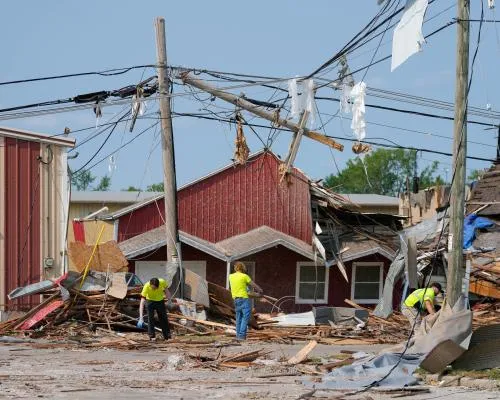 Wisconsin Experiences Rare Tornado and Meteotsunami; Global Weather Patterns Show Concern
Wisconsin faces rare weather phenomena as a powerful tornado and meteotsunami strike the region, while global weather systems show concerning trends of intensified tropical cyclones and prolonged heatwaves.
-
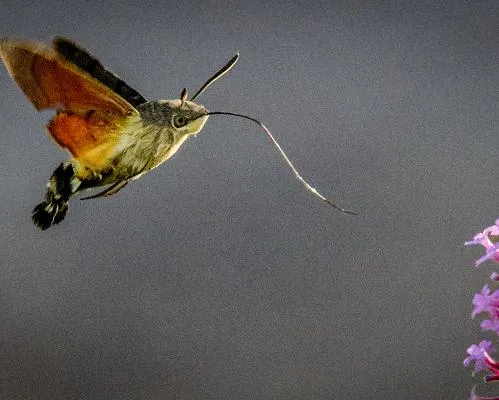 Hummingbird Hawk-moths Surge in UK Gardens Amid Hot Weather and Strong Winds
A surge in hummingbird hawk-moth sightings across the UK is being attributed to warm weather and strong winds, leading experts to predict a promising summer for these unusual insects.
-
 A Nostalgic Journey Through Dungeon Lane
Tourists are visiting Liverpool to explore the inspiration behind Paul McCartney's new album, but the area also holds historical significance and natural beauty.


