- John Smith dedicated his life to preserving the historical beauty of Stamford, Lincolnshire.
- He played a crucial role in making Northfields a conservation area in 2004.
- Smith discovered and documented a fragment of the Stamford Eleanor Cross, a significant piece of history.
Contributions to Architectural Preservation
John Smith, an architectural historian and specialist in church conservation, played a major role in preserving the beauty of the ancient town of Stamford in Lincolnshire. He served on Stamford Civic Society’s executive committee for more than half a century and led the campaign for the town's attractive Northfields area to become a conservation area, which it did in 2004.
The source text does not specify the year he was appointed curator of Stamford Museum, but from 1970 to 1974, John worked for the Church of England’s Council for the Care of Churches in London as a conservationist. A job that led to his admission to the Society of Antiquaries at age 34.

In 1993, he discovered the sole surviving piece of the Stamford Eleanor Cross. Of the 12 such monuments erected in the 1290s by Edward I in memory of his wife, three still stand today, but the Stamford fragment is the only survival from any of the monuments' upper shafts. Without his encyclopaedic knowledge and powers of identification, the stone might never have been recognised when it came to light, and could have been lost for ever.
The fragment was found in William Stukeley's garden, an 18th-century antiquarian whom John wrote extensively about. Stukeley’s connection to the area added historical depth to Smith’s work, making his discovery even more significant. The stone is now on display at Stamford Library, serving as a testament to both the skill of its discoverer and the historical significance of the cross itself.
Professional Background
John Smith was born in Bristol to Thomas, a cooper, and Lilian (nee Foster), a housewife. He obtained his degree in history and education from the University of York before working for the Church of England’s Council for the Care of Churches as a conservationist.
In 1978, he was appointed curator of Stamford Museum by Lincolnshire County Council. John served full-time at the museum until his retirement in 1997. During this time, he contributed to numerous publications and worked on several national church committees. His reports were valued for their practical insights, and he served as the driving force behind conserving the Stamford Mercury Archive, which holds copies of that local newspaper from as early as 1714. For his work on that project, John was awarded a British Empire Medal in recognition of his efforts.
Additional Roles and Achievements
Apart from his full-time work in Stamford, John served on the Peterborough Cathedral fabric committee, the Lincoln diocesan advisory committee, and several national church committees. His involvement extended beyond local efforts to a national level, reflecting the breadth of his expertise and dedication.
Legacy
John Smith's dedication to historical preservation left an indelible mark on Stamford’s community. His work in founding the Stamford Mercury Archive project also earned him a British Empire Medal. He passed away at the age of 86, leaving behind his wife Dianne Howe and their children Sophie and [omitted name for privacy].
His legacy continues to inspire future generations with his commitment to history and architectural conservation. His work ensures that Stamford’s rich heritage remains accessible for all to appreciate and learn from, ensuring that the town's cultural treasures are preserved for years to come.
Source: The Guardian

Green News
296 posts
-
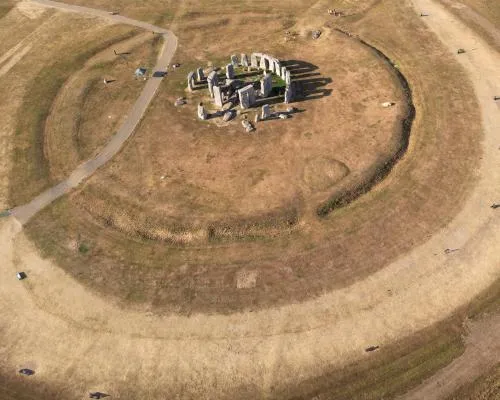 UK Endures Droughts and Heatwaves Amid Worsening Climate Crisis
The UK is facing severe drought conditions due to a combination of heatwaves and lack of rainfall. This article explores how these conditions are affecting agriculture, wildlife, and even revealing ancient archaeological sites.
-
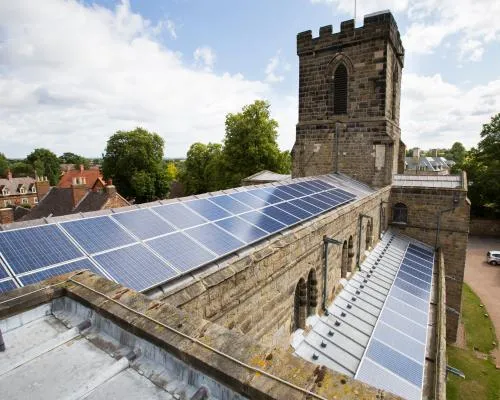 Record Solar Power Share Hits Britain’s Grid as Households Turn to Clean Energy
Solar power hit a record 14.4% share in Britain’s electricity grid in July, driven by sunny weather and a surge in new installations.
-
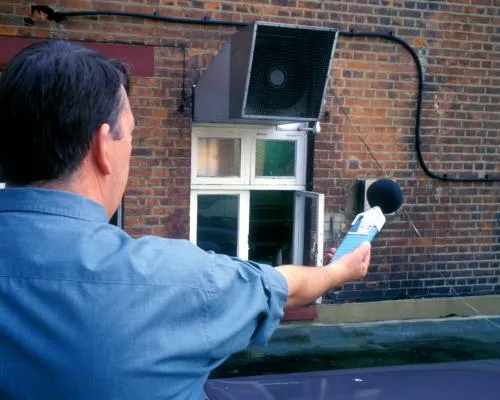 Letters: Addressing Noise Pollution Across Urban Spaces
Letters from readers discuss the impact of noise pollution in urban areas, focusing on modified vehicles, sensory overload, and potential technological solutions.
-
 UK Farmers Warn of Potential Food Shortages Amid Persistent Drought
A prolonged drought in parts of England is raising concerns among farmers about potential food shortages. The National Farmers’ Union warns that this could be the new normal due to climate change.
-
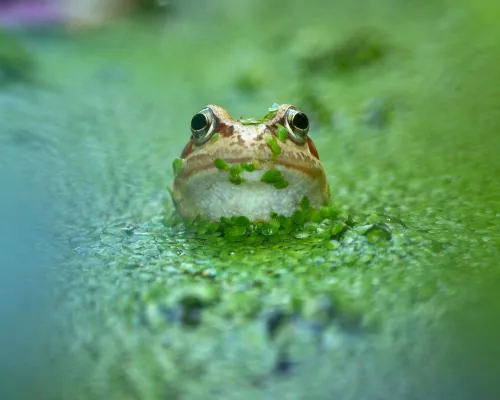 Protecting the Vital Role of Ponds: Reader Reactions
Readers respond to an editorial discussing the need for specific legislation to protect wildlife ponds, highlighting their temporary nature and role in supporting local species.
-
 Record-Dry Rivers in Europe Hitting Shipping, Power Plants and Unearthing Ancient Treasures
Drought and extreme heat across central and eastern Europe have caused low water levels on major rivers like the Danube and Rhine, impacting shipping and energy production while unearthing historical artifacts.
-
 Europe’s Rivers Drought: Impacts on Energy, Shipping, and Unexpected Discoveries
Drought conditions in central and eastern Europe are causing significant impacts on shipping, energy production, and local tourism. The Danube River is at record low levels, exposing historical artifacts and disrupting navigation. Energy plants in Hungary and Romania had to shut down due t
-
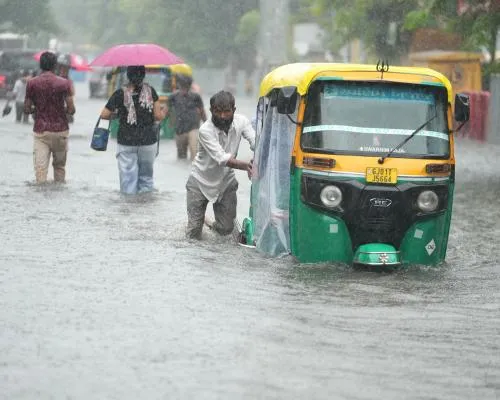 El Niño's Global Impact: UN Chief Warns of Worsening Climate Crisis
UN Secretary General António Guterres warns that a strengthened El Niño weather system, exacerbated by the ongoing climate crisis, could push global temperatures and weather patterns into uncharted territory.
-
 Wisconsin Experiences Rare Tornado and Meteotsunami; Global Weather Patterns Show Concern
Wisconsin faces rare weather phenomena as a powerful tornado and meteotsunami strike the region, while global weather systems show concerning trends of intensified tropical cyclones and prolonged heatwaves.
-
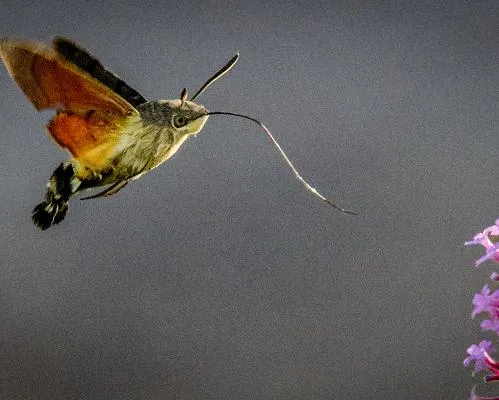 Hummingbird Hawk-moths Surge in UK Gardens Amid Hot Weather and Strong Winds
A surge in hummingbird hawk-moth sightings across the UK is being attributed to warm weather and strong winds, leading experts to predict a promising summer for these unusual insects.
-
 A Nostalgic Journey Through Dungeon Lane
Tourists are visiting Liverpool to explore the inspiration behind Paul McCartney's new album, but the area also holds historical significance and natural beauty.


