- Readers debate the necessity of specific legislation for pond conservation.
- Pond habitats are temporary and dynamic, complicating their protection efforts.
- Garden ponds can play a significant role in species support despite not being wild habitats.
Dynamic Nature of Ponds Complicates Conservation Efforts
The editorial published by The Guardian on July 24, 2023, highlighted the importance of protecting wildlife ponds, which serve as vital habitats. However, readers pointed out that these natural havens are often temporary and dynamic, presenting challenges for lawmakers trying to establish effective legislation.
Temporary Nature Requires Flexible Approaches
Tim Franks from Whaddon, Buckinghamshire, noted that many ponds do not remain permanent; they evolve over time. He suggested a 'belt-and-braces' approach combining protection of specific locations with conservation efforts for individual species to address this complexity.
Garden Ponds as Vital Components
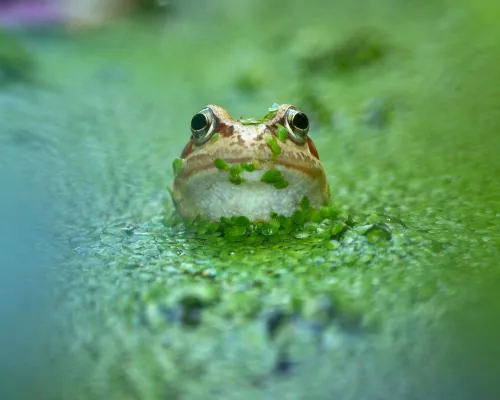
Glenn Buckingham from Framsden, Suffolk, emphasized the role garden ponds play in supporting local wildlife. His farm, which manages 52 ponds, has undertaken significant renovations to enhance their ecological value. He believes that these artificial ponds are essential for species preservation and flood resilience.
Buckingham's farm recently completed a project where they de-silted and renovated about 40 of the 52 ponds on his land. The work involved removing accumulated sediment, which helps maintain water quality and provides better conditions for amphibians like frogs and newts to thrive. He regularly observes breeding populations of frogs, toads, and smooth and great crested newts in these ponds. Additionally, he has seen grass snakes and water shrews, along with a huge variety of insect life, including five species of dragonfly this summer.
Government Urged to Promote Conservation Plans
Another reader, Glenn Fish from Sheffield, called on the government to work with farmers, landowners, and water companies to reinstate natural ponds. He suggested integrating conservation plans with building and planning to ensure mutual benefits for both development and nature recovery.
"The current plans appear to be shortsighted," Fish noted, adding that Andy Burnham’s new government has a chance to show it is serious about delivering nature recovery – and not just the kind that fits neatly into its development plans. As for existing ponds, while the clean water bill is expected to be a step change, more is needed, and so we must be pressing to highlight the huge issues of nature recovery," he said.
The transitory nature of natural ponds may require a belt-and-braces approach that combines protection for places and for individual species. This approach acknowledges that some ponds are temporary, reflecting the Latin name for the common frog as Rana temporaria, which literally means 'temporary frog,' as some of the pools in which frogs breed are not permanent.
According to Franks, this complexity makes it more challenging to frame adequate legislation. Some ponds, like the Norfolk pingo ponds, are truly ancient and therefore easier to define and protect. However, others are ephemeral, converting from temporary water bodies to boggy ground as plants take over.
Conclusion
The editorial highlights a critical issue in conservation: the dynamic nature of wildlife ponds requires flexible and multifaceted approaches to effective protection. With the collaboration of farmers, landowners, and policymakers, there is hope for greater success in protecting these vital habitats while promoting sustainable development.
Source: The Guardian

Green News
296 posts
-
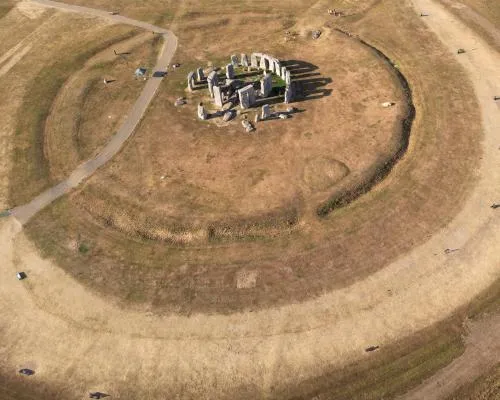 UK Endures Droughts and Heatwaves Amid Worsening Climate Crisis
The UK is facing severe drought conditions due to a combination of heatwaves and lack of rainfall. This article explores how these conditions are affecting agriculture, wildlife, and even revealing ancient archaeological sites.
-
 Record Solar Power Share Hits Britain’s Grid as Households Turn to Clean Energy
Solar power hit a record 14.4% share in Britain’s electricity grid in July, driven by sunny weather and a surge in new installations.
-
 Letters: Addressing Noise Pollution Across Urban Spaces
Letters from readers discuss the impact of noise pollution in urban areas, focusing on modified vehicles, sensory overload, and potential technological solutions.
-
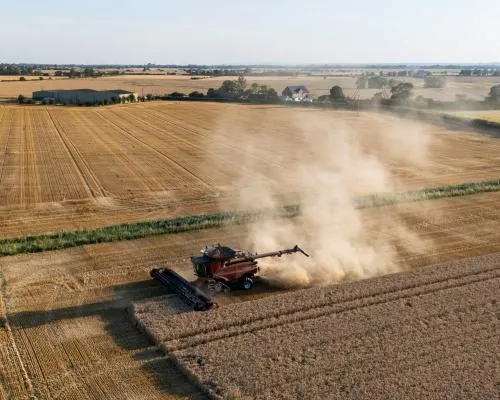 UK Farmers Warn of Potential Food Shortages Amid Persistent Drought
A prolonged drought in parts of England is raising concerns among farmers about potential food shortages. The National Farmers’ Union warns that this could be the new normal due to climate change.
-
 Record-Dry Rivers in Europe Hitting Shipping, Power Plants and Unearthing Ancient Treasures
Drought and extreme heat across central and eastern Europe have caused low water levels on major rivers like the Danube and Rhine, impacting shipping and energy production while unearthing historical artifacts.
-
 Europe’s Rivers Drought: Impacts on Energy, Shipping, and Unexpected Discoveries
Drought conditions in central and eastern Europe are causing significant impacts on shipping, energy production, and local tourism. The Danube River is at record low levels, exposing historical artifacts and disrupting navigation. Energy plants in Hungary and Romania had to shut down due t
-
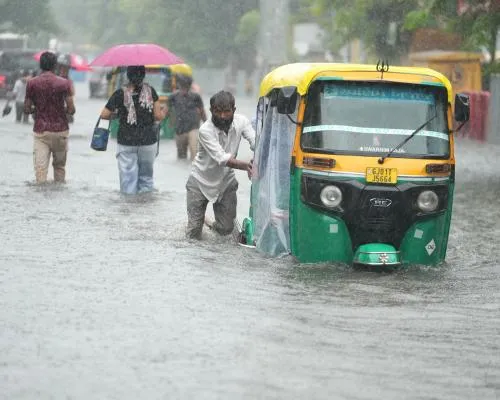 El Niño's Global Impact: UN Chief Warns of Worsening Climate Crisis
UN Secretary General António Guterres warns that a strengthened El Niño weather system, exacerbated by the ongoing climate crisis, could push global temperatures and weather patterns into uncharted territory.
-
 Wisconsin Experiences Rare Tornado and Meteotsunami; Global Weather Patterns Show Concern
Wisconsin faces rare weather phenomena as a powerful tornado and meteotsunami strike the region, while global weather systems show concerning trends of intensified tropical cyclones and prolonged heatwaves.
-
 Hummingbird Hawk-moths Surge in UK Gardens Amid Hot Weather and Strong Winds
A surge in hummingbird hawk-moth sightings across the UK is being attributed to warm weather and strong winds, leading experts to predict a promising summer for these unusual insects.
-
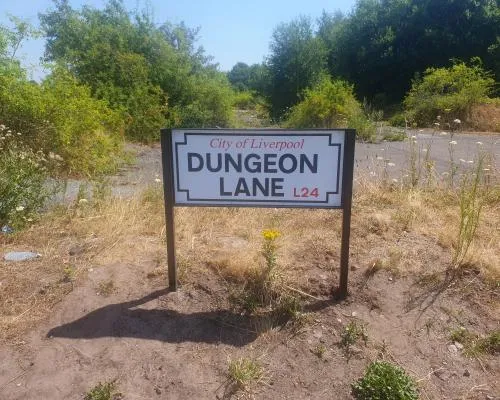 A Nostalgic Journey Through Dungeon Lane
Tourists are visiting Liverpool to explore the inspiration behind Paul McCartney's new album, but the area also holds historical significance and natural beauty.


