- Drought in parts of England could lead to food shortages.
- Farming groups say this is becoming the new normal due to climate change.
- Cereal yields are expected to be below average, with some harvests completed weeks ahead of schedule.
- Government support and investment in resilient farming systems are crucial.
Current Drought Conditions
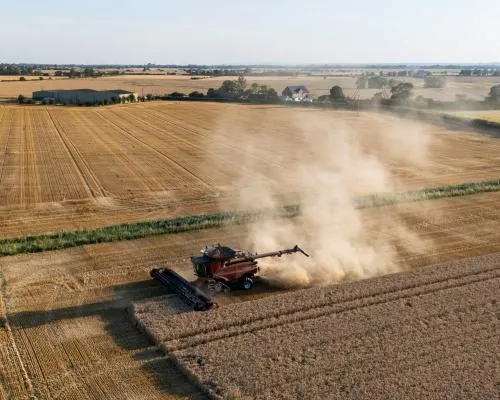
The National Farmers’ Union (NFU) has warned that Britain could face food shortages due to ongoing drought conditions, which have significantly impacted agricultural productivity. Tom Bradshaw, the NFU president, highlighted the severe impact on wheat crops and the early harvest in certain regions. According to data from the Agriculture and Horticulture Development Board (AHDB), cereal yields are expected to be below average.
This is particularly concerning given that this year's harvest is already two to three weeks ahead of the long-term average due to hot weather conditions. The persistent drought and recent floods have placed financial pressures on farmers across England. A senior analyst at the AHDB emphasized that climate change is exacerbating these challenges.
Impact on Farmers
Climate breakdown is exacerbating extreme weather conditions such as droughts. This summer, the Met Office has reported that England had just 8% of its average rainfall for July. About 23 million people across England and Wales are under a hosepipe ban due to water restrictions. The dry weather has fuelled devastating wildfires across the country, most recently in Suffolk.
Farms across the country were affected by floods over the winter, making planting extremely difficult. Now, in many areas, they do not have access to water as irrigation is being restricted due to drought. It is the third drought in five years and farming groups say this is the new normal for agriculture in Britain.
Wheat farmers say their crop is half its normal height, and England is seeing its earliest ever harvest as farmers battle to salvage what they can of their produce. In some areas it has not rained for over a month, while multiple record-breaking heatwaves have hit the country since early summer, drying out the soil.
Government and Industry Response
Farmers are calling for increased government support and investment in resilient farming systems to help them cope with future extreme weather events. Tom Bradshaw suggested that farmers should be given tax breaks to build water storage systems on their land, while Gavin Lane from the Country, Land and Business Association warned that without proper support, many farms could struggle.
“Those other countries around the world that we currently rely on to produce our food and vegetables, their climates are changing as well,” Bradshaw said in an interview with BBC Radio 4. “It does feel like there is going be some shortages of [food] products.”
Health Risks and Public Advice
In addition to agricultural concerns, the UK Health Security Agency (UKHSA) has issued heat health alerts for eight regions of England due to forecasted high temperatures. Polly Ashmore from UKHSA advised people to stay hydrated and take precautions during periods of hot weather, especially looking after vulnerable groups.
UKHSA said rising temperatures may increase health risks, particularly for older adults and those with underlying conditions. A recent report found that a third of British farmers were making a loss or only breaking even, highlighting the financial strain on many farming businesses. Gavin Lane warned that for many farmers this could be their last harvest.
“A sodden winter followed by drought has left wheat at half its usual height and some crops not worth harvesting,” Lane said. “This is the third drought in five years. What was once extraordinary is becoming part of farming in Britain, and government must start planning for it.”
Source: The Guardian

Green News
296 posts
-
 UK Endures Droughts and Heatwaves Amid Worsening Climate Crisis
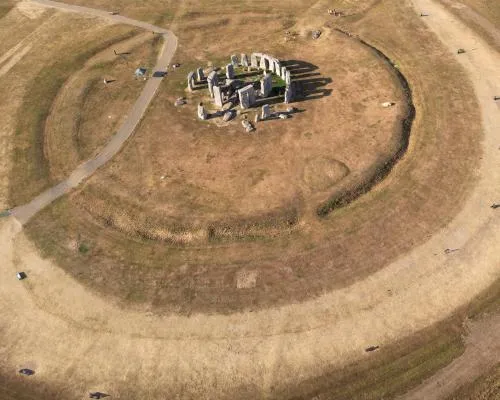
The UK is facing severe drought conditions due to a combination of heatwaves and lack of rainfall. This article explores how these conditions are affecting agriculture, wildlife, and even revealing ancient archaeological sites.
-
 Record Solar Power Share Hits Britain’s Grid as Households Turn to Clean Energy
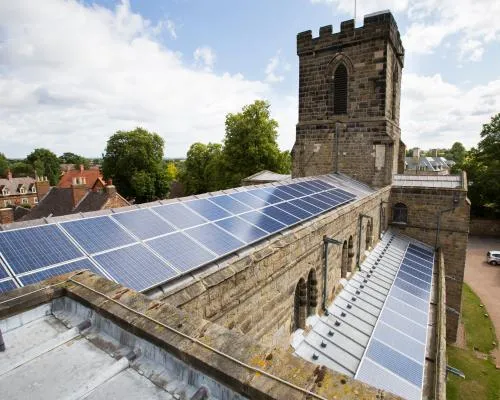
Solar power hit a record 14.4% share in Britain’s electricity grid in July, driven by sunny weather and a surge in new installations.
-
 Letters: Addressing Noise Pollution Across Urban Spaces
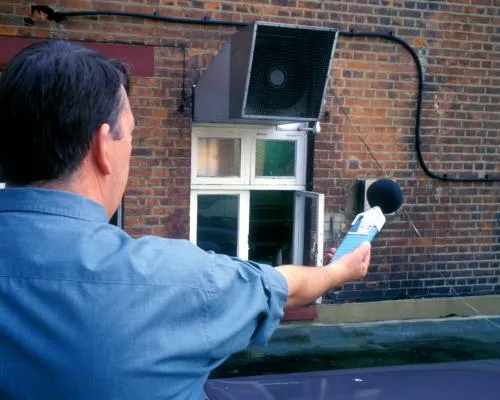
Letters from readers discuss the impact of noise pollution in urban areas, focusing on modified vehicles, sensory overload, and potential technological solutions.
-
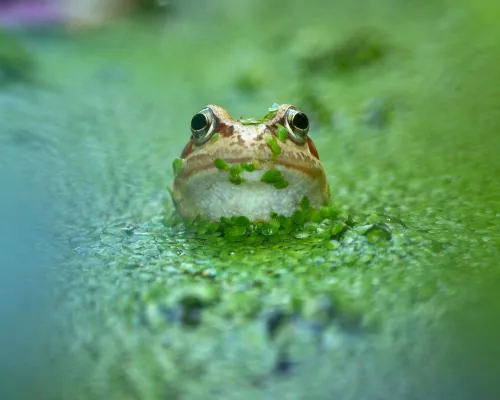 Protecting the Vital Role of Ponds: Reader Reactions
Readers respond to an editorial discussing the need for specific legislation to protect wildlife ponds, highlighting their temporary nature and role in supporting local species.
-
 Record-Dry Rivers in Europe Hitting Shipping, Power Plants and Unearthing Ancient Treasures
Drought and extreme heat across central and eastern Europe have caused low water levels on major rivers like the Danube and Rhine, impacting shipping and energy production while unearthing historical artifacts.
-
 Europe’s Rivers Drought: Impacts on Energy, Shipping, and Unexpected Discoveries
Drought conditions in central and eastern Europe are causing significant impacts on shipping, energy production, and local tourism. The Danube River is at record low levels, exposing historical artifacts and disrupting navigation. Energy plants in Hungary and Romania had to shut down due t
-
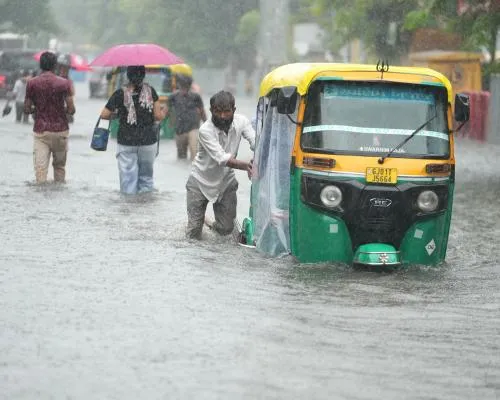 El Niño's Global Impact: UN Chief Warns of Worsening Climate Crisis
UN Secretary General António Guterres warns that a strengthened El Niño weather system, exacerbated by the ongoing climate crisis, could push global temperatures and weather patterns into uncharted territory.
-
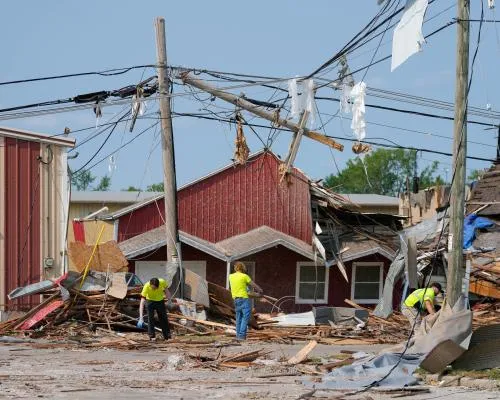 Wisconsin Experiences Rare Tornado and Meteotsunami; Global Weather Patterns Show Concern
Wisconsin faces rare weather phenomena as a powerful tornado and meteotsunami strike the region, while global weather systems show concerning trends of intensified tropical cyclones and prolonged heatwaves.
-
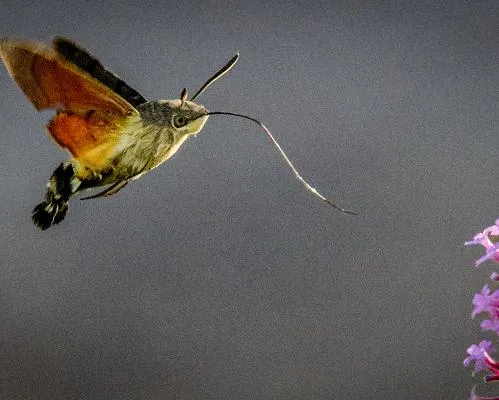 Hummingbird Hawk-moths Surge in UK Gardens Amid Hot Weather and Strong Winds
A surge in hummingbird hawk-moth sightings across the UK is being attributed to warm weather and strong winds, leading experts to predict a promising summer for these unusual insects.
-
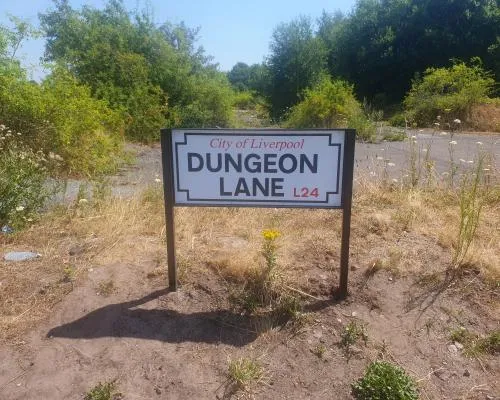 A Nostalgic Journey Through Dungeon Lane
Tourists are visiting Liverpool to explore the inspiration behind Paul McCartney's new album, but the area also holds historical significance and natural beauty.


