Study Links Early Exposure to PFAS to Intestinal Inflammation in Children

- Prenatal and early life exposure to PFAS mixtures may lead to higher levels of intestinal inflammation in children.
- The research, involving 107 mother-child pairs, found a strong correlation between elevated PFAS levels around birth and markers of inflammation.
- PFAS are known for their long-lasting nature and association with serious health issues such as cancer and liver problems.
Key Findings of the Study
A recent study from Mount Sinai's Icahn School of Medicine has revealed a potential link between prenatal and early-life exposure to per- and polyfluoroalkyl substances (PFAS) mixtures and higher levels of intestinal inflammation in children. The researchers tracked 107 mother-child pairs, covering the period from prenatal development through up to 11 years of age, finding that elevated PFAS levels around birth correlated strongly with markers of inflammation in the children.
The idea that the mom-baby dyads are exposed to these very toxic chemicals this early in life and that this leads to later intestinal inflammation is a very important finding,' commented Vishal Midya, a co-author of the study. The findings highlight the critical importance of the early life period in understanding the development of inflammatory bowel diseases such as ulcerative colitis and Crohn's disease.
Understanding PFAS

PFAS are a class of compounds used to make products resistant to water, stains, and heat. Known for their persistence in the environment due to their inability to break down naturally, these chemicals have been linked to various health issues, including cancer, kidney disease, liver problems, immune disorders, and birth defects. Prenatal or early childhood exposure is particularly concerning as it can lead to a range of diseases.
Methodology and Results
The study involved checking for PFAS in maternal blood collected during pregnancy, umbilical cord blood, and newborn dried blood spots. The researchers identified up to 955 PFAS metabolites but focused on the most prevalent compounds, including PFOA and PFOS, which are considered some of the most common and dangerous.
The authors measured fecal calprotectin, a biomarker of intestinal inflammation often used to monitor inflammatory bowel disease in older children. While this does not confirm specific diseases, it serves as an indicator of potential issues. The findings suggest that the mixture of PFAS compounds, rather than individual chemicals, may have a significant impact on gut health.
Policy Implications and Recommendations
The study underscores the need for more robust policy measures to protect pregnant women and young children from PFAS exposure. Co-author Manasi Agrawal emphasized that understanding the early life pathway could make prevention strategies more effective. She suggested steps such as using water filtration systems, buying organic products, avoiding waterproof clothing, and stain guards.The research highlights the importance of considering PFAS mixtures rather than individual compounds, as humans are typically exposed to multiple chemicals at once. This approach is crucial for a realistic assessment of health risks.
Despite its significance, one limitation noted by the authors is the small sample size. Nonetheless, the study provides critical insights that could shape future policies and preventive measures aimed at protecting maternal and child health from PFAS exposure.
Source: The Guardian
Green News
276 posts
-
 Beat the Heat: Practical Tips from Around the Globe
Practical advice from heat experts in different regions on how to stay cool and hydrated during hot weather.
-
 Herbicide Paraquat Withdrawn from Australian Market by Syngenta
Syngenta has decided to stop selling paraquat in Australia due to new regulations linked to health concerns, leaving local farmers uncertain about their future options.
-
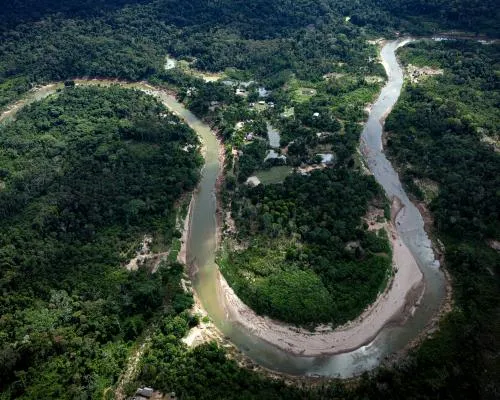 Indigenous Communities Face Growing Threat from Organized Crime in Amazon
Indigenous communities in Brazil face growing threats from organized crime groups in their efforts to protect the Amazon rainforest, with calls for government intervention and support.
-
 Most Riverbanks in England Lack Public Access as Extreme Heatwaves Worsen
Most riverbanks in England are off-limits to the public, affecting over 70% of catchments as access rights are lacking. Campaigners advocate for more responsible access to water and land.
-
 Sustainable Forestry Practices Yield Green Islands in Central America
The Maya Biosphere Reserve in Guatemala showcases how sustainable logging and community involvement can preserve forests while improving local livelihoods.
-
 Rare Fogbows: A Meteorological Rarity in Australia
Fogbows are rare optical illusions seen in Australia during specific weather conditions. Learn about their formation and the factors required for them to appear.
-
 Mysterious Fogbows Emerge in Australia: A Rare Optical Illusion
Fogbows, rare atmospheric phenomena similar to rainbows but appearing in foggy conditions, have been observed in Australia. These fleeting illusions require precise alignment of sun and dense yet not too thick fog for visibility.
-
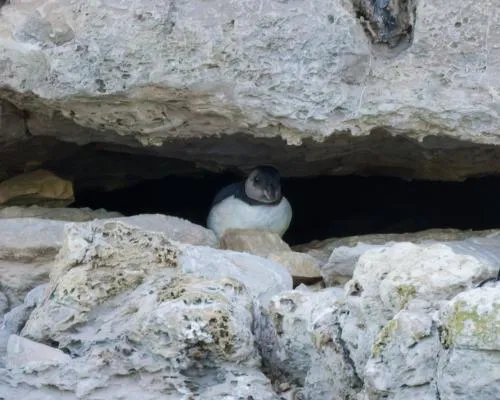 Rare Puffling Sighted After Three Decades on Dorset Coast
A rare puffling has been spotted on Dorset's coast after three decades, renewing hopes for the local puffin population.
-
 Water Leaks Outstrip Hosepipe Ban Savings in England and Wales
A new study reveals that water companies in England and Wales are losing five times more water through leaks than they could save with a hosepipe ban. Environmental campaigners warn of increasing droughts due to climate change.
-
 U.S. Voters Link Extreme Weather to Climate Crisis, Despite Trump’s Denials
A new survey reveals that the majority of American voters link extreme weather events, including heatwaves and floods, to the climate crisis. Despite Republican skepticism, the findings indicate growing public concern that surpasses political polarization on this issue.


