- John Smith was an architectural historian who dedicated over half a century to preserving the town of Stamford in Lincolnshire.
- He discovered a crucial piece of the Stamford Eleanor Cross, which is now on display in Stamford Library.
- As curator of Stamford Museum, he produced award-winning trails and public lectures.
Preserving Stamford's Heritage
John Smith, who passed away at 86, was an architectural historian and a specialist in church conservation, playing a significant role in preserving the beauty of the ancient town of Stamford in Lincolnshire. His dedication to historical preservation began early; for more than half a century, he served on Stamford Civic Society’s executive committee. One of his most notable achievements involved leading the campaign that resulted in the Northfields area becoming a conservation zone in 2004, ensuring the continued preservation of this beautiful part of the town.

Discovering a Piece of History
A significant contribution to Stamford's historical record was John Smith's discovery of the sole surviving piece from the Stamford Eleanor Cross. Of the 12 such monuments erected in the 1290s by Edward I in memory of his wife, three still stand, but the Stamford fragment is the only survival from any of the monuments' upper shafts. In 1993, while working as the curator of Stamford Museum, John identified this fragment amidst other stones, thanks to his encyclopedic knowledge and identification skills. His recognition ensured that the stone was not lost forever; it now resides on display at Stamford Library.
John wrote extensively about the 18th-century antiquarian William Stukeley, whose garden in Stamford housed the fragment he discovered. His research contributed significantly to historical documentation, enhancing our understanding of English architecture and history. Additionally, his work included contributing the Lincolnshire chapter to the Blue Guide to English Churches and Chapels.
Contributions Beyond Stamford
Beyond his work in Stamford, John was also a respected curator for the Church of England's Council for the Care of Churches. His expertise led to him being admitted to the Society of Antiquaries at just 34 years old. From 1970 to 1974, he worked as a conservationist in London, where his reports were highly appreciated due to his practical experience and academic background. In 1978, John was appointed curator of Stamford Museum by Lincolnshire county council and held this position until his retirement in 1997.
John's influence extended beyond local efforts; he served on various church committees, including the Peterborough Cathedral fabric committee and the Lincoln diocesan advisory committee. He also played a pivotal role in conserving the Stamford Mercury Archive, which holds copies of that local newspaper from as early as 1714. For his work on this project, John was awarded the British Empire Medal.
Legacy
John Smith leaves behind a legacy of dedicated preservation efforts and contributions to historical documentation. His work has not only enriched Stamford but also contributed to the broader understanding of English architecture and history through his writings and curatorial roles. He is survived by his wife, Dianne Howe; their children, Sophie and him; and grandsons Edward and Henry.
Source: The Guardian

Green News
296 posts
-
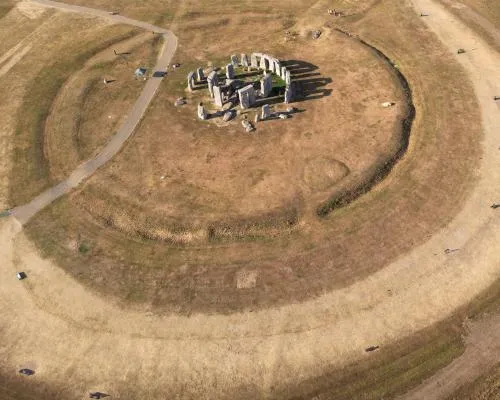 UK Menghadapi Drought dan Palu Panas Akibat Krisis Iklim yang Semakin Memburuk
Artikel ini membahas dampak buruknya dari kondisi kering yang disebabkan oleh palu panas dan kurangnya hujan di Inggris. Hal ini mengancam pertanian, satwa liar, serta bahkan menorehkan situs arkeologi lama.
-
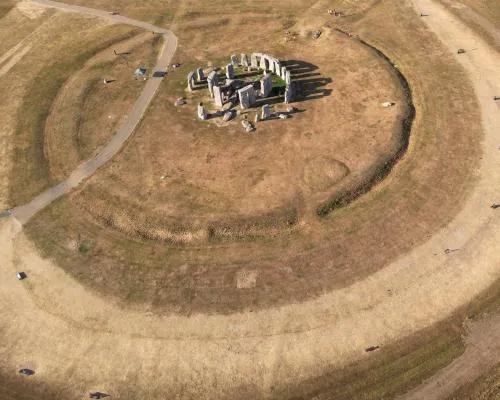 Reino Unido enfrenta sequías y oleadas de calor en el agravamiento del cambio climático
El Reino Unido se encuentra con condiciones de sequía severas debido a una combinación de oleadas de calor y falta de lluvia. Este artículo explora cómo estas condiciones están afectando la agricultura, la vida silvestre e incluso revelando sitios arqueológicos antiguos.
-
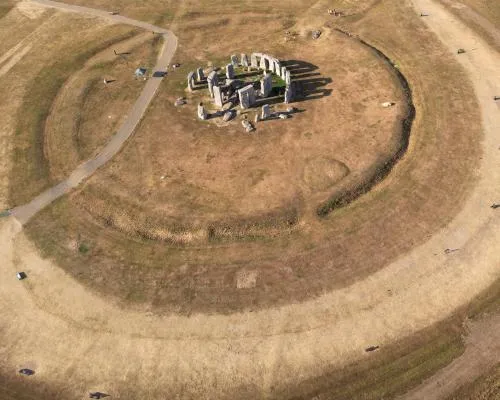 Reino Unido enfrenta secas e calor extremo no agravamento da crise climática
O Reino Unido está passando por condições severas de seca devido à combinação de ondas de calor e falta de precipitação. Este artigo explora como essas condições estão afetando a agricultura, a vida selvagem e até mesmo revelando sites arqueológicos antigos.
-
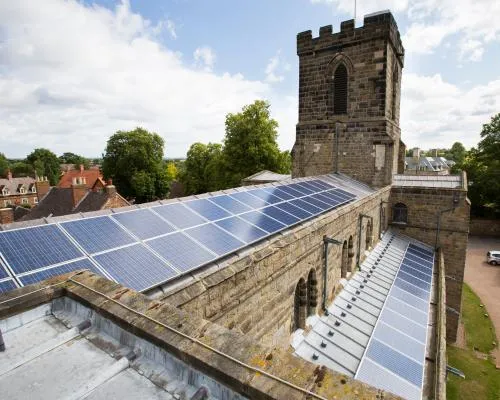 Pembagian Tenaga Surya Capai Rekor di Jaringan Listrik Inggris
 -
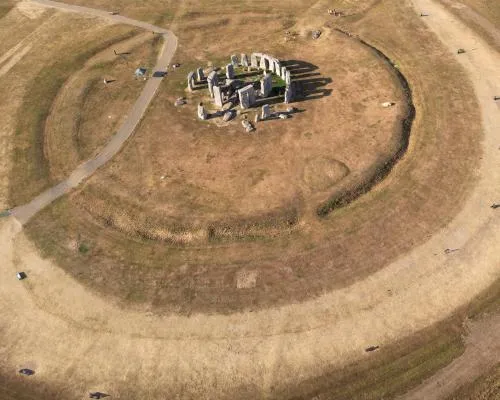 UK Endures Droughts and Heatwaves Amid Worsening Climate Crisis
The UK is facing severe drought conditions due to a combination of heatwaves and lack of rainfall. This article explores how these conditions are affecting agriculture, wildlife, and even revealing ancient archaeological sites.
-
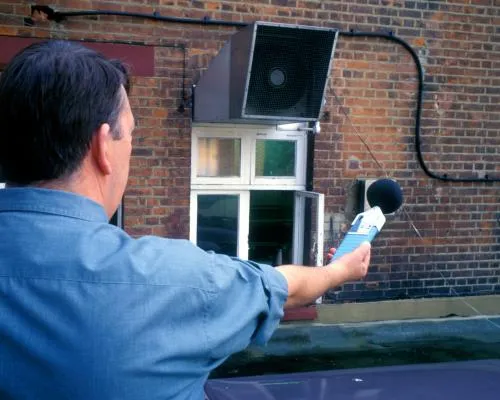 Surat: Menangani Polusi Suara di Ruang Kota
Surat pembaca membahas dampak polusi suara di kota-kota, menyoroti kendaraan yang dirubah, berlebihan stimulasi sensorik, dan potensi solusi teknologi baru.
-
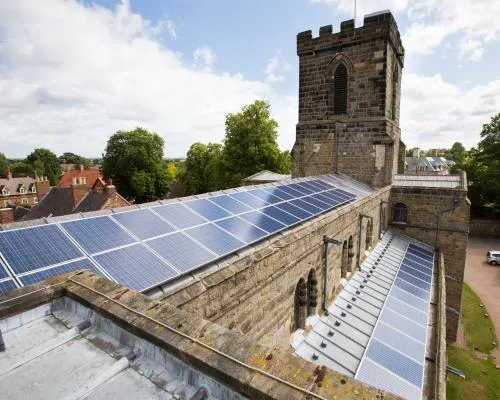 Participação Solar atinge Recorde no Sistema Elétrico Britânico
 -
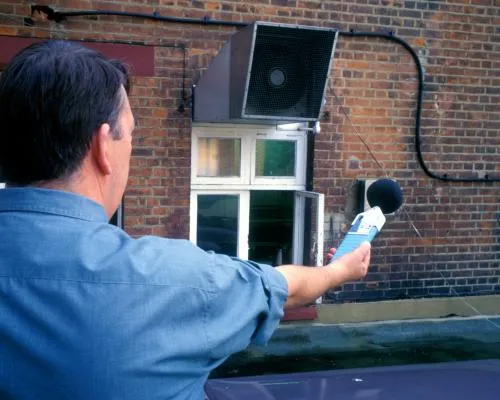 Cartas: Abordar la contaminación sonora en espacios urbanos
Leer las cartas de los lectores sobre el impacto de la contaminación sonora en áreas urbanas, con énfasis en vehículos modificados, sobrecarga sensorial y soluciones tecnológicas.
-
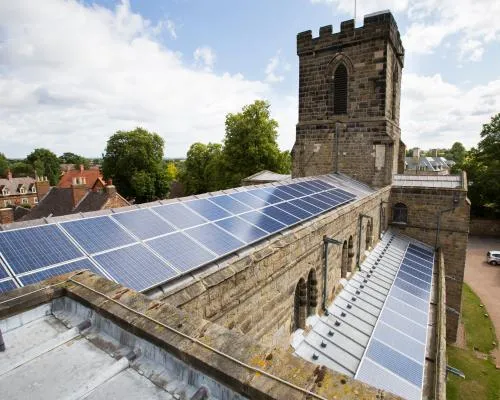 Record Solar Power Share Hits Britain’s Grid as Households Turn to Clean Energy
Solar power hit a record 14.4% share in Britain’s electricity grid in July, driven by sunny weather and a surge in new installations.
-
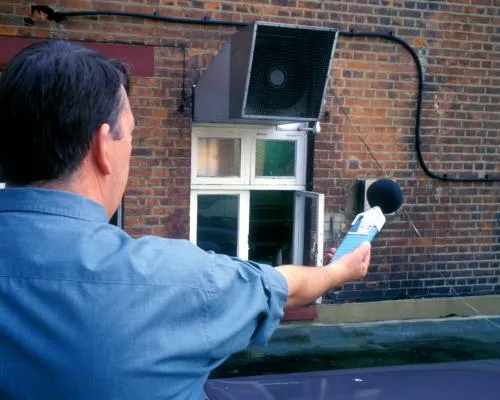 Letters: Addressing Noise Pollution Across Urban Spaces
Letters from readers discuss the impact of noise pollution in urban areas, focusing on modified vehicles, sensory overload, and potential technological solutions.
-
 Petani Inggris Awas pada Potensi Kekurangan Makanan Akibat Drought Terus Berlangsung


