- Woodlice have over 300 regional names in Britain alone, reflecting human affection.
- As detritivores, woodlice play a crucial role in breaking down plant matter and stabilizing heavy metals.
- Their ability to withstand toxic pollution makes them valuable for environmental cleanup.
Names Galore: Woodlice Through the Ages
The common woodlouse, often known as the 'common rough woodlouse' (Porcellio scaber), has a rich history of regional names that span centuries. In Britain alone, it has earned more than 300 nicknames such as 'chucky pig,' 'slater,' and 'wood pig.' These colorful monikers reflect not only the creature's adaptability but also the affection humans have for these small but significant organisms.

The Detritivore’s Role in Environmental Cleanup
Woodlice, or isopoda, are essential decomposers that play a critical role in breaking down organic matter and contributing to nutrient cycling. Their ability to consume rotting plant material helps maintain the health of ecosystems by preventing the buildup of dead biomass. Furthermore, their unique physiology allows them to store heavy metals within specialized compartments, which can help stabilize these pollutants in compost and other substrates.
Resilience and Endurance
A key feature of woodlice is their adaptability and resilience. Unlike many animals, they have been successful on land for over 500 million years due to the niches they occupy. Their ability to withstand toxic pollution makes them particularly valuable in environments where heavy metals are present. This superpower also means that woodlice can be used in bioremediation efforts to clean up contaminated sites.
One reader, Sally Roe, found a large colony of woodlice beneath an offcut of bamboo she had used as a weed suppressant in her garden. After harvesting pumpkins, the previously solid slab of bamboo was transformed into a honeycomb structure filled with woodlice, illustrating the importance of these creatures to natural decomposition processes.
Their resilience extends beyond their ability to handle toxins. Chris Pickard expresses confidence that woodlice will continue to thrive long after humans and other species may have become extinct. This adaptability makes them fascinating study subjects for ecologists and environmental scientists.
Source: The Guardian

Green News
300 posts
-
 Top Invertebrates of the Year: The Common Woodlouse Emerges as a Winner
The common woodlouse has been recognized as one of the year's top invertebrates through an online poll, highlighting the diversity of these often-overlooked organisms.
-
 Climate Crisis Fuels Extreme Weather Events in Europe and Asia
This article explores how climate change is intensifying extreme weather events in Europe and Asia, with insights from environment journalists on media coverage, personal actions, and systemic changes needed.
-
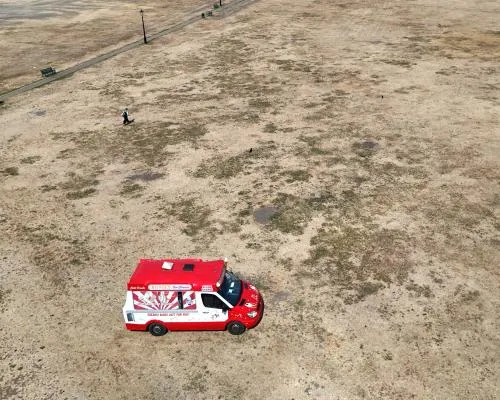 Driest July in Southern England Since 1836 Amid Climate Crisis
July 2026 was the driest month in southern England since records began nearly two centuries ago, marking a significant impact due to climate change.
-
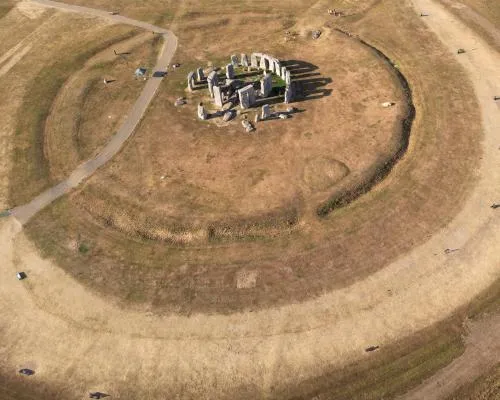 UK Endures Droughts and Heatwaves Amid Worsening Climate Crisis
The UK is facing severe drought conditions due to a combination of heatwaves and lack of rainfall. This article explores how these conditions are affecting agriculture, wildlife, and even revealing ancient archaeological sites.
-
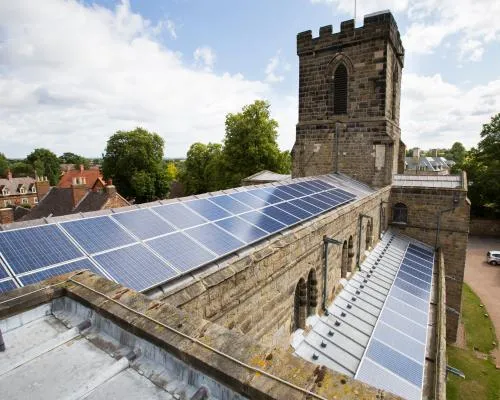 Record Solar Power Share Hits Britain’s Grid as Households Turn to Clean Energy
Solar power hit a record 14.4% share in Britain’s electricity grid in July, driven by sunny weather and a surge in new installations.
-
 Letters: Addressing Noise Pollution Across Urban Spaces
Letters from readers discuss the impact of noise pollution in urban areas, focusing on modified vehicles, sensory overload, and potential technological solutions.
-
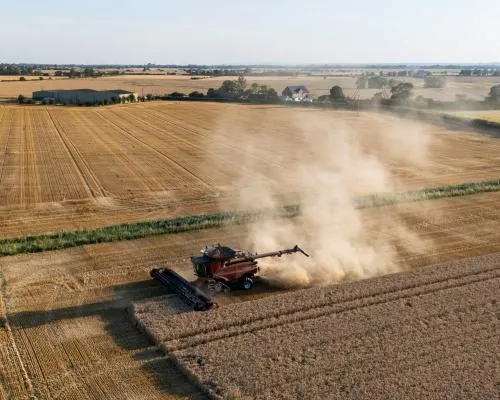 UK Farmers Warn of Potential Food Shortages Amid Persistent Drought
A prolonged drought in parts of England is raising concerns among farmers about potential food shortages. The National Farmers’ Union warns that this could be the new normal due to climate change.
-
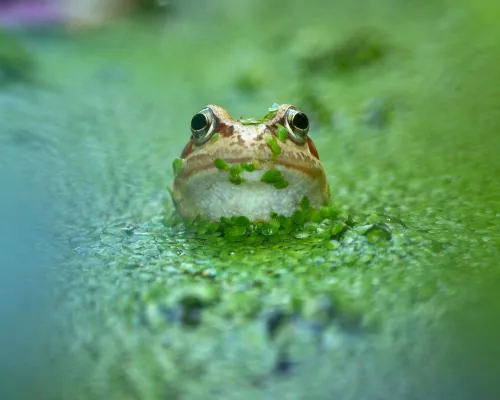 Protecting the Vital Role of Ponds: Reader Reactions
Readers respond to an editorial discussing the need for specific legislation to protect wildlife ponds, highlighting their temporary nature and role in supporting local species.
-
 Record-Dry Rivers in Europe Hitting Shipping, Power Plants and Unearthing Ancient Treasures
Drought and extreme heat across central and eastern Europe have caused low water levels on major rivers like the Danube and Rhine, impacting shipping and energy production while unearthing historical artifacts.
-
 Europe’s Rivers Drought: Impacts on Energy, Shipping, and Unexpected Discoveries
Drought conditions in central and eastern Europe are causing significant impacts on shipping, energy production, and local tourism. The Danube River is at record low levels, exposing historical artifacts and disrupting navigation. Energy plants in Hungary and Romania had to shut down due t


