- Wildfires in Europe are exacerbated by climate change, making hot, dry weather 20 times more likely.
- Unprecedented rains across Asia lead to floods, landslides, and evacuations.
- Media often underplays the connection between climate crisis and extreme weather events.
Europe Wildfires and Climate Change
The summer of 2023 saw Europe grappling with an unusually severe wildfire season, driven by climate change. According to reports from The Guardian's environment correspondent Ajit Niranjan, the combination of hot, dry weather has made wildfires more likely in Spain and twice as likely in France. EU officials warn that wildfires could still be burning into early November, setting a potential record for land burned this year. These events underscore the urgent need to address climate change before such disasters become even more frequent and devastating.
Asia Floods and Climate Impact

In Asia, unprecedented rainfall has led to severe flooding in countries like South Korea, Japan, and Vietnam. Torrential downpours have resulted in landslides and evacuations, highlighting the impact of climate change on extreme weather patterns. Natasha Desenrasco from Reddit asked how people should react to these events. Niranjan explains that while wildfires kill fewer people compared to floods or heatwaves, smoke inhalation poses significant health risks.
Media Coverage and Misinformation
The Q&A session with Jonathan Watts highlighted the frustration over media coverage. Watts argues that many news organizations downplay or ignore the link between climate change and extreme weather events, focusing instead on short-term economic considerations. Similarly, Ajit Niranjan pointed out that social media often propagates misinformation, further distracting people from understanding the root causes of these crises.
Coping with Climate Anxiety
Younger generations are increasingly experiencing climate anxiety. Owl1917 asked for advice on how to cope. Niranjan encourages individuals to pinpoint their specific fears about the climate crisis, turning them into actionable steps. He emphasizes that while systemic change is critical, personal actions can still make a difference.
Challenging Perpetual Growth Economics
A fundamental discussion arises regarding the economics of perpetual growth on a finite planet. Jonathan Watts emphasized the need for degrowth and ecological restoration, suggesting alternatives like Kate Raworth’s Doughnut Economics. He also highlighted the positive progress in energy transition technologies, such as electric vehicles and renewable energy sources, which could reshape global economic and political landscapes.
Conclusion
The climate crisis continues to fuel extreme weather events with significant impacts on human health and infrastructure. While individual actions can contribute positively, systemic changes are essential. The conversation about how we address the root causes of these crises must continue to foster a collective effort towards sustainable living and policy reforms.
Source: The Guardian

Green News
298 posts
-
 Thiết bị công nghệ hàng đầu Việt Nam
PTU là nhà phân phối chính thức các thiết bị an ninh của hãng: khóa vân tay locstar, philips,...; camera quan sát; hệ thống báo động, chống trộm, kiểm soát vào ra, chấm công…
-
 Chảo chống dính loại nào tốt ?
Chảo chống dính là một vật dụng không thể thiếu trong mỗi căn bếp . Tuy nhiên, việc lựa chọn chảo chống dính phù hợp với nhu cầu lại khá khó khăn. Hãy cùng gia dụng house tìm hiểu nhé !
-
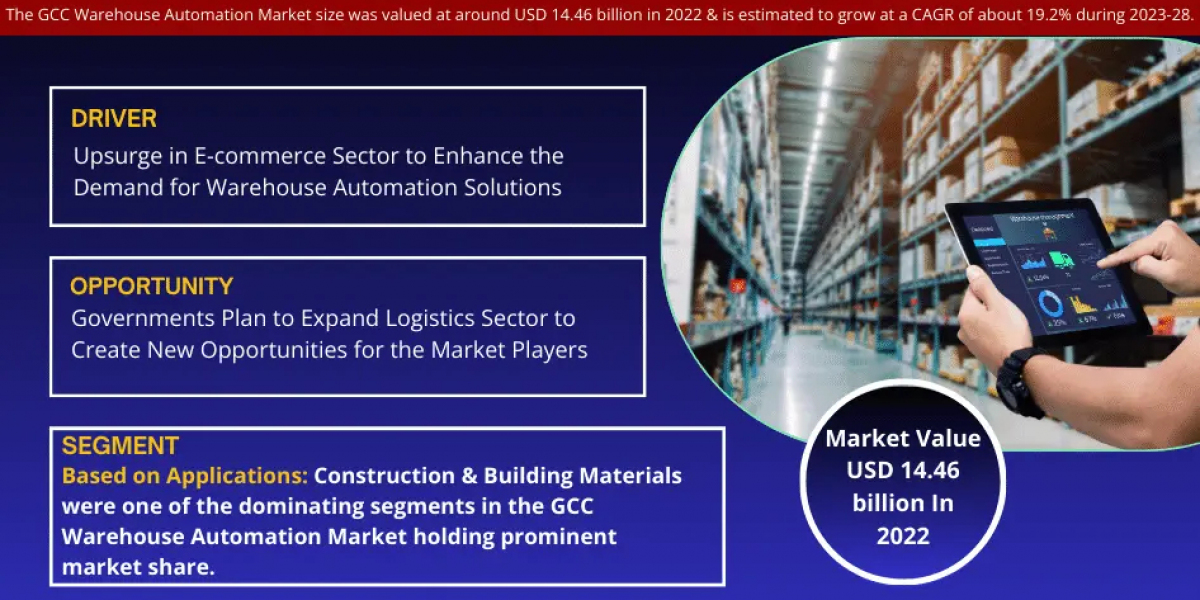 GCC Warehouse Automation Market Size, Share, leading key players Analysis & Forecast 2023-2028
The GCC Warehouse Automation Market size was valued at around USD 14.46 billion in 2022 & is estimated to grow at a CAGR of about 19.2% during the forecast period, i.e., 2023-28.
-
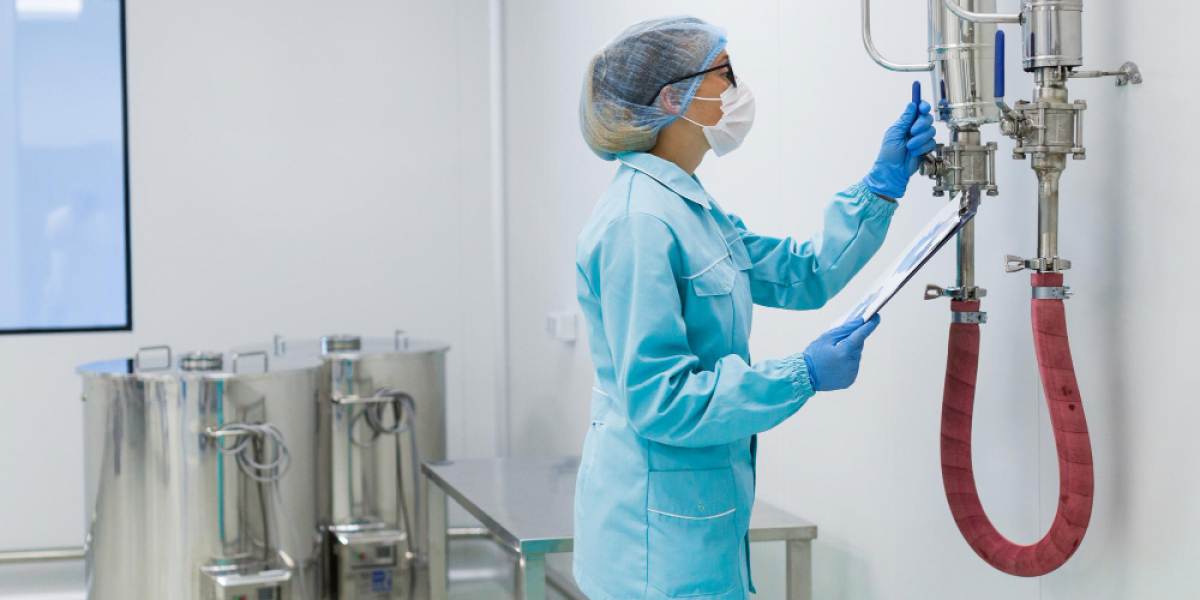 Food Deaerators Market is expected to reach a value of USD 34.8 Billion in 2033 at a CAGR of 3.5%.
Food Deaerators Market is expected to reach a value of USD 34.8 Billion in 2033 at a CAGR of 3.5%.
-
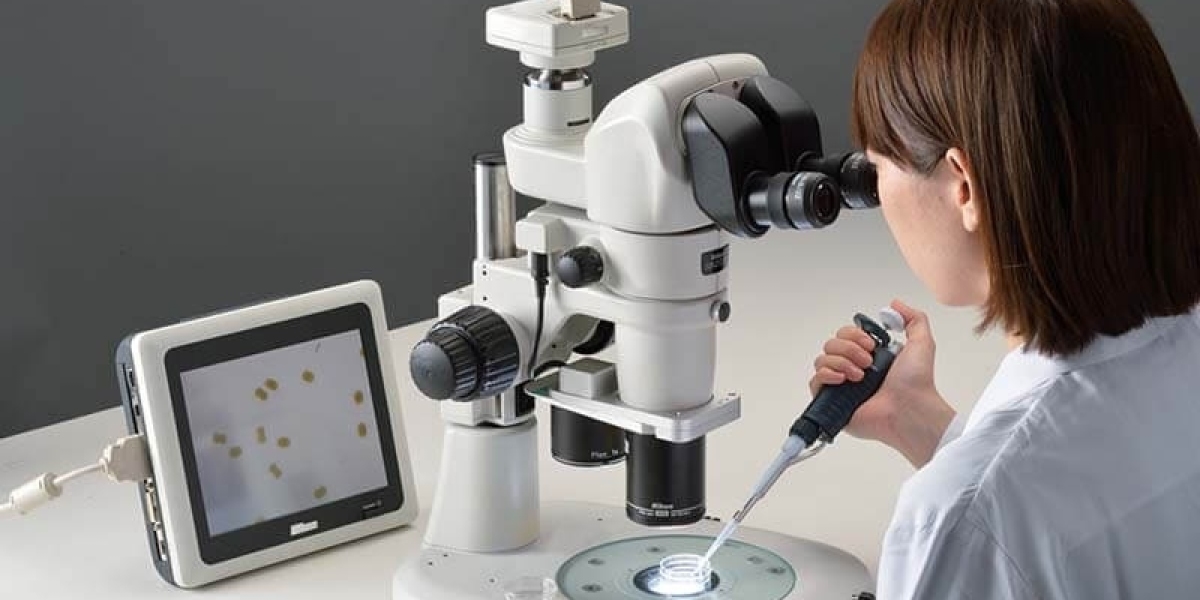 Kính hiển vi soi khuẩn nào chất lượng tốt, nên mua?
Kính hiển vi soi vi khuẩn là loại kính hiển vi được sử dụng để quan sát các mẫu vật như vi sinh vật, vi khuẩn có kích thước nhỏ mà bình thường mắt thường khó có thể nhìn thấy. Tại các trường học,
-
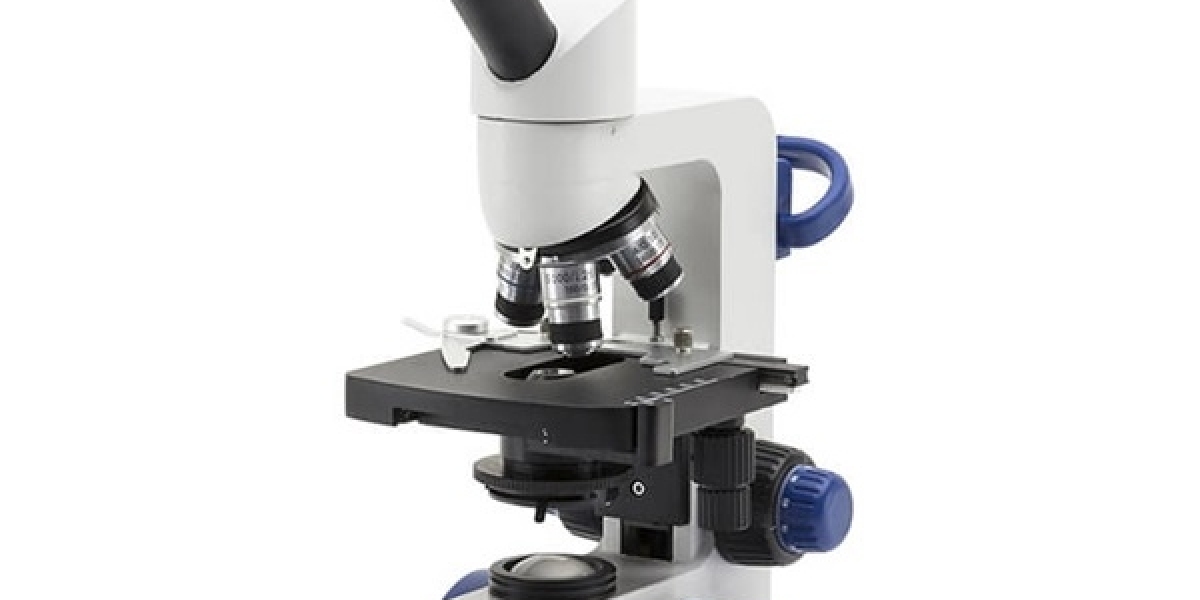 Tư vấn kính hiển vi cho học sinh tốt nhất nên mua hiện nay
Kính hiển vi cho học sinh được sử dụng phổ biến trong các tiết học khoa học tự nhiên để quan sát, nghiên cứu mẫu vật. Vậy các kính hiển vi cho học sinh được lựa chọn như thế nào? Các mẫu kính hiển vi nên mua. Hãy cùng tìm
-
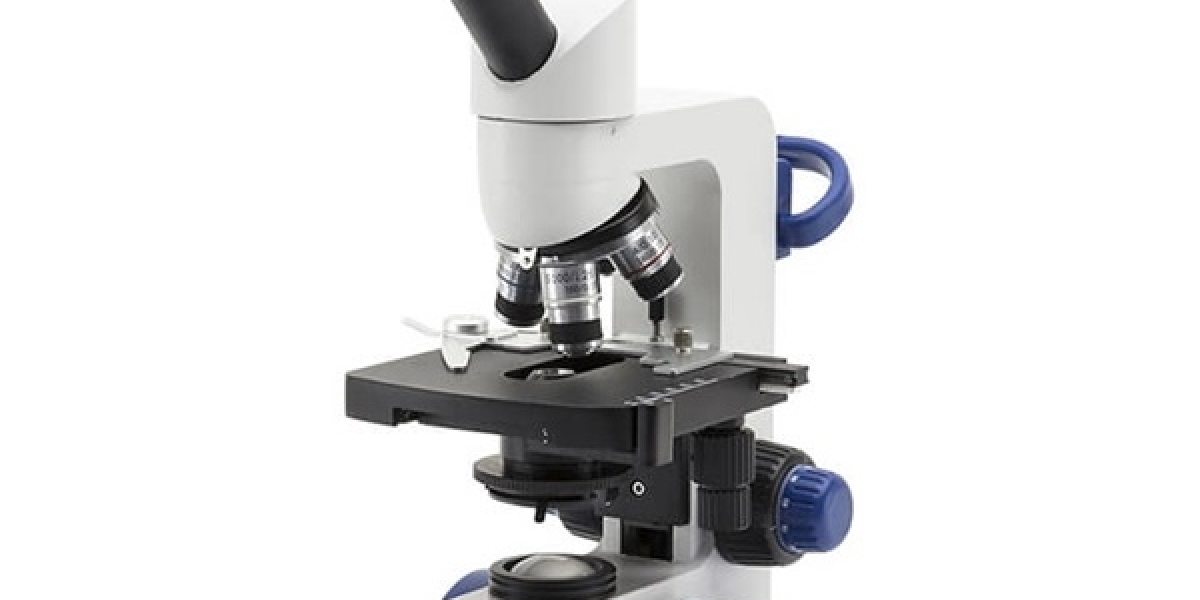 Tư vấn kính hiển vi cho học sinh tốt nhất nên mua hiện nay
Kính hiển vi cho học sinh được sử dụng phổ biến trong các tiết học khoa học tự nhiên để quan sát, nghiên cứu mẫu vật. Vậy các kính hiển vi cho học sinh được lựa chọn như thế nào? Các mẫu kính hiển vi nên mua. Hãy cùng tìm
-
 Tìm hiểu về kính hiển vi trường sáng và trường tối
Kính hiển vi trường sáng và kính hiển vi trường tối là 2 loại kính hiển vi có những đặc điểm, ứng dụng riêng biệt. Bài viết dưới đây sẽ cung cấp những thông tin cụ thể này và so sánh sự giống và khác nhau giữa 2 kính hi??
-
 Cấu tạo kính hiển vi điện tử? Phân loại, ứng dụng chi tiết
Bạn đang có nhu cầu sử dụng kính hiển vi điện tử nhưng vẫn chưa biết cấu tạo của thiết bị này như thế nào? Phân loại, ứng dụng chi tiết của kính hiển vi điện tử ra sao? Bài viết này sẽ giúp bạn giải đáp các thắc mắ
-
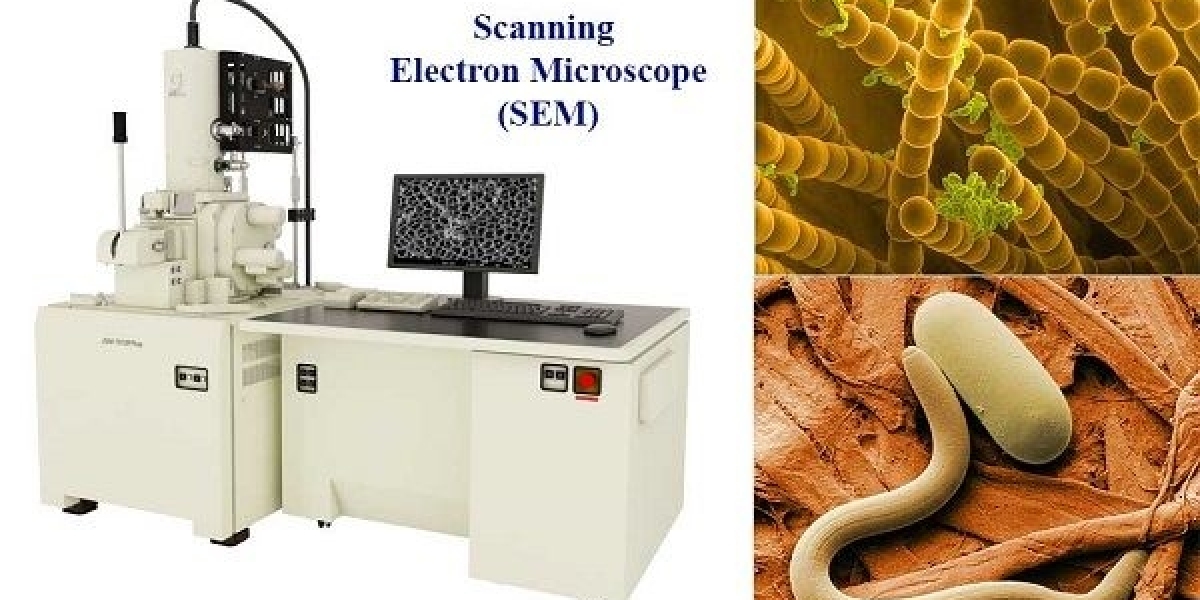 Cấu tạo kính hiển vi điện tử? Ứng dụng kính hiển vi điện tử
Kính hiển vi điện tử là thiết bị quan sát được ứng dụng phổ biến trong các công việc ở phòng thí nghiệm hoặc công việc kiểm tra, sửa chữa. Vậy cấu tạo kính hiện vi điện tử ra sao? Ứng dụng của kính hiển vi điện tử t
-
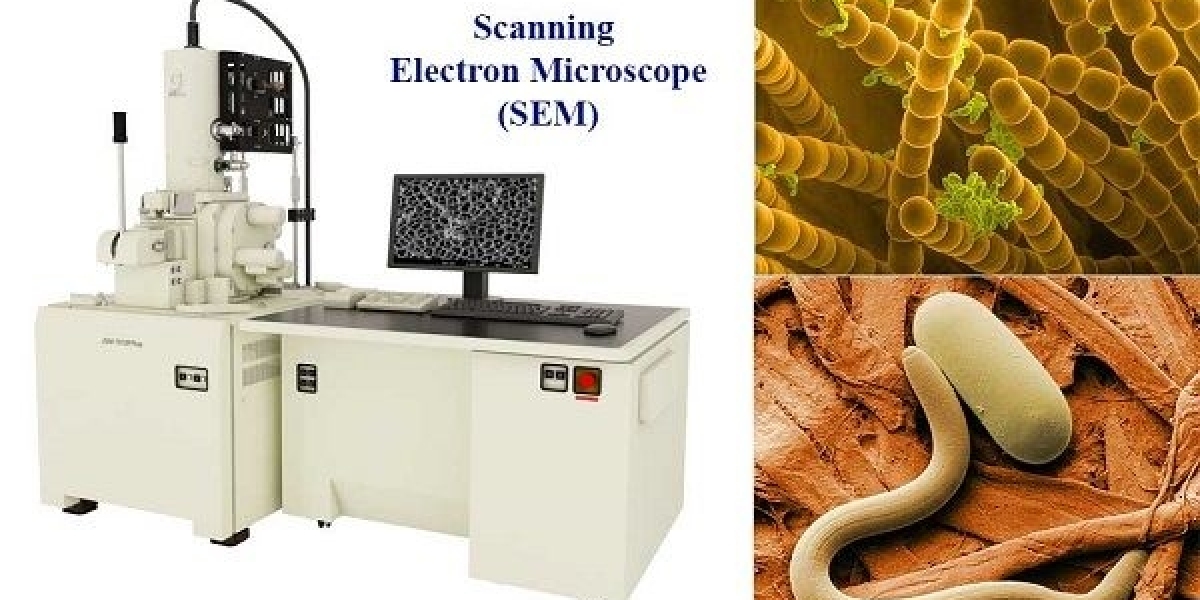 Cấu tạo kính hiển vi điện tử? Ứng dụng kính hiển vi điện tử
Kính hiển vi điện tử là thiết bị quan sát được ứng dụng phổ biến trong các công việc ở phòng thí nghiệm hoặc công việc kiểm tra, sửa chữa. Vậy cấu tạo kính hiện vi điện tử ra sao? Ứng dụng của kính hiển vi điện tử t


