Return of the Stork: Conservationists Welcome Birds to Willington Wetlands

- Three juvenile white storks have arrived at Willington Wetlands, marking a significant milestone after their absence for over 600 years.
- Conservation efforts aim to establish a breeding population and restore the landscape's ecosystem.
- The project is part of an ambitious species-recovery programme, focusing on creating habitats for other wildlife as well.
- Storks are expected to attract wild birds moving through the area, contributing to biodiversity in the region.
Welcoming the Storks
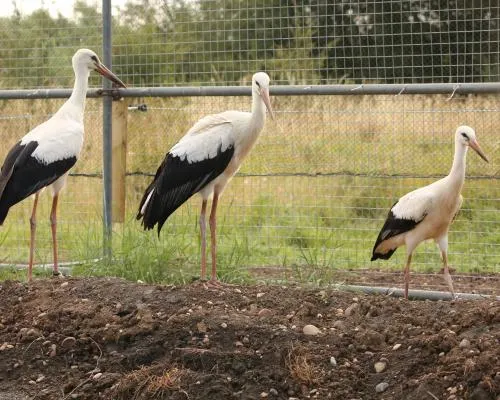
A long orange beak poked curiously out from its wooden crate, followed by a sleek head and slender body. Then the first white stork of the morning flapped its wings and took to the air. Moments later, a second emerged tentatively to stalk through the long grass, followed closely by a final sibling who stretched its wings and explored the length of the enclosure. The trio of juvenile white storks have just arrived at their new home in Willington Wetlands in Derbyshire, marking an historic return after a 600-year absence. Conservationists are hopeful that their presence will kickstart the return of the birds to the Midlands.
Historical Context
White storks disappeared from the region around the 14th century due to habitat loss and hunting, but recent sightings have increased in the area without successful breeding. The trio of juveniles – one male, one female, and one of yet-to-be-determined sex – are expected to act as a “magnet flock” to attract wild birds moving through the Trent Valley and encourage others to settle and lead to a healthy breeding population.
The project is part of an ambitious plan to restore landscapes and engage landowners in creating corridors. The first pair will be carefully monitored. Depending on how they settle and progress, additional birds may be shipped into the reserve in future. “White storks seek safety in numbers, so it’s been proven that white storks will settle around other white storks,” said Katie Last, the living landscape officer for Derbyshire Wildlife Trust, who has overseen the project and manages the nature reserve.
Restoration Efforts
The storks were bred at a captive facility in Staffordshire before being moved to their new, predator-proof enclosure. The purpose-built area includes an electric fence and fine netting to protect the birds from predators and avian diseases. Over 40 hectares of wet grassland, open pools, and reed beds have been restored to provide ideal foraging and nesting conditions.
Over time, Derbyshire Wildlife Trust hopes to see white storks successfully breeding in the area and to manage releases from the enclosure into the reserve as part of the ambitious species-recovery programme. The £309,000 project has been funded by the Veolia Environmental Trust through the Landfill Communities Fund.
A Vision for a Richer Landscape
“Our long-term hope is that white storks become part of the Midlands landscape once again, but success is about much more than one species,” said Rachel Bennett, the director of wilder landscapes and wilder communities at Derbyshire Wildlife Trust. “Success means thriving wetlands, more wildlife across the landscape, and communities that feel connected to nature and invested in its future.”
Source: The Guardian
Green News
296 posts
-
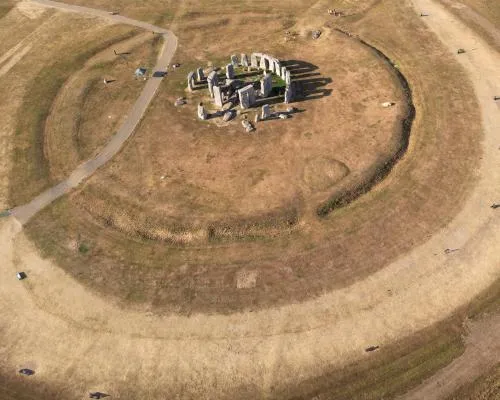 UK Endures Droughts and Heatwaves Amid Worsening Climate Crisis
The UK is facing severe drought conditions due to a combination of heatwaves and lack of rainfall. This article explores how these conditions are affecting agriculture, wildlife, and even revealing ancient archaeological sites.
-
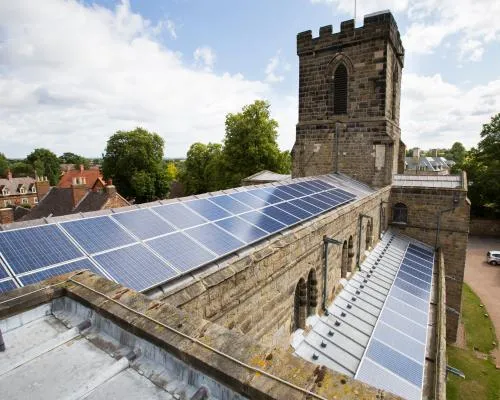 Record Solar Power Share Hits Britain’s Grid as Households Turn to Clean Energy
Solar power hit a record 14.4% share in Britain’s electricity grid in July, driven by sunny weather and a surge in new installations.
-
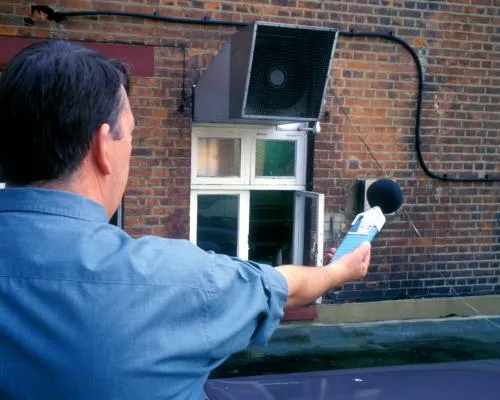 Letters: Addressing Noise Pollution Across Urban Spaces
Letters from readers discuss the impact of noise pollution in urban areas, focusing on modified vehicles, sensory overload, and potential technological solutions.
-
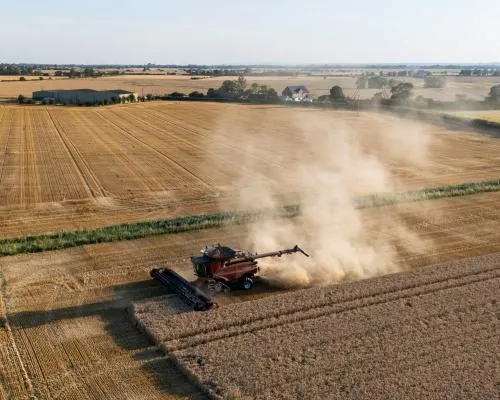 UK Farmers Warn of Potential Food Shortages Amid Persistent Drought
A prolonged drought in parts of England is raising concerns among farmers about potential food shortages. The National Farmers’ Union warns that this could be the new normal due to climate change.
-
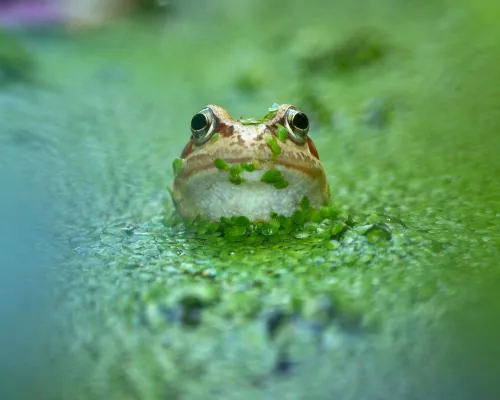 Protecting the Vital Role of Ponds: Reader Reactions
Readers respond to an editorial discussing the need for specific legislation to protect wildlife ponds, highlighting their temporary nature and role in supporting local species.
-
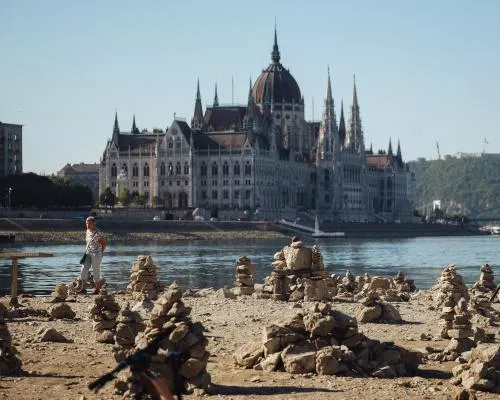 Record-Dry Rivers in Europe Hitting Shipping, Power Plants and Unearthing Ancient Treasures
Drought and extreme heat across central and eastern Europe have caused low water levels on major rivers like the Danube and Rhine, impacting shipping and energy production while unearthing historical artifacts.
-
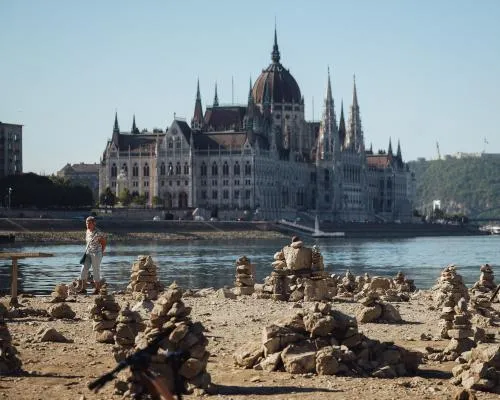 Europe’s Rivers Drought: Impacts on Energy, Shipping, and Unexpected Discoveries
Drought conditions in central and eastern Europe are causing significant impacts on shipping, energy production, and local tourism. The Danube River is at record low levels, exposing historical artifacts and disrupting navigation. Energy plants in Hungary and Romania had to shut down due t
-
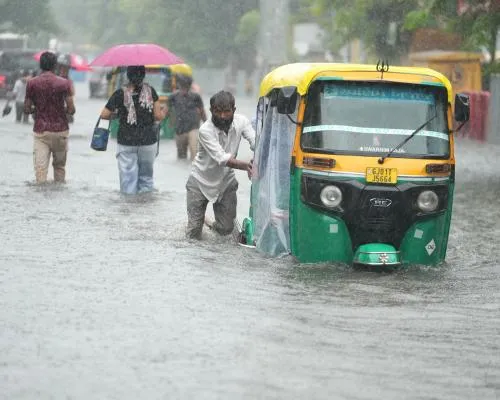 El Niño's Global Impact: UN Chief Warns of Worsening Climate Crisis
UN Secretary General António Guterres warns that a strengthened El Niño weather system, exacerbated by the ongoing climate crisis, could push global temperatures and weather patterns into uncharted territory.
-
 Wisconsin Experiences Rare Tornado and Meteotsunami; Global Weather Patterns Show Concern
Wisconsin faces rare weather phenomena as a powerful tornado and meteotsunami strike the region, while global weather systems show concerning trends of intensified tropical cyclones and prolonged heatwaves.
-
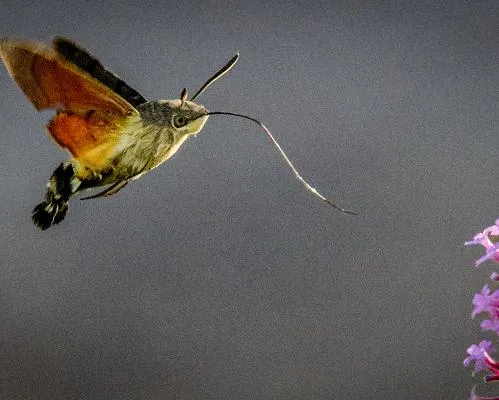 Hummingbird Hawk-moths Surge in UK Gardens Amid Hot Weather and Strong Winds
A surge in hummingbird hawk-moth sightings across the UK is being attributed to warm weather and strong winds, leading experts to predict a promising summer for these unusual insects.
-
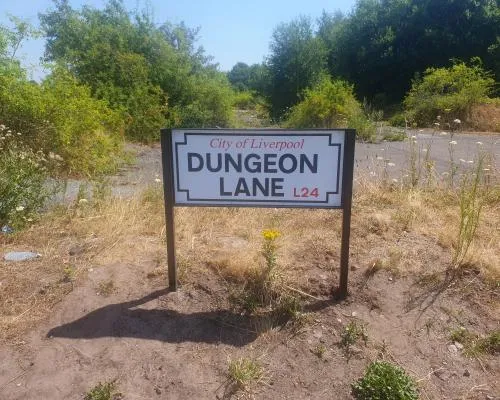 A Nostalgic Journey Through Dungeon Lane
Tourists are visiting Liverpool to explore the inspiration behind Paul McCartney's new album, but the area also holds historical significance and natural beauty.


