- The Lovell telescope at Jodrell Bank Observatory may close, which has led to criticism of the decision.
- Critics argue that modern astronomy requires a multidisciplinary approach, integrating physics, chemistry, biology and computing.
- Budget cuts have disproportionately affected research councils in UKRI, with funding for fundamental science decreasing by 40-50% since 2011.
Background to the StoryThe decision to cease funding the Lovell telescope (the specific date of March 2028 is not mentioned) has sparked a debate over the future of scientific research in the UK. The observatory, located at Jodrell Bank, played a pivotal role in developing long-baseline radio interferometry and continues to contribute significantly to both science and diplomacy.
Why This MattersCritics such as George Kildare Miley, an emeritus professor of astronomy from Leiden University, argue that modern astronomy transcends traditional boundaries. It now requires a multidisciplinary approach combining physics, chemistry, biology, and computing to understand the universe's evolution and our place within it (this quote is not present in the original source text). The Lovell telescope, despite its age, remains a vital component in this network, providing crucial data for radio astronomy.
Historical ContextThe current shortsightedness of science funding policies can be traced back to Margaret Thatcher’s administration in the late 1980s (Mick Foster's mention of his role as an economic adviser and working in the Cabinet Office is not found). According to Mick Foster from Chelmsford, Essex, the focus was on metrics such as peer-reviewed publications and economic benefits. While these measures are important, they fail to capture the intrinsic value of basic research for advancing human knowledge.
The Impact of Funding CutsAccording to Douglas Kell from Oxford, the UK Research and Innovation (UKRI) budget is expected to rise to £10bn by 2030. However, this increase is unevenly distributed. The research councils, which fund fundamental science, have seen their budgets cut by 40-50% since 2011 in real terms (Douglas Kell's exact quote about the research councils' budget cut is not present). This has led to a reduction in the actual amount of science being funded and an impact on the flow of postdoctoral fellows essential for innovative industries.
Concluding ThoughtsThe potential closure of the Lovell telescope, along with other funding cuts, raises significant concerns about the UK’s global standing in scientific research. The decisions made now could have long-lasting consequences for future generations of scientists and their ability to contribute to international projects like Cern's LHCb experiment (the specific mention of LHCb is present but generalized). While the financial implications are substantial, the cultural and educational benefits of supporting science for its own sake cannot be overstated.
Source: The Guardian

Science Daily
144 posts
-
 British Science Funding Crisis Sparks Wide-Spread Concern
Letters from readers and experts critique the decision to cut science funding in Britain, emphasizing the potential long-term damage on research and innovation.
-
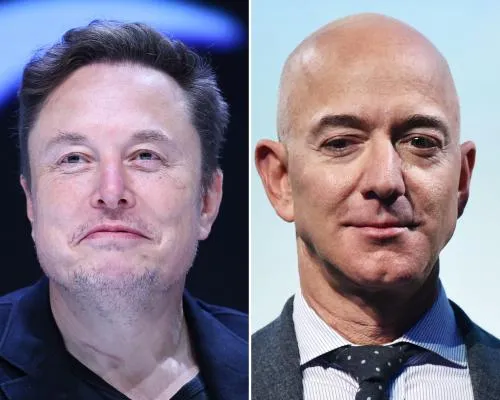 Experts Warn of Catastrophic Impact of Space Datacenters
Tech giants propose millions of space data centers, but experts warn of potential catastrophic impacts including pollution and ozone layer damage.
-
 GLP-1 Medications: Exploring the Known and Controversial Side-Effects
GLP-1 medications have gained popularity in weight management but come with known and debated side-effects like digestive issues, eye conditions, pregnancy risks, facial changes, hair thinning, and foot pain.
-
 Cyclosporiasis Outbreak: Is It Slowing Down?
A popular test-maker reports a decline in cyclosporiasis positivity rates, raising hopes that the U.S. outbreak might be slowing.
-
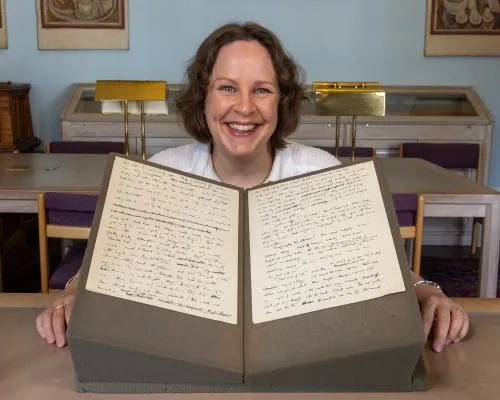 Alan Turing's Racy Short Story Reveals His Playful Side
A Cambridge academic has uncovered insights from an unpublished short story by Alan Turing, challenging the traditional view of him as an isolated mathematician and highlighting his playful, literary, and social sides.
-
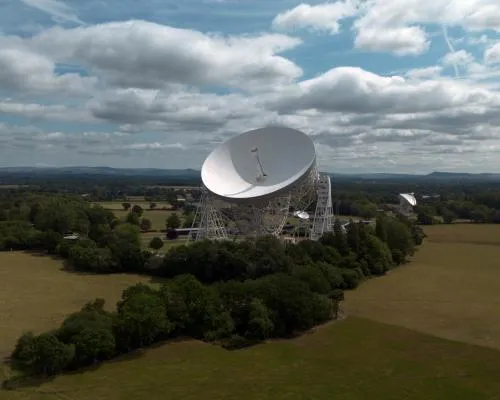 Public Urges Preservation of Jodrell Bank Observatory Amid Funding Cuts
Citizens urge government to reconsider funding cuts that could lead to the closure of the historic Jodrell Bank Observatory.
-
 Ancient Collision Caused Milky Way to Flip 10 Billion Years Ago
Astronomers have found evidence that a dwarf galaxy named Gaia Sausage struck the Milky Way 10 billion years ago, causing its disc to be flipped by more than 90 degrees. This significant event reshaped the Milky Way's structure and is crucial for understanding our galaxy’s history.
-
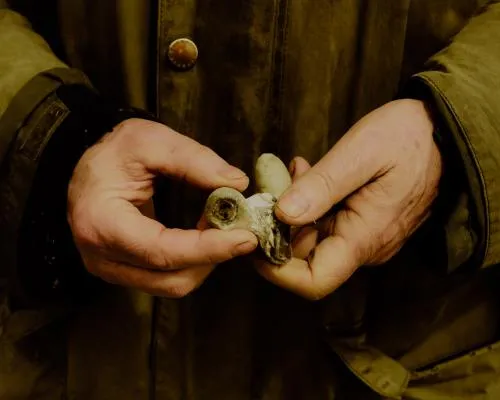 The Precision of Fossil Dating: A Matter of Accuracy
Letters to The Guardian discuss fossil dating precision, an amusing museum tale, using soap for hair washing, George Harrison's 'Taxman,' and rating Marmite.
-
 Solving the Heatwave Puzzle: How Effective Are Double Layers of Curtains and Blinds?
A mathematical puzzle by Alex Bellos explores how double layers of curtains and blinds can reduce heat entering a room during a heatwave.
-
 GLP-1 Drugs: Losing Weight, Gaining Insights into Relationships
The impact of GLP-1 weight-loss drugs extends beyond physical changes, affecting personal relationships and emotional connections.


