- Increased use of drones has led to more shark sightings on US beaches.
- Experts suggest that fear from these reports might be exaggerated as shark attacks remain rare.
- Investment in shark monitoring technology raises questions about its effectiveness and necessity.
More Shark Sightings, More Drones
In recent years, there has been a notable increase in the use of drones to monitor sharks at US beaches. States like New York have invested significant funds to deploy these technologies, with Governor Kathy Hochul announcing a $1 million commitment for shark surveillance.
While more sharks may be spotted due to increased monitoring efforts, experts argue that this does not necessarily indicate an actual increase in the shark population. The number of unprovoked shark bites worldwide has even decreased slightly from its recent average, according to data from the Florida Museum of Natural History. For instance, in 2025, there were 65 unprovoked shark bites worldwide, fewer than the most recent 10-year average of 72.
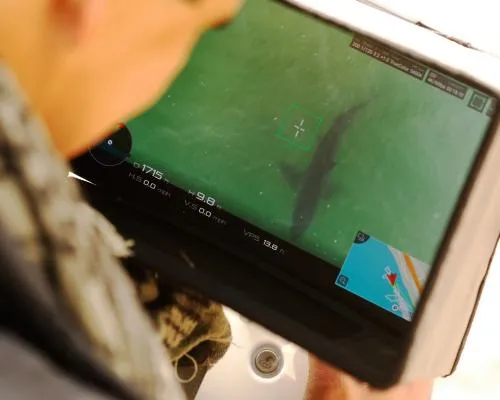
Experts say that despite recent increased investment in drones to monitor for sharks in states like New York, the machines have limited usefulness as a public safety tool. According to Chris Lowe from California State University, Long Beach, while drones are effective at spotting sharks on the surface and are cheap, easy to use, and can cover lots of space, they struggle with poor visibility conditions.
Dr. Greg Skomal, a senior fisheries scientist with the Massachusetts division of marine fisheries, warns that while there might be more reports of sharks, this could stem from heightened awareness rather than an actual rise in shark numbers. 'The number of sharks may not have increased, but certainly the fear factor can go up,' he said.
In Australia, the New South Wales government also recently announced a $34 million initiative to expand its shark monitoring programs. Drones are effective at spotting sharks on the surface and are cheap, easy to use, and cover lots of space, according to Lowe. However, if visibility is bad, a shark can literally be 5 feet below the surface, and you can’t see them.
Alongside drones, Lowe’s lab staff has tagged sharks and installed acoustic receivers along the beaches. 'When a tagged shark gets within about 300 or 400 yards of one of those underwater receivers, the receiver will log the time, the date, and the ID of the shark,' Lowe explained. The lab shares that information with local authorities.
The ultimate result could be a spiral: governments receive more reports of shark sightings, so they purchase more drones, which then spot more sharks. ‘The truth of the matter is, the number of sharks may not have increased, but certainly the fear factor can go up,’ said Skomal from Massachusetts.
In New York state, Governor Kathy Hochul announced that the state would increase lifeguard staffing by 25% through overtime and purchase additional drones to watch the ocean. In 2023, on Shark Awareness Day, she also announced a $1 million commitment to purchase drones and train staff to use them. The state then deployed drones.
In Australia, the New South Wales government also recently announced a $34m initiative to expand its shark monitoring programs. Drones are effective at spotting sharks on the surface and are cheap, easy to use, and cover lots of space, according to Chris Lowe from California State University, Long Beach. 'The problem is, if visibility is bad, a shark can literally be 5ft below the surface, and you can’t see them,' Lowe said, noting that alongside the drones, his lab staff has tagged sharks and installed acoustic receivers along the beaches.
Notably, since drones can't spot all sharks, they can also provide the public a false sense of security, Skomal said, adding: 'I think that is why many municipalities don’t invest in drones.'
Source: The Guardian

Green News
233 posts
-
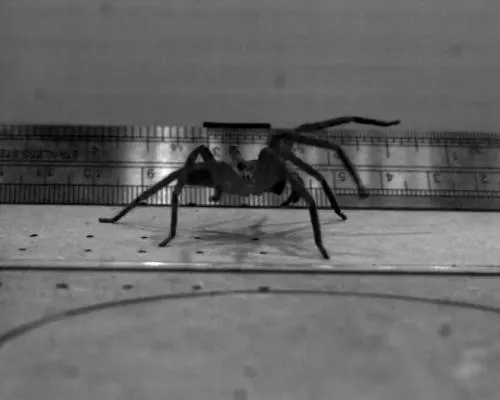 Australian Huntsman Spider Discovered to Be One of Fastest Spiders on Earth
An Australian huntsman spider has been found to be one of the fastest species among more than 250 analyzed by scientists, reaching peak speeds far surpassing other spiders.
-
 Mizoram’s Bamboo Flowering: A Repeated Crisis for Farmers
Mizoram faces repeated ecological crises as bamboo forests flower every few decades, leading to rodent outbreaks and significant crop damage.
-
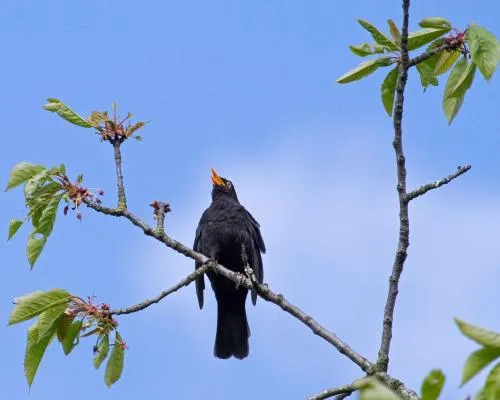 Nature's Melodies: Blackbirds and Their Unusual Performances
Readers share fascinating tales of blackbirds mimicking human music and sounds, including scales, concertos, and even typewriters.
-
 Gray Whales Face Dire Struggle Due to Climate Change and Human Threats
Gray whales are facing a catastrophic decline due to climate change and human activities, with their population halving in recent years.
-
 Sizewell B Nuclear Plant Gets 20-Year Extension
Sizewell B nuclear plant receives a 20-year extension, part of a broader strategy by the UK government to increase nuclear power as renewable energy capacity expands.
-
 UK Waters Grapple with Extreme Heatwave Amid Global Marine Warming
UK waters are experiencing an extreme marine heatwave, as global sea temperatures reach record levels, raising concerns about potential mass-mortality events for marine species.
-
 A Birdwatcher's Delight: Yellowhammers Sing in Suffolk’s Summer Heat
A cyclist explores Suffolk’s summer heatwave and discovers an unexpected abundance of yellowhammers.
-
 Oil Companies Expanding Production Amidst Severe Heat Waves
Oil companies are increasing production despite the urgent need to reduce fossil fuel use, exacerbating climate change and threatening ecosystems worldwide.
-
 Europe Tackles Persistent Heat Wave as Typhoon Bavi Menaces Pacific
Europe faces a new wave of heat as Spain, Portugal, France and parts of the UK experience unusually warm temperatures, while Super Typhoon Bavi devastates the north-western Pacific.
-
 Climate Action: A Call for Responsibility Across All Nations
The article discusses the need for all nations, particularly smaller ones with high per capita emissions, to take responsibility for climate action.


