- Australia's discipline and tackle intensity faltered under pressure against France.
- France introduced powerful players from the bench, significantly boosting their performance.
- The Wallabies' gap in player quality may hinder their success at the upcoming World Cup.
Key Factors in Australia's Defeat
Australia's 42-26 loss to France at the Nations Championship showcased a dramatic shift in momentum during the second half. Despite leading 21-12 at halftime, Joe Schmidt's team struggled as their discipline and tackle intensity deteriorated under pressure from the French. The camera found Joe Schmidt shortly after France had completed a 22-point swing. Australia’s coach had seen a 21-12 half-time lead obliterated in 16 brutal minutes. Schmidt, one of rugby’s sharpest minds, looked short of answers. The trouble was that the questions confronting him had obvious answers but almost impossible solutions. Why had Australia's discipline deteriorated? Because they were under pressure. Why had their tackle intensity and ruck speed fallen away? Because France had introduced fresh power from the bench.
The turning point in the match came when France introduced their powerful replacements from the bench. Players like Yoram Moefana and Romain Ntamack exploited the gaps left by Australia's forward lines, scoring crucial tries with ease. These substitutes were a stark contrast to Australia’s best players. For example, during one sequence, Florian Verhaeghe finished a third try after a series of straight carries, quick ball, and defenders being forced into increasingly desperate decisions.
The French approach was simple yet effective. They used their size advantage to break through Australia's defenses, creating opportunities that their opponents struggled to match. This stark contrast highlighted the gap in quality between the teams, especially when key Australian players left the field.
The Road Ahead for Australia
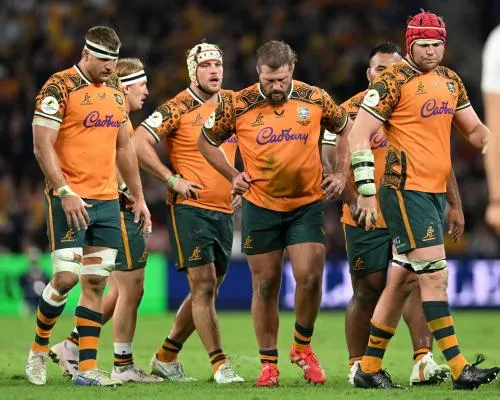
With the World Cup looming at home, Schmidt faces a difficult challenge. He must decide whether to continue playing with a more aggressive and risky style or recalibrate his strategy to better utilize their strengths. However, both options present significant challenges given France’s dominant display. The upcoming World Cup will be crucial for Australia's future in rugby. A strong showing could reignite public support, while poor performance might see the team lose fan favor permanently.
Schmidt and Les Kiss must find a way to bridge this gap in player quality if they are to succeed at the highest level. The current situation is not sustainable; it has led Australia's 42-26 Nations Championship defeat by France, their sixth consecutive loss, to feel like a distant high-water mark. The bleakness of the result was sharpened by the promise of the first half.
In the first half, Brandon Paenga-Amosa scored from a clever short lineout and a quick recycle after replacing Josh Nasser early. Fraser McReight burrowed over twice, first after the Wallabies chose a scrum while Emmanuel Meafou was in the sin-bin, then at the back of a maul marshalled by the impressive Josh Canham. Rob Valetini provided the most obvious attacking direction. He melted Théo Attissogbe in one first-half carry and drew the high tackle that sent Meafou to the bin. Tom Wright found a wind-assisted 50-22.
For 40 minutes, there was enough heft, accuracy, and good fortune to make Australia appear capable of landing another blow against a heavyweight. Then France unloaded their heavies from the bench. In this particular arms race, Australia arrived with a six-shooter and France brought a bazooka. Yoram Moefana broke three tackles to launch one score. Romain Ntamack identified James Slipper defending the blindside and accelerated through the mismatch for another. Florian Verhaeghe finished a third after a sequence built on straight carries, quick ball, and defenders being forced into increasingly desperate decisions.
It was not Harlem Globetrotter rugby. France simply kept applying weight until Australia buckled. The contrast became painfully clear when Valetini left the field. Soon afterwards, Nick Champion de Crespigny spilled Australia’s best attacking opportunity of the second half in contact. That is not to blame a replacement asked to fill the boots of one of the world's best forwards but to underline the problem.
France removed giants and introduced more giants. Australia lost Valetini and became a lesser team. So what happens now? Schmidt moves aside after next week and Les Kiss inherits a group capable of troubling almost anyone but not yet equipped to withstand the best teams for 80 minutes. He can improve their shape, sharpen their attack and perhaps squeeze more from a limited player pool. But the same questions will linger.
Do Australia continue trying to play like a heavyweight without heavyweight depth? Or do they recalibrate and lean more into a game built around their speed, breakdown threats and willingness to embrace a little chaos? That may work occasionally, but it isn’t cutting it against the top sides. The home World Cup is approaching quickly enough that these are no longer abstract questions. Plucky defeats decorated with patches of excellence will not cut it. Nor will the familiar insistence that the Wallabies are closer than the scoreboard suggests.
Australian rugby has spent years asking the public to believe in signs of progress. Next year it must offer something more tangible. If the Wallabies stink the place out at their own World Cup, the damage will stretch beyond another early exit. A generation already accustomed to looking elsewhere may decide this team no longer deserves its love. And from there the road back could be longer than any coach, however clever, knows how to travel.
Source: The Guardian

Sports Update
435 posts
-
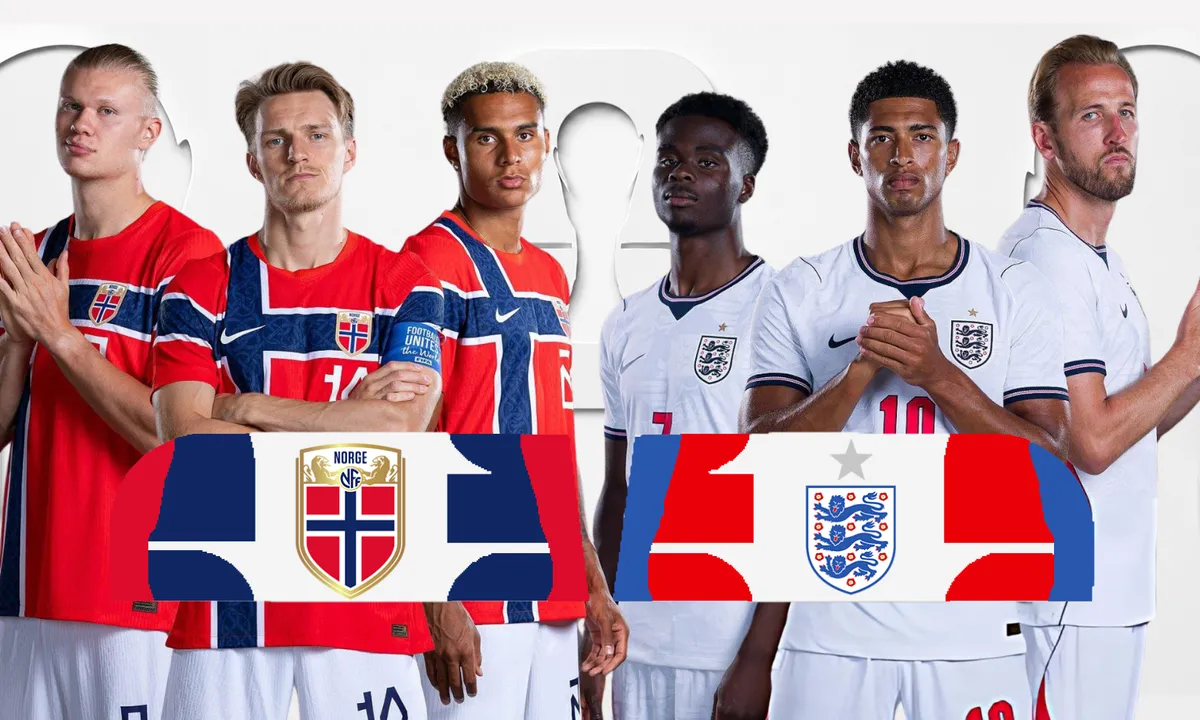 5 điểm nhấn về tương quan trước trận Na Uy - Anh
Với Erling Haaland và các đồng đội đang hướng đến lần đầu tiên vào bán kết World Cup, trận đấu với Anh sẽ là thử thách lớn. Đánh giá từ chuyên gia Carragher về sự toàn diện của Kane so với Haaland, Solbakken - ánh sáng màu xanh
-
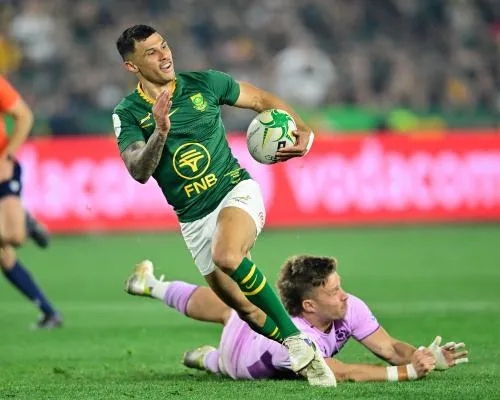 South Africa Dominates Scotland in Nations Championship Clash
South Africa defeated Scotland 42-28 in a Nations Championship match despite Scotland's early attempts to level the score.
-
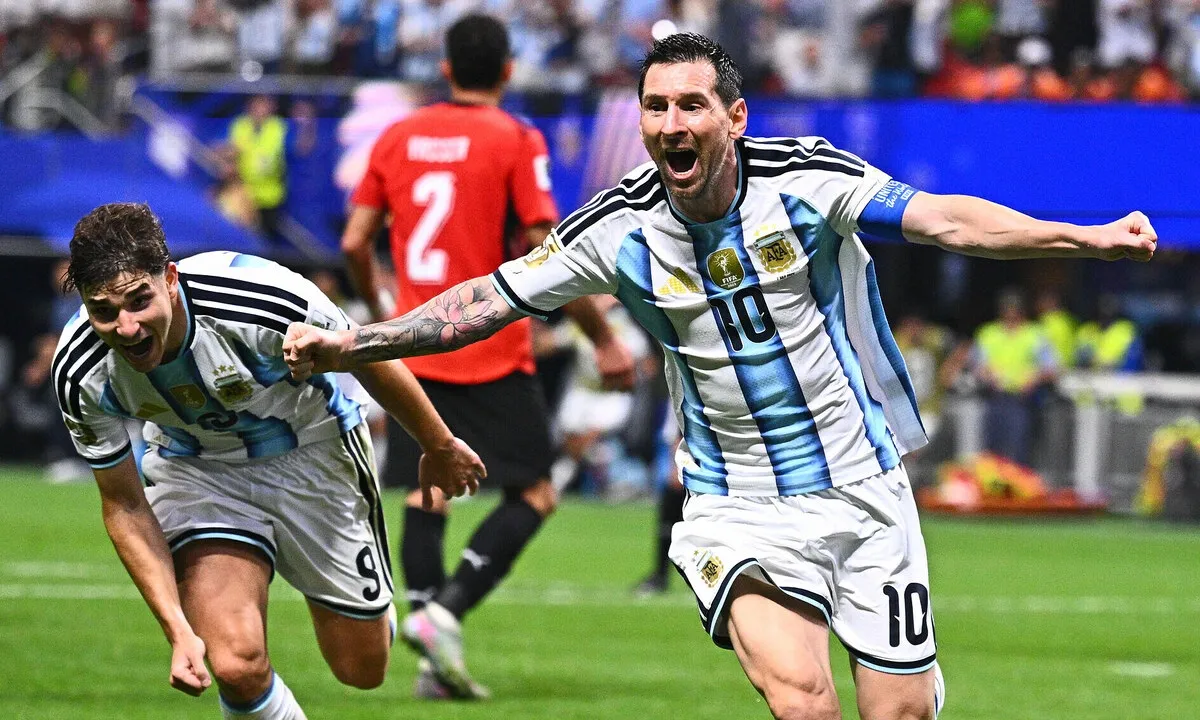 Mario Kempes bác bỏ cáo buộc Argentina được lợi từ quyết định gây tranh cãi
Huyền thoại bóng đá Mario Kempes chia sẻ quan điểm về những tranh cãi xung quanh Argentina tại World Cup 2026 và nhấn mạnh sức mạnh tập thể.
-
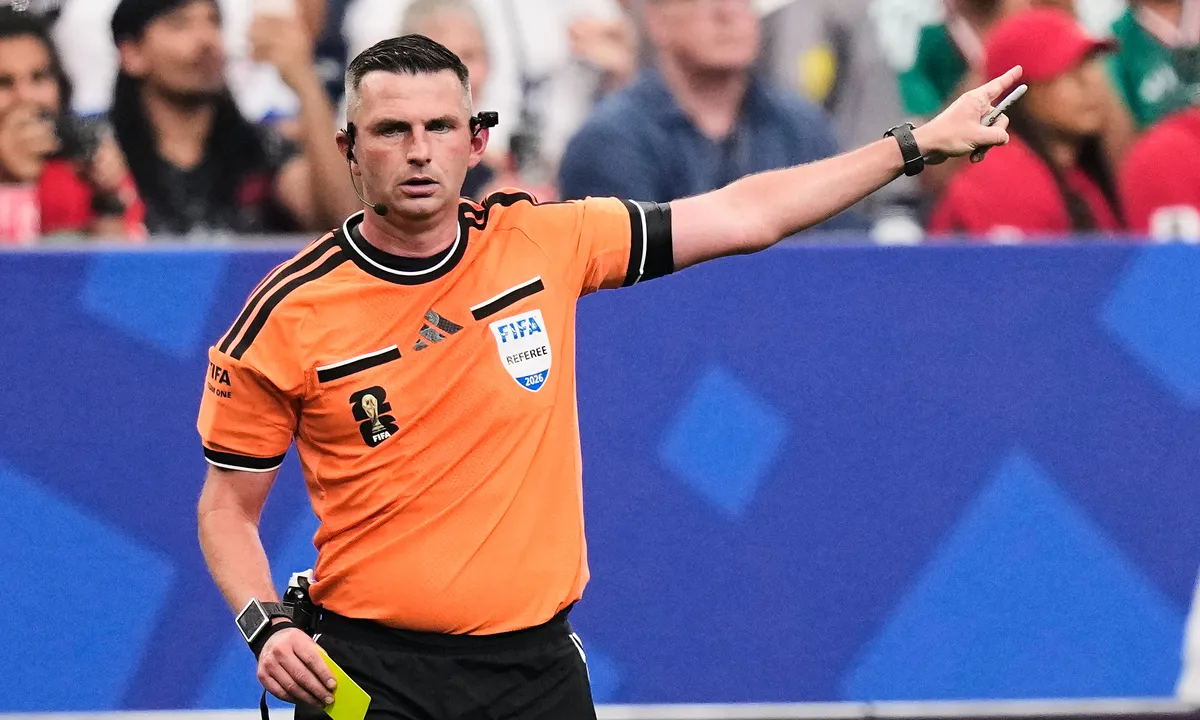 Vì sao lịch sử xung đột ngăn cản trọng tài Anh điều hành các trận của Argentina tại World Cup
Bài viết phân tích nguyên nhân lịch sử dẫn đến tình trạng trọng tài Anh không được điều hành các trận có Argentina tại World Cup và xu hướng của FIFA trong việc cân nhắc phân công trọng tài.
-
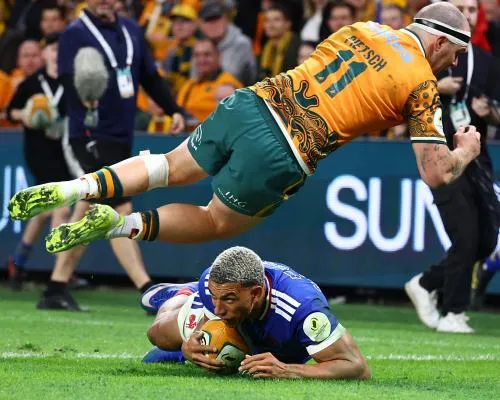 France Clinches Overwhelming Victory Against Australia in Nations Championship
France dominated in the second half against Australia, securing a significant victory in the Nations Championship with a final score of 42-26.
-
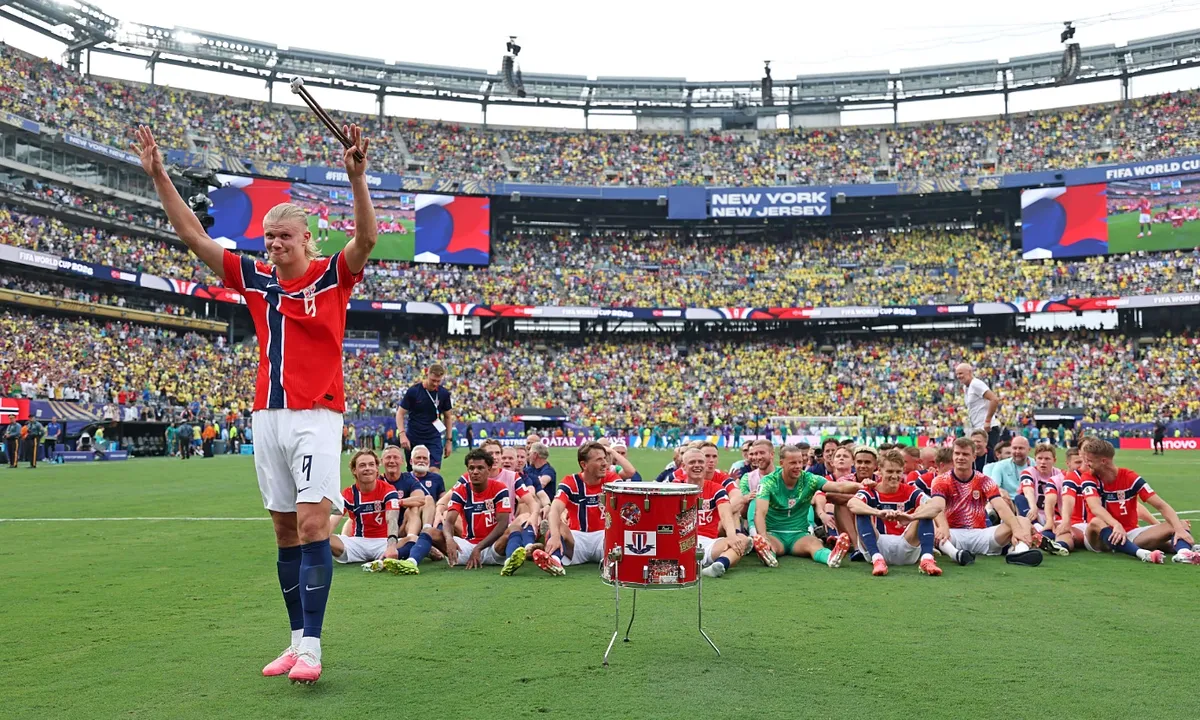 Triết lý đào tạo Na Uy: Erling Haaland và kỳ tích tại World Cup 2026 (3)
Nhiều cầu thủ Việt Nam cũng từng học theo mô hình đào tạo đa dạng như Na Uy, điển hình là tiền vệ Nguyễn Quang Hải và thủ môn Bùi Tiến Dũng.Tình huống đột phá…
-
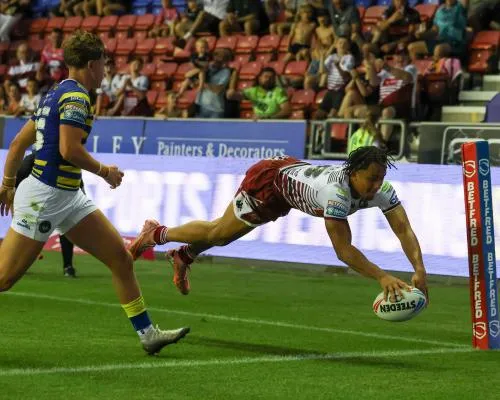 Wigan's Youth Talent Overcomes Adversity to Triumph Against Warrington
Wigan Warriors overcame a 12-point deficit and an injury crisis to defeat Warrington Wolves, with key performances by academy players highlighted.
-
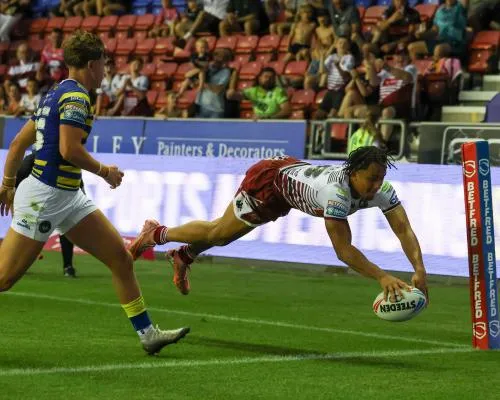 Wigan Overcomes Adversity to Beat Warrington
Wigan Warriors overcame an injury crisis and racial abuse allegations to beat title rivals Warrington Wolves with a 30-18 come-from-behind win.
-
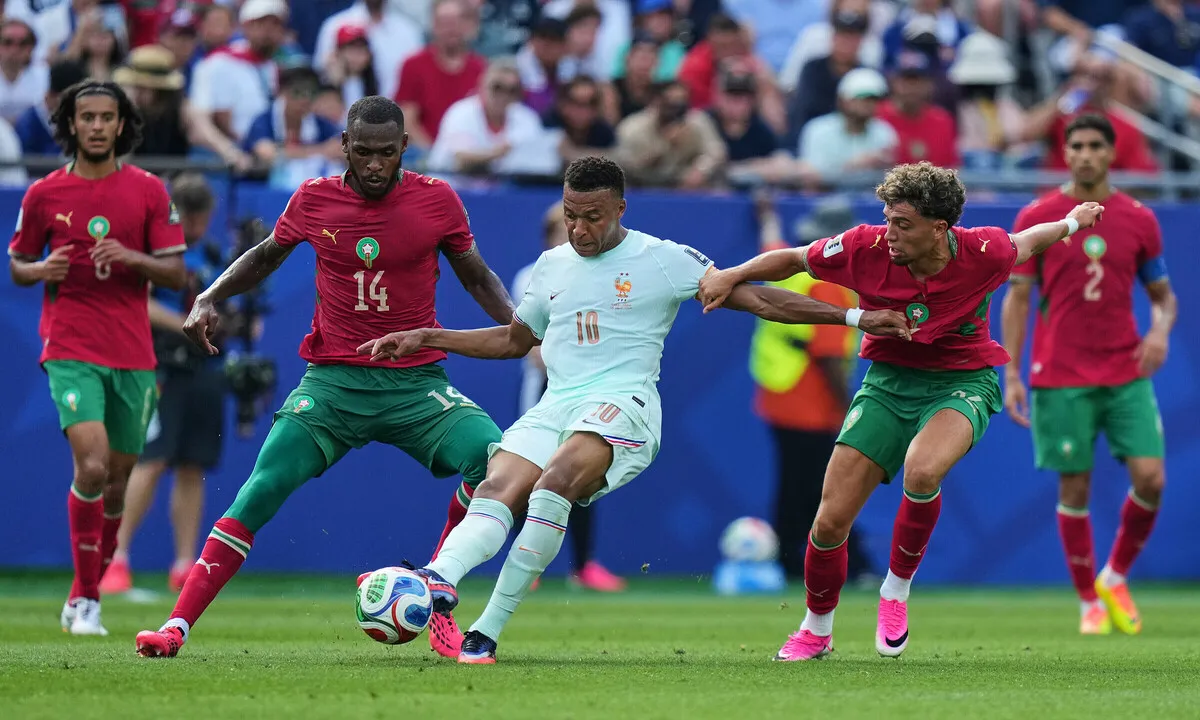 99/161 Cầu Thủ Thế Giới Sinh Ra Tại Pháp Tham Gia World Cup 2026 - Paris, Thủ Đô Mới Của Bóng Đá
Paris trở thành trung tâm sản xuất tài năng lớn nhất của bóng đá thế giới với số cầu thủ sinh ra tại đây tham gia World Cup 2026 nhiều nhất, phản ánh sự toàn cầu hóa ngày càng mạnh của bóng đá hiện đại và sức hút đặc bi??
-
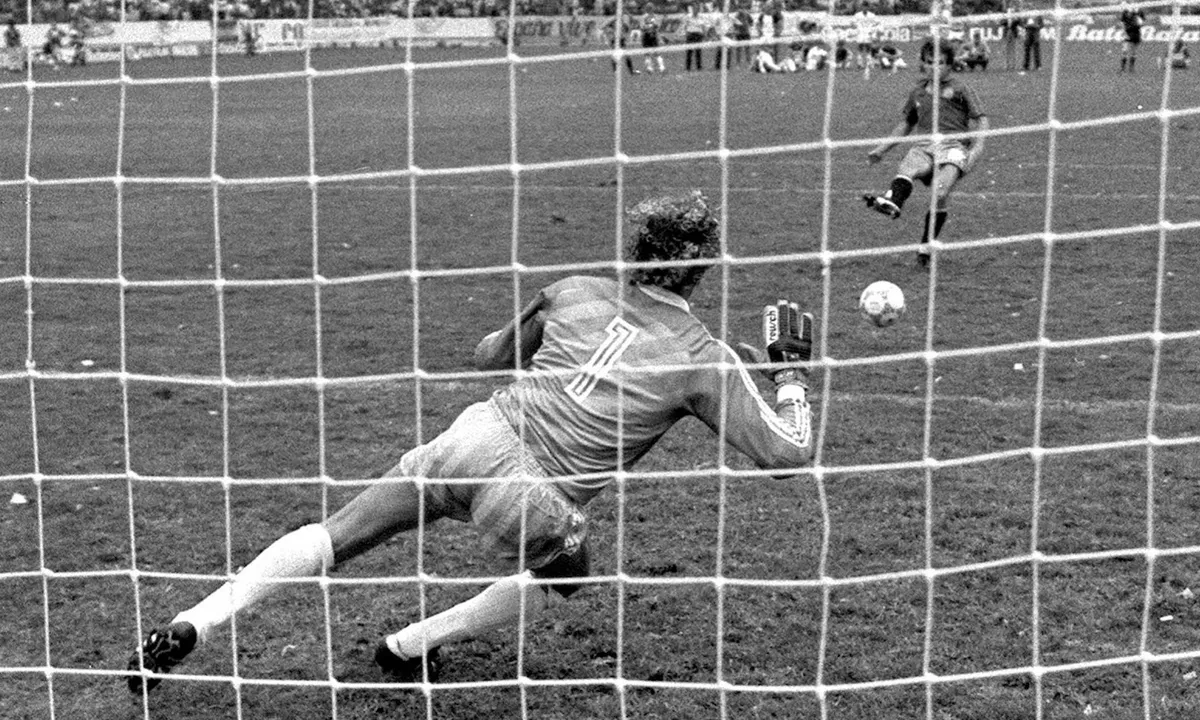 Hai trận đấu quyết định của Tây Ban Nha và Bỉ tại World Cup
Tây Ban Nha và Bỉ đối đầu nhau tại vòng tứ kết World Cup 2026, hai đội bóng với lịch sử đầy thách thức. Phân tích từ các chuyên gia và người hâm mộ Việt Nam.


