Australian Huntsman Spider Discovered to Be One of Fastest Spiders on Earth

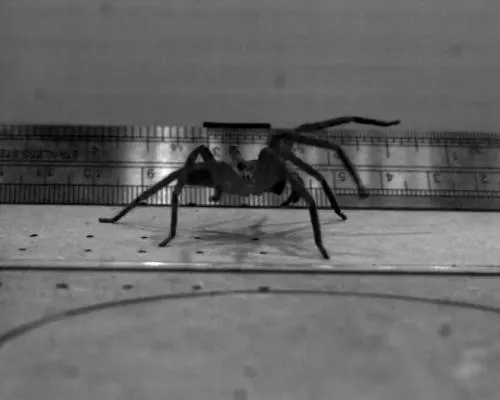
- The brown huntsman spider, Heteropoda jugulans, was found to be the fastest among more than 250 species analyzed.
- Reaching a peak speed of 3.59 meters per second (13km/h or 8mph), it surpasses the Moroccan flic-flac spider’s recorded speed by almost double.
- The study involved scientists from the UK and Germany, who measured speeds using cameras and gridded paper as running tracks.
- While huntsman spiders are common in Queensland homes, they rarely bite humans and when they do, the effects are mild.
Discovery of Speedy Huntsmans
A recent study has identified a brown huntsman spider as one of the fastest species on Earth. Scientists from the UK and Germany conducted an extensive analysis of more than 250 spider species, revealing that the humble Heteropoda jugulans can reach peak speeds of 3.59 meters per second (13km/h or 8mph). This finding far surpasses the Moroccan flic-flac spider's recorded speed by almost double.Methodology and AnalysisThe researchers collected 162 different spider species from locations including London, Greifswald in Germany, North America, southern Europe, and Australia. They utilized high-speed cameras and gridded paper to measure the spiders' running speeds accurately. The study also included other research supervised by Dr. Christofer Clemente of the University of the Sunshine Coast, who was interested in understanding the unique locomotion methods employed by spiders.Unique Spider LocomotionAccording to Clemente, while huntsman spiders may not move using just muscle, they rely on a combination of muscles and hydraulic pressure to extend their limbs. This method of movement is fundamentally different from that used by other animals. The brown huntsman spider, which lives along Australia's east coast and can be commonly found in Queensland homes, measures about the size of a hand. Despite its venomous nature, it rarely bites humans, with mild effects if one does occur.Speed and Ecological ImplicationsThe study revealed that running speed plays a crucial role in how spiders interact with their environment, disperse, and occupy ecological niches. While the brown huntsman's peak speed was 3.59 meters per second, its average sustained speed was closer to 2 meters per second. Dr. Jonas Wolff from the University of Greifswald, who led the new research, noted that larger spiders do not necessarily run faster than smaller ones and that there is a body mass threshold beyond which running speeds decrease due to mechanical constraints in muscle physiology.Source: The Guardian
Green News
232 posts
-
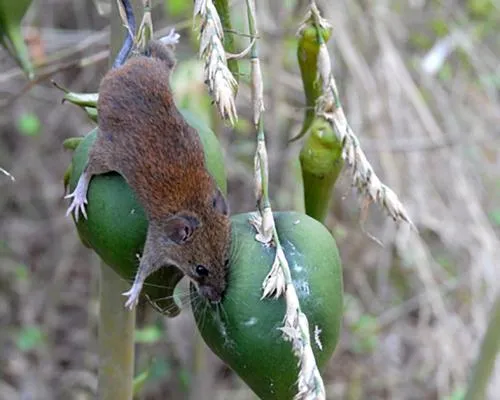 Mizoram’s Bamboo Flowering: A Repeated Crisis for Farmers
Mizoram faces repeated ecological crises as bamboo forests flower every few decades, leading to rodent outbreaks and significant crop damage.
-
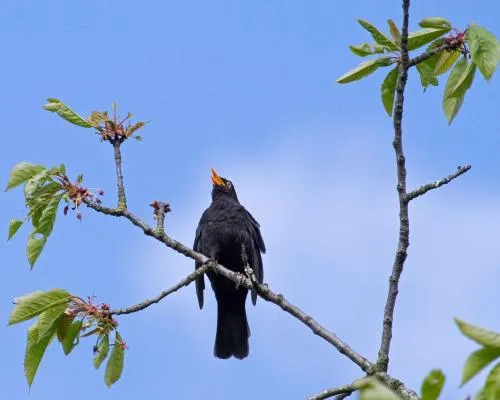 Nature's Melodies: Blackbirds and Their Unusual Performances
Readers share fascinating tales of blackbirds mimicking human music and sounds, including scales, concertos, and even typewriters.
-
 Gray Whales Face Dire Struggle Due to Climate Change and Human Threats
Gray whales are facing a catastrophic decline due to climate change and human activities, with their population halving in recent years.
-
 Sizewell B Nuclear Plant Gets 20-Year Extension
Sizewell B nuclear plant receives a 20-year extension, part of a broader strategy by the UK government to increase nuclear power as renewable energy capacity expands.
-
 UK Waters Grapple with Extreme Heatwave Amid Global Marine Warming
UK waters are experiencing an extreme marine heatwave, as global sea temperatures reach record levels, raising concerns about potential mass-mortality events for marine species.
-
 A Birdwatcher's Delight: Yellowhammers Sing in Suffolk’s Summer Heat
A cyclist explores Suffolk’s summer heatwave and discovers an unexpected abundance of yellowhammers.
-
 Oil Companies Expanding Production Amidst Severe Heat Waves
Oil companies are increasing production despite the urgent need to reduce fossil fuel use, exacerbating climate change and threatening ecosystems worldwide.
-
 Europe Tackles Persistent Heat Wave as Typhoon Bavi Menaces Pacific
Europe faces a new wave of heat as Spain, Portugal, France and parts of the UK experience unusually warm temperatures, while Super Typhoon Bavi devastates the north-western Pacific.
-
 Climate Action: A Call for Responsibility Across All Nations
The article discusses the need for all nations, particularly smaller ones with high per capita emissions, to take responsibility for climate action.
-
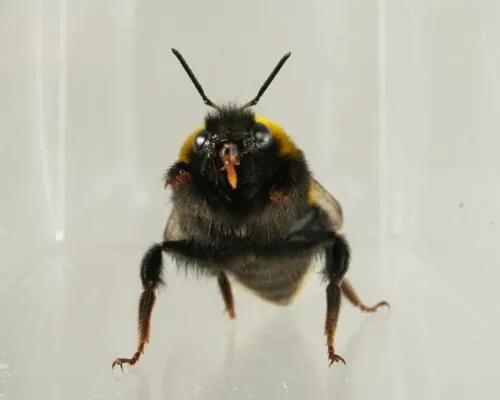 Bees Show 'Liking' and 'Disliking' Reactions: New Study Suggests Inner Lives for Insects
A new study reveals bumblebees exhibit 'liking' or 'disliking' behaviors when tasting different substances, suggesting their responses may reflect inner states similar to those in mammals.


