- Merlin app users can now contribute real-time bird species data to eBird database.
- The integration aims to enhance conservation efforts and population monitoring of birds.
- Cornell Lab for Ornithology plans to connect Merlin detections directly to the eBird platform.
Key Changes in Merlin App
The Cornell Lab for Ornithology has announced a significant update to its popular Merlin bird identification app, enabling users to contribute real-time data on bird species sightings and sounds. This feature will allow users' observations to be automatically uploaded to the global eBird database, which contains over 2 billion records of bird sightings. The integration aims to provide valuable information for conservation efforts and population monitoring.
Impact on Bird Population Monitoring
In the UK, the total bird population has fallen by more than 70 million birds since the 1970s, according to the British Trust for Ornithology. Merlin app data can offer insights into these changes, especially when combined with eBird records. Jessie Barry, a leader of the Merlin project, highlights that this new feature will make it easier to monitor bird populations and create tools for further conservation efforts.
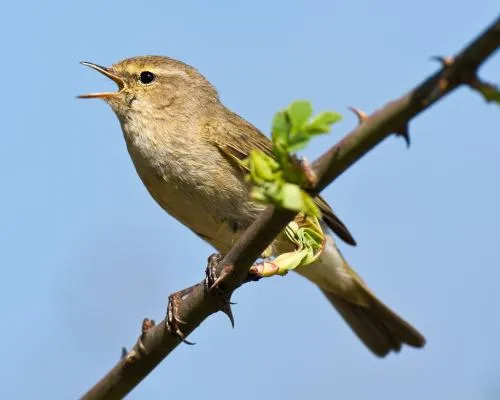
The UK has seen significant declines in bird populations over the past few decades. A Guardian-created audio soundscape recreates the abundance of birdsong the public would have heard in 1976, contrasting with today's more muted environments. In May this year, almost 2 million people in the UK used Merlin to identify birds in their gardens, woodland, and countryside.
User Experience and Data Quality
Since 2021, the free Merlin app has been using machine learning to provide an almost instantaneous sound-identification service for birdsong. Currently, it can identify around 2,066 species, including most birds in the US, Canada, and Europe, as well as more common and widespread species in India and across Central and South America. Jessie Barry mentioned that the app is always an ongoing project to collect additional species. There are a few they would like to add but they are continually improving the performance of the models.
The app has been downloaded over 40 million times in 240 countries, up from 33 million downloads as of December last year. Britain has the second highest total number of users, with almost 2 million on the app in May this year. Canada, Germany, France, Spain, and the Netherlands are among the top 10 countries with the highest numbers using the app.
The Merlin app is cited by some as an opportunity to connect more people to nature and help enhance conservation work. But there are concerns that the app can misidentify birds. The European Bird Census Council recommends not using Merlin in official breeding bird surveys, and it has set up a monitoring group to coordinate, align, and integrate acoustic bird monitoring across Europe.
Moira Forsyth, a Merlin user who lives in the Muir of Ord in Scotland, said she uses the app along with other forms of identification. 'We have been astonished to discover we had a much wider range of birds here than we thought,' she said. 'Armed with the app, the RSPB book of Scottish birds, my trusty old copy of Collins Complete British Wildlife and the binoculars we keep on the kitchen windowsill, we are getting a bit better at this.'
Future Prospects and User Feedback
Prof Richard Gregory of the RSPB praised the increasing popularity of the app but also highlighted potential issues, such as its occasional misidentifications. 'It is super-positive that it is increasing in popularity and use, especially to a new, wider, and different group of people,' he said. 'Everywhere I go, I see people are using Merlin, connecting with nature and learning their birds, becoming more curious to know more. Fantastic – a revolution.' However, Gregory warned that the app still made mistakes in identification and had once identified his dachshund as a mallard.
Jessie Barry said research teams who regularly use these types of data sources would address challenges with the data quality. 'Our ability to understand changes in bird populations will be better served with more data to work with than if we don’t collect it at all,' she stated. The integration of Merlin data into eBird represents a significant step forward in bird conservation and population monitoring.
Conclusion
While there are concerns about data quality, the collaboration between citizen science initiatives and professional scientific projects promises to provide a more comprehensive understanding of avian biodiversity. As users continue to contribute their observations, this partnership will likely yield valuable insights for ecological management strategies and public engagement with nature.
Source: The Guardian

Green News
215 posts
-
 National Park Crisis Looms as Visitation Soars
The ancient groves of giant sequoias in Yosemite National Park provide a tranquil setting. However, the increasing number of visitors has put significant…
-
 Europe Bakes as Record Heatwaves Grip Multiple Countries
Europe and parts of China experience record-breaking heatwaves as June temperatures soar across multiple countries.
-
 A blackbird with a taste for musicals
Letter: Jane Horne wonders if other readers hear well-known tunes in blackbird song
-
 Heatwave Hampers US Celebrations and World Cup Events
A heatwave exacerbated by climate change threatens US celebrations and international sports events this weekend.
-
 Donald Trump may be the accidental hero of a feelgood climate tale even as a creeping horror story plays alongside
Even as we watch a deadly heatwave sweep through Europe, the US president’s ineptness has created reason for optimism on the climate crisis
-
 Brutal heatwave scorches eastern US ahead of Fourth of July weekend
National Weather Service warns heat index could reach 115F as heat grips midwest, Ohio valley and east coast
-
 A bargain price for reaching net zero in Britain
Letters: Dr Charlie Gardner says the public are vastly overestimating the cost of net zero. Plus letters from Moira Gommon and Diana Francis
-
 Defra breached law when it let farmers use bee-killing pesticide, watchdog says
Office for Environmental Protection finds failures by department when it granted emergency authorisation in 2023 and 2024
-
 Plans must be put in place before heatwaves – not cobbled together during them
Letters: Health professionals across Europe are calling for an EU climate and health strategy, write Mark Wilson and Dr Paul De Raeve; plus a letter from Nadine Henderson
-
 ‘I don’t just watch climate change happening’: the young Swedes being paid to make a difference
Participant-led YPS scheme creates green projects while providing summer jobs in country with high youth unemployment


