- Climate change is leading to a 'catastrophic mortality event' for Pacific gray whales, with their population nearly halving in recent years.
- Factors such as reduced sea ice affecting food sources, ship strikes, oil spills, and Indigenous harvesting are contributing to the die-off.
- Environmental groups have petitioned NOAA to relist the gray whale under the Endangered Species Act but face challenges from the Trump administration's policies.
- Experts warn that without intervention, thousands of whales could be lost in a short period.
Overview of Gray Whale Struggle
The current situation for gray whales is dire, with their population estimated to have dropped from 20,000 in 2019 to fewer than 13,000 as of this year. This dramatic decline has prompted environmental groups and scientists like Rick Steiner, an Alaska marine ecologist and board chair of Public Employees for Environmental Responsibility (Peer), to warn of a 'catastrophic mortality event' driven by multiple factors exacerbated by climate change.
Impact of Climate Change
The primary driver behind this crisis is the loss of food sources caused by diminishing sea ice around Alaska. According to Steiner, the stranding numbers for gray whales last year and this year are enormous compared to their annual average. Stranded whales exhibit signs of starvation, indicating the critical loss of their primary food source.
Other Contributing Factors

A range of other issues also play significant roles in the decline of the gray whale population. Ship strikes and oil spills are causing direct harm to whales, while microplastic pollution and algal blooms further disrupt their habitats. In Russia, Indigenous populations continue to hunt gray whales for what they claim is subsistence, though evidence suggests much of the meat is actually used as cattle feed.
Efforts to Save Gray Whales
Environmental groups have petitioned the National Oceanic and Atmospheric Administration (NOAA) to relist the gray whale under the Endangered Species Act. This would potentially alleviate some threats, but given the Trump administration's policies, such a move is unlikely. Steiner calls it 'a colossal mistake,' highlighting that the current state of the species is dire.
Future Prospects
The outlook for gray whales remains bleak unless immediate action is taken. The potential loss of thousands of whales in just two years underscores the urgency of addressing this issue. State and federal governments can act. A NOAA response to the petition to relist the gray whales under the ESA is due in about a month, and if the Trump administration ignores it or rejects the request, then Peer will sue.
Amidst the Crisis
The estimates are most dire for this year – somewhere between 2,500-8,000 whales are estimated to have died so far. Determining an exact number is difficult because marine biologists can only count the whales that are stranded.
The average annual number of gray whale strandings from 2006 to 2023 was 43, but rose to 179 in 2025. Through the first half of this year, 146 whale carcasses have been directly counted. Scientific literature estimates the ratio between unobserved, or sunk, mortalities offshore and observed mortalities onshore for gray whales is between 7-to-1 and 25-to-1.
The whales that wash up are emaciated, Steiner said, and the scientific consensus is that they are starving due to a loss of access to food sources driven by the dramatic reduction in sea ice around Alaska. While the whales have been resilient in the past, evidence points to a dire situation, as stated by David Weller, a NOAA marine biologist.
Some of the stranded cetaceans show signs of being struck by ships and their propellers, and Indigenous populations in Russia hunt the whales, killing up to 40 annually. The groups claim the hunt is for subsistence, but the whale meat is actually fed to cattle, Steiner said.
Additionally, the Trump administration is increasing oil drilling in the region, which creates more pollution and threats. State and federal governments can act. A NOAA response to the petition to relist the gray whales under the ESA is due in about a month, and if the Trump administration ignores it or rejects the request, then Peer will sue.
The second Trump administration has so far not listed an animal on the endangered or threatened list, and it has taken unprecedented steps to try to dismantle the ESA. Steiner said the science was clear on the issue, and the whales were 'immensely' popular in the US west, so he is hopeful that the gray whale will be the first listing.
“The gray whales are in dire straits, so hopefully they see that and this can be the first one they list,” Steiner said. California has implemented ship speed reduction zones in areas known to have higher gray whale concentrations, but similar measures are not yet in place in other regions due to industry opposition.
“If you lose thousands of whales in two years – that should concern everyone,” Steiner said.
Source: The Guardian

Green News
229 posts
-
 Sizewell B Nuclear Plant Gets 20-Year Extension
Sizewell B nuclear plant receives a 20-year extension, part of a broader strategy by the UK government to increase nuclear power as renewable energy capacity expands.
-
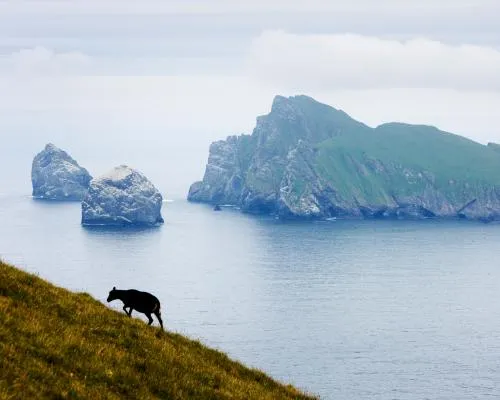 UK Waters Grapple with Extreme Heatwave Amid Global Marine Warming
UK waters are experiencing an extreme marine heatwave, as global sea temperatures reach record levels, raising concerns about potential mass-mortality events for marine species.
-
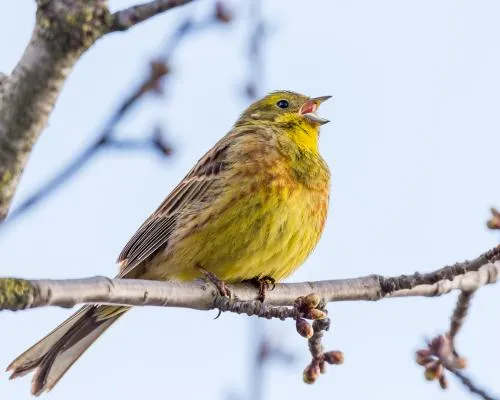 A Birdwatcher's Delight: Yellowhammers Sing in Suffolk’s Summer Heat
A cyclist explores Suffolk’s summer heatwave and discovers an unexpected abundance of yellowhammers.
-
 Oil Companies Expanding Production Amidst Severe Heat Waves
Oil companies are increasing production despite the urgent need to reduce fossil fuel use, exacerbating climate change and threatening ecosystems worldwide.
-
 Europe Tackles Persistent Heat Wave as Typhoon Bavi Menaces Pacific
Europe faces a new wave of heat as Spain, Portugal, France and parts of the UK experience unusually warm temperatures, while Super Typhoon Bavi devastates the north-western Pacific.
-
 Climate Action: A Call for Responsibility Across All Nations
The article discusses the need for all nations, particularly smaller ones with high per capita emissions, to take responsibility for climate action.
-
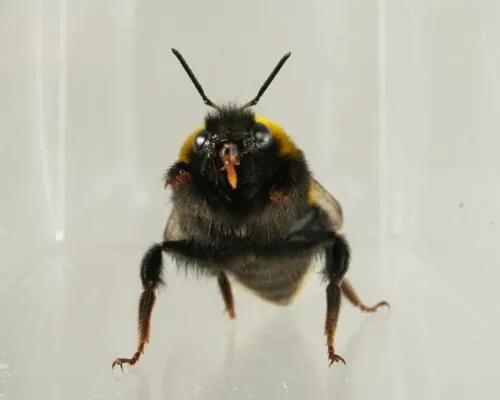 Bees Show 'Liking' and 'Disliking' Reactions: New Study Suggests Inner Lives for Insects
A new study reveals bumblebees exhibit 'liking' or 'disliking' behaviors when tasting different substances, suggesting their responses may reflect inner states similar to those in mammals.
-
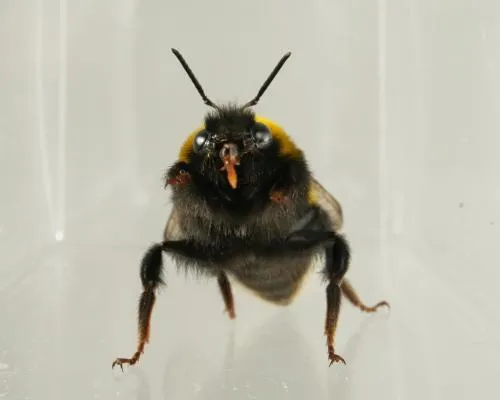 Bees Show ‘Liking’ and ‘Disliking’ Reactions According to New Study
A new study reveals bumblebees displaying facial expressions similar to 'liking' or 'disliking' responses observed in mammals.
-
 Historic Geoengineering Ventures: From Giant Dams to Artificial Mountains
Tim Flannery outlines five outlandish geoengineering projects from history, including the Atlantropa dam, Soviet ice-melting plans, and Project Znamya's artificial sunlight mission.
-
 Historic Projects Aimed at Altering the Climate: From Bombing Ice Caps to Building Artificial Mountains
Tim Flannery recounts five ambitious historical plans aimed at altering Earth’s climate through grand engineering projects, highlighting humanity's enduring quest to control its environment.


