- The harvest season has started three weeks earlier than it did 20 years ago.
- The change in timing affects the quality and quantity of crops due to heat acceleration.
- Growers are adapting to shorter daylight hours and managing moisture content carefully.
- The variability of climate conditions poses challenges for farmers in planning their harvest.
Harvest Timing Shifts
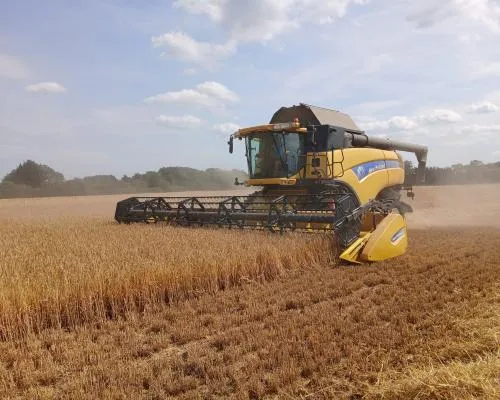
The start of the harvest season has moved forward by three weeks compared to 20 years ago. This shift impacts both the quality and quantity of crops as plants ripen more quickly due to rising temperatures. The crops have managed to survive winter flooding (almost) and two heatwaves, but another hot spell is on the way as we embark on the enormous task of harvesting our crops. Winter barley for seed is usually first, followed by oilseed rape (OSR), then probably wheat. Beans are nearly always last to be cut, often in September, but even these are heading towards the exit now in early July.
Harvest 20 years ago would start around the third week in July, but has crept forward by three weeks since then. The earlier harvest is good in a way, although it does curb our yields as the plants cannot ripen properly and the heat accelerates growth, but it does mean we’re cutting crops in longer daylight and don’t have to spend money drying them. Moisture content is also vital: to be acceptable to the merchant, wheat and barley must be below 15% moisture and oilseed rape below 9%, as that helps prevent storage issues such as moulds and pests. But moisture is also susceptible to the heat: crops are showing signs of stress due to high temperatures, with OSR moisture as low as 3%, as I’ve read.
The all-important number is 35C – that’s the point where pollination becomes unviable and the plant simply shuts down, and it’s of increasing relevance in the UK. For now, the culmination of a year’s hard work is in front of us. My son has replaced me at the wheel of the air conditioned behemoth combine, and I just hope everything falls into place. A rainfall delay now not only creates quality issues but can also mean the uncertainty of not knowing which crop to prioritise. It’s always been a gamble to grow milling bread wheat as well as marrowfat peas for the fish and chip shop trade; add in spring malting barley and delayed OSR, and the pressure ramps up. In less than six weeks’ time, with luck, all will be safely gathered, and we begin again with the gamble of growing human-grade crops in an ever more volatile climate.
Source: The Guardian

Green News
235 posts
-
 Rituals for Ecological Grief: Lessons from a Disappearing Heron Rookery
Exploring personal and collective experiences of ecological grief through stories of disappearing wildlife and landscapes, emphasizing the need for formal rituals.
-
 Shark Drones: More Reports but Not Necessarily More Sharks?
Drones are being used more frequently to monitor sharks at US beaches, but experts question whether this leads to a real increase in public safety or just heightened fear among beachgoers.
-
 Australian Huntsman Spider Discovered to Be One of Fastest Spiders on Earth
An Australian huntsman spider has been found to be one of the fastest species among more than 250 analyzed by scientists, reaching peak speeds far surpassing other spiders.
-
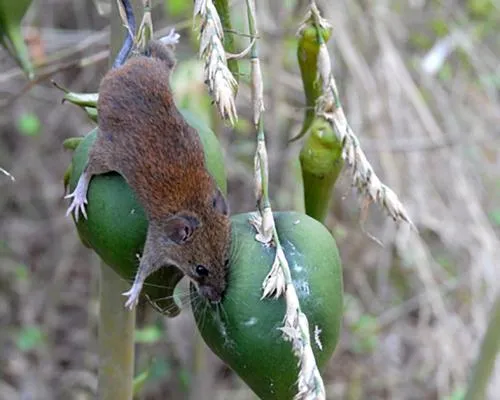 Mizoram’s Bamboo Flowering: A Repeated Crisis for Farmers
Mizoram faces repeated ecological crises as bamboo forests flower every few decades, leading to rodent outbreaks and significant crop damage.
-
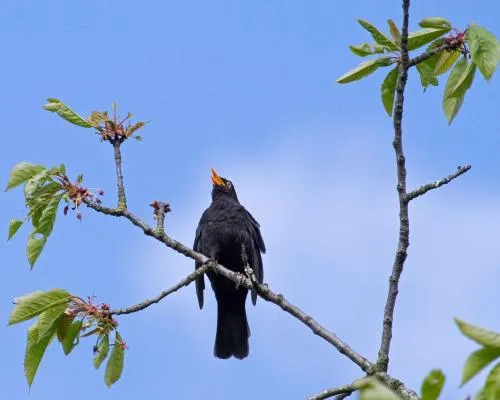 Nature's Melodies: Blackbirds and Their Unusual Performances
Readers share fascinating tales of blackbirds mimicking human music and sounds, including scales, concertos, and even typewriters.
-
 Gray Whales Face Dire Struggle Due to Climate Change and Human Threats
Gray whales are facing a catastrophic decline due to climate change and human activities, with their population halving in recent years.
-
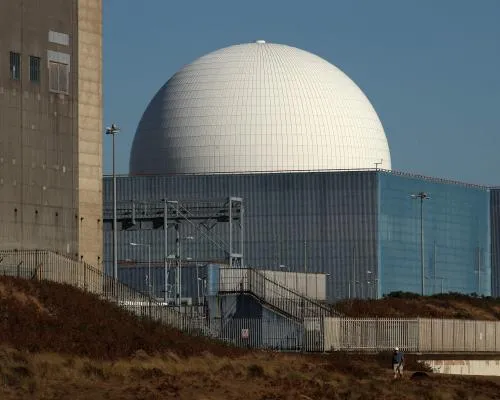 Sizewell B Nuclear Plant Gets 20-Year Extension
Sizewell B nuclear plant receives a 20-year extension, part of a broader strategy by the UK government to increase nuclear power as renewable energy capacity expands.
-
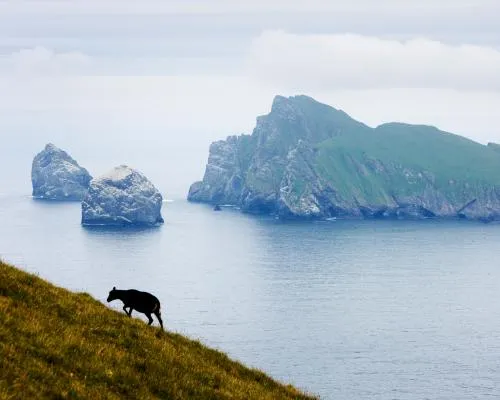 UK Waters Grapple with Extreme Heatwave Amid Global Marine Warming
UK waters are experiencing an extreme marine heatwave, as global sea temperatures reach record levels, raising concerns about potential mass-mortality events for marine species.
-
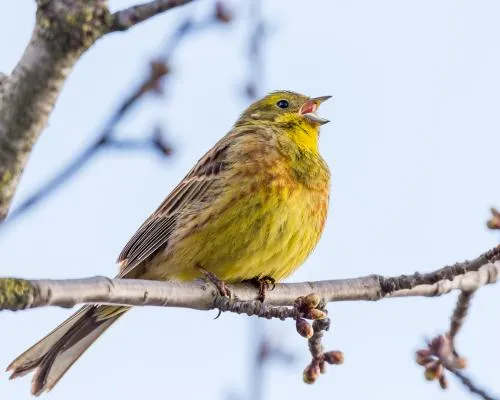 A Birdwatcher's Delight: Yellowhammers Sing in Suffolk’s Summer Heat
A cyclist explores Suffolk’s summer heatwave and discovers an unexpected abundance of yellowhammers.
-
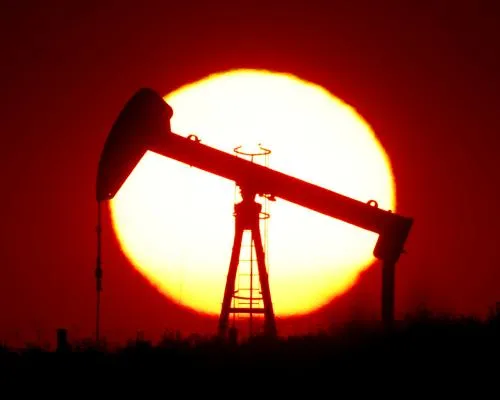 Oil Companies Expanding Production Amidst Severe Heat Waves
Oil companies are increasing production despite the urgent need to reduce fossil fuel use, exacerbating climate change and threatening ecosystems worldwide.


