- Environmental loss often triggers profound grief, particularly the decline of species or landscapes.
- Communities need more formal and communal rituals to address ecological losses, similar to those used for human tragedies.
- Creative writing is increasingly reflecting on environmental degradation, highlighting a growing sense of moral injury.
- Public memorials like Okjökull in Iceland offer models for recognizing significant ecological changes.
The Ache of Loss: Personal Experiences and Wider Implications
Years ago, interviewing an expert on North Atlantic right whales, I witnessed a deep human emotion masked by professional detachment. He was visibly moved when discussing the loss of calves struck by ships, a species already critically endangered. This experience underscores how personal connections form even among scientists studying environmental decline, yet our culture lacks rituals to acknowledge such losses.

My own journey through Vermont reveals another layer of this emotional landscape. Great blue herons nested in marshes for some years, their devotion a marker of spring. But gradually, the community diminished until only one bird remained. This lone survivor raises young in solitude; no memorial service marks its absence. This quiet loss mirrors broader environmental tragedies that often go unacknowledged by society.
The Silent Epidemic: Grief and Moral Injury
Over a decade of reporting on environmental change across the American South, I’ve witnessed roads widening through wildlife corridors in Florida, housing developments replacing maritime forests in South Carolina, and barrier islands transforming under climate pressures. These changes evoke an intimate grief that lingers beneath the surface: a deep sorrow for what is lost or altered before our eyes. The scale of these losses feels almost routine, made more profound by the knowledge that what is lost may never return.
Young people in my creative writing classes are increasingly grappling with this grief through their work, reflecting on the emotional and moral challenges posed by environmental degradation. They describe witnessing wildfires, habitat fragmentation, and flooding events, highlighting a growing sense of moral injury when our values and actions diverge. This internal conflict speaks to an uncanny reality where change is happening around us while we behave as though nothing fundamental has shifted.
Recognizing Ecological Loss: Lessons from Iceland
In 2019, Iceland marked the loss of its first glacier by formally declaring Okjökull lost to climate change. A plaque installed at the site directly addressed future generations, stating, “We know what is happening and what needs to be done.” This ceremony combined scientific, political, and emotional elements, serving as a public acknowledgment that something essential had vanished. Such efforts point toward an urgent need for more formal ways to share and honor environmental losses.
These rituals are not just symbolic; they offer permission to mourn the loss of ecosystems and species. They remind us that grief is a natural response to significant changes, and that acknowledging these feelings can lead to greater accountability and action. As we continue to witness the decline of species like herons or the transformation of landscapes, it becomes imperative to name our emotions and invest in storytelling that reflects ecological richness once lost.
Source: The Guardian

Green News
235 posts
-
 Harvest Season Arrives Earlier Than Expected, Affecting Crop Yields
The 2023 harvest season has started three weeks earlier than it did two decades ago, affecting crop quality and quantity. Farmers are adapting to manage moisture content and planning amidst climate variability.
-
 Shark Drones: More Reports but Not Necessarily More Sharks?
Drones are being used more frequently to monitor sharks at US beaches, but experts question whether this leads to a real increase in public safety or just heightened fear among beachgoers.
-
 Australian Huntsman Spider Discovered to Be One of Fastest Spiders on Earth
An Australian huntsman spider has been found to be one of the fastest species among more than 250 analyzed by scientists, reaching peak speeds far surpassing other spiders.
-
 Mizoram’s Bamboo Flowering: A Repeated Crisis for Farmers
Mizoram faces repeated ecological crises as bamboo forests flower every few decades, leading to rodent outbreaks and significant crop damage.
-
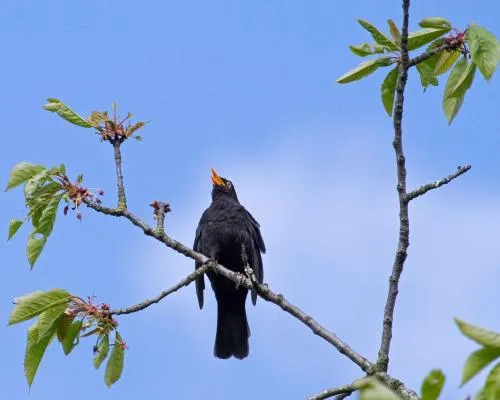 Nature's Melodies: Blackbirds and Their Unusual Performances
Readers share fascinating tales of blackbirds mimicking human music and sounds, including scales, concertos, and even typewriters.
-
 Gray Whales Face Dire Struggle Due to Climate Change and Human Threats
Gray whales are facing a catastrophic decline due to climate change and human activities, with their population halving in recent years.
-
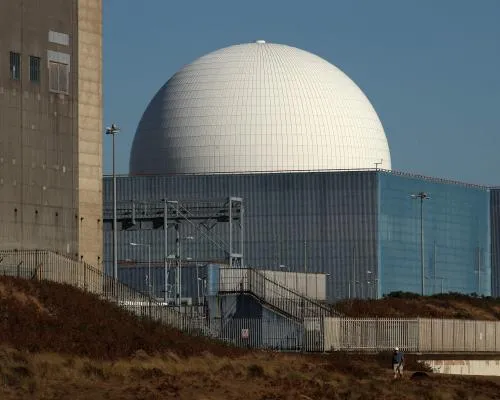 Sizewell B Nuclear Plant Gets 20-Year Extension
Sizewell B nuclear plant receives a 20-year extension, part of a broader strategy by the UK government to increase nuclear power as renewable energy capacity expands.
-
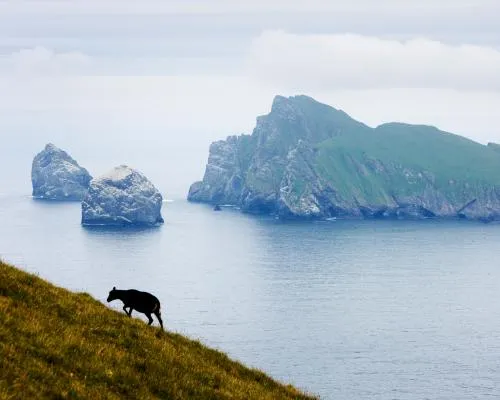 UK Waters Grapple with Extreme Heatwave Amid Global Marine Warming
UK waters are experiencing an extreme marine heatwave, as global sea temperatures reach record levels, raising concerns about potential mass-mortality events for marine species.
-
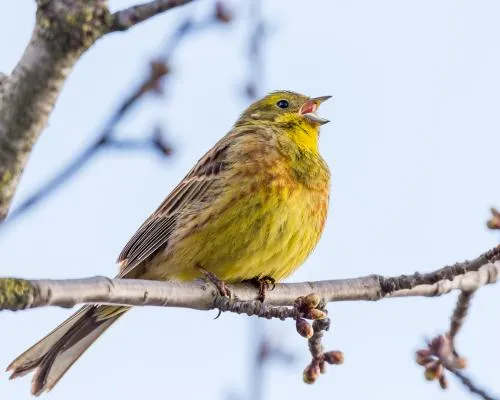 A Birdwatcher's Delight: Yellowhammers Sing in Suffolk’s Summer Heat
A cyclist explores Suffolk’s summer heatwave and discovers an unexpected abundance of yellowhammers.
-
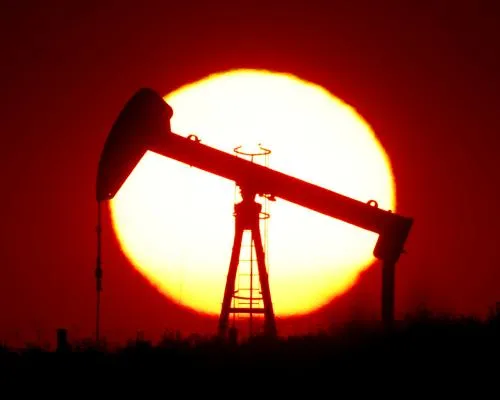 Oil Companies Expanding Production Amidst Severe Heat Waves
Oil companies are increasing production despite the urgent need to reduce fossil fuel use, exacerbating climate change and threatening ecosystems worldwide.


