- Dozens of carbon storage projects are under development across the United States, despite local opposition.
- Residents in Clymers, Indiana, fear that these projects will harm their community and economy.
- Environmental groups warn that such projects could delay the transition to clean energy and pose health risks.
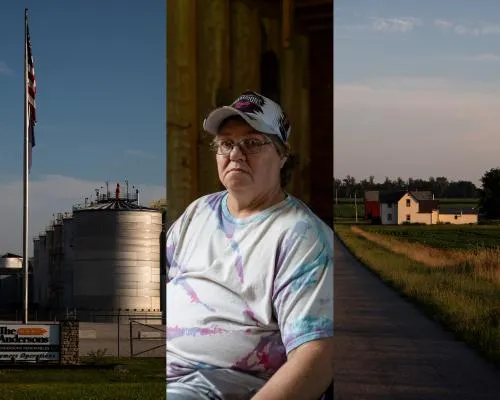
What HappenedIn an effort to address climate change, a local ethanol plant in Clymers, Indiana, has spearheaded a project aimed at burying vast stores of carbon deep underground. This initiative is part of a larger wave of carbon sequestration projects across the United States, which are expected to receive government subsidies under President Biden's Inflation Reduction Act.The Andersons Renewables, a subsidiary of Marathon Oil at the time, has proposed this project to capture and store carbon dioxide from the ethanol production process. The company assures that the site is suitable for permanent storage, as determined through seismic analysis and a test well. However, residents like Melissa Harrison are concerned about the impact on their community, which is already burdened by industrial hazards.Reactions So FarResidents in Clymers have organized to oppose the project, emphasizing their fear that it could make the town uninhabitable. They point out that the area is already struggling with contaminated well water and high poverty rates. The local school has closed, and many businesses are gone, leaving behind a shell of its former self.Landowners in the area received letters offering $150 per acre if they agreed to allow carbon storage under their land. However, these offers have not assuaged residents' concerns. Dennis Crume, a farmer who refused to sign the form, stated that he was worried about his well and the potential risks posed by such projects.Background to the StoryCarbon sequestration involves capturing industrial CO2 emissions before they can contribute to global heating and burying them underground. The Intergovernmental Panel on Climate Change (IPCC) has recognized this as a potential mitigation strategy, although it cautions against over-reliance on such projects.The proposed projects in the U.S., including those in Indiana, are expected to receive approval from environmental regulators. While some companies see these projects as a profitable way to benefit from tax credits worth $85 per ton of carbon stored, critics argue that they merely subsidize oil and gas industry companies without effectively reducing emissions at scale.What Comes NextThe Clymers project is part of a broader trend where communities across the United States are facing similar proposals. Environmental groups and local residents continue to voice concerns about the potential health risks and economic impacts of these projects. As more projects gain approval, the debate over the efficacy and safety of carbon sequestration will likely intensify.The issue highlights the complex balance between addressing climate change through various mitigation strategies and ensuring that communities are not unduly harmed by such efforts. As the wave of projects advances, it is clear that local voices must be heard in this national conversation about energy and environmental policy.
Source: The Guardian

World News Today
514 posts
-
 Unlocking Daily Loans: Your Key to Financial Flexibility
n The approval process for personal loans can range by lender. Some on-line lenders can supply same-day approvals and disburse funds inside a number of enterprise days.
-
 Options for Unemployed Loans
It’s essential for potential debtors to match completely different lenders and their offerings to ensure they select a private mortgage that fits their scenario.


