- The UK replaced birthright citizenship with a system requiring registration by 10th birthday.
- Many people in their 30s and 40s lack British citizenship despite being born here.
- Government must improve public awareness of children’s citizenship registration rights.
Background to the Story
The UK replaced birthright citizenship on 1 January 1983, with the British Nationality Act 1981 providing every child born here with the right to citizenship no later than their 10th birthday if they remain in the UK. This change led to unforeseen consequences.
Consequences of Registration Delays

The transition has resulted in a significant number of individuals, now in their 30s and 40s, who were born in the UK but do not hold British citizenship. Many have always lived in the country yet remain without formal recognition.
Public Awareness and Government Action
The government must ensure people are aware of their citizenship rights. The current situation has led to a lack of public understanding and action on this issue, with many children whose citizenship status remains unresolved feeling alienated despite having spent their entire lives in the UK.
The government should take steps to address these individuals' treatment and enhance public awareness about children’s citizenship registration processes. This involves both legal reforms and educational efforts aimed at informing families and communities about their rights.
Source: The Guardian

Uk News Feed
287 posts
-
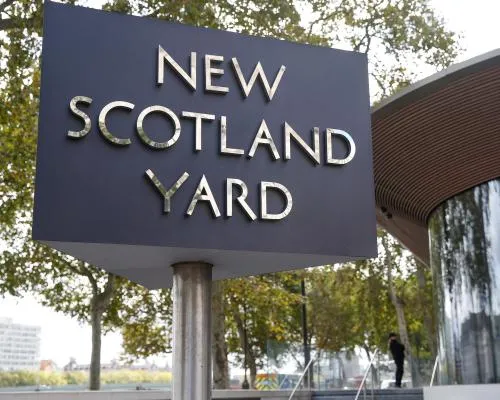 Report Reveals Widespread Issues in Police Leadership Across England and Wales
A government-backed report finds significant issues with police leadership across England and Wales, including widespread nepotism and bias, leading to inconsistent service quality.
-
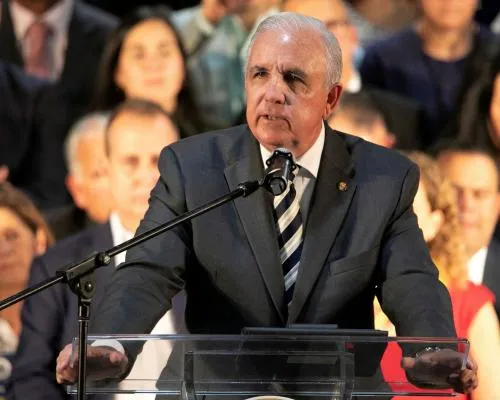 Florida Representative Criticizes Plan to End TPS for Haitian Migrants
Florida Representative Carlos Giménez joins other state officials in opposing the termination of Temporary Protected Status (TPS) for Haitian immigrants.
-
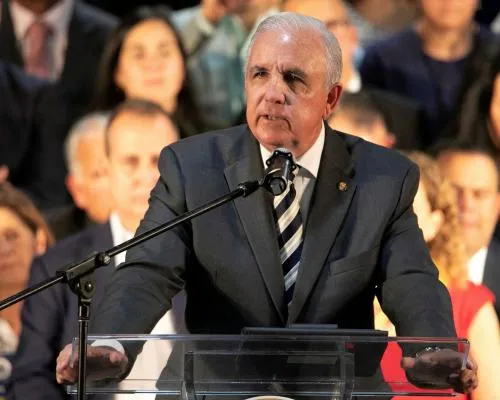 Florida Congressman Argues Against Deporting Haitians with TPS
Florida Congressman Carlos Giménez and other Republican leaders are opposing the Trump administration’s plan to end temporary protected status for Haitian migrants.
-
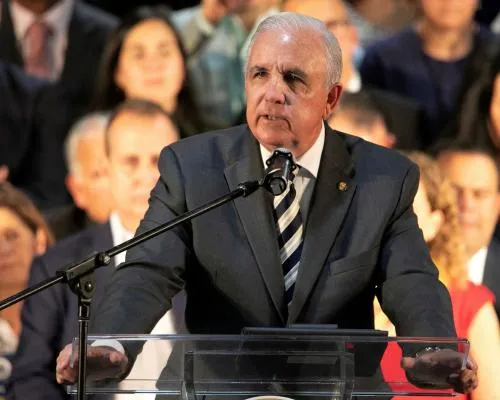 Florida Congressman Stands Against Deportation of Haitians with TPS
Florida Republican Congressman Carlos Giménez joins other politicians in opposing the deportation of Haitian migrants under TPS, citing safety concerns and economic contributions.
-
 Michigan’s Democrats Face Progressive vs Establishment Tussle for US Senate Seat
Michigan’s Democratic primary leaves a progressive vs centrist battle for the US Senate seat. Candidates Abdul El-Sayed and Haley Stevens represent different wings of the party.
-
 Lãnh tụ Tối cao Iran vắng mặt tại tang lễ cha do thương tích
Lãnh tụ Tối cao Iran không tham gia tang lễ cha mình trong khi Iran tổ chức tang lễ quy mô lớn cho cố lãnh tụ. Các con trai của cố lãnh tụ cầu nguyện bên quan tài.
-
 Global Urgency: Protecting Palestinian Children from Violence
Palestinian children face significant risks due to escalating violence in the West Bank, with at least one child dying each week since January 2025. Unicef UK calls for urgent action from both local authorities and international bodies.
-
 Urgent Need to Protect Palestinian Children Amid Escalating Violence
The chief executive of Unicef UK highlights the escalating violence against Palestinian children in the West Bank, calling for global action.
-
 Escalating Violence in West Bank Sparks Global Concern
Unicef UK chief executive reports on the rising fear and violence faced by Palestinian children in the West Bank, highlighting at least one child killed weekly since January 2025.
-
 Global Concern Over Escalating Violence Against Palestinian Children in West Bank
Palestinian children face increasing violence in the West Bank, with at least one child killed weekly since January 2025.


