- The National Liberation Army (ELN) is preparing to restart combat operations.
- President-elect Abelardo de la Espriella plans a new military offensive against the ELN.
- The ELN commander Yerson asserts his group will fight wherever necessary.
- Historical and ideological factors underpin the ongoing conflict.
Preparing for Renewed Conflict
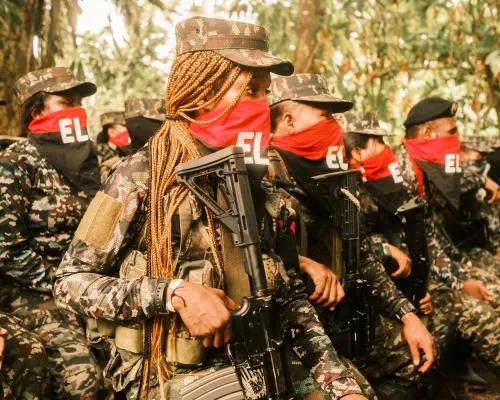
In a secluded part of Colombia's Pacific coast, surrounded by dense jungle, guerrillas from the National Liberation Army (ELN) are preparing for new battles. Camouflaged and armed, their commander states that they are ready to engage in both urban and rural attacks.
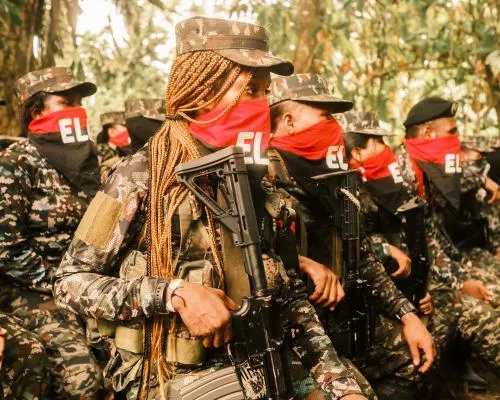
Newly elected President Abelardo de la Espriella has announced an end to peace talks and a renewed military offensive against the ELN. De la Espriella, known for his right-wing views and ties with paramilitary groups, aims to confront the guerrillas with a more aggressive stance.
The commander of the group’s Western War Front states that the ELN is not just fighting for survival but for political change. He claims that despite decades of conflict, the group has preserved its ideological principles and will continue to challenge what it sees as Colombia's corrupt political system.
The Colombian armed conflict dates back to the 1960s, driven by extreme land inequality and exclusionary politics. The ELN emerged from a mix of Marxist-Leninist ideology, Che Guevara’s foco theory, and Liberation theology. Over these six decades, the ELN has fought against government forces and right-wing paramilitaries, carrying out killings, kidnappings, and forced displacement.
The group's current leader criticizes previous governments for failing to implement peace deals fully and improving conditions for poor Colombians. He argues that the new president-elect may not be able to deliver on his promises of 'total peace.' The ELN sees its struggle as an ongoing fight against systemic injustice.
Despite these challenges, the commander remains optimistic about their chances, quoting Simón Bolívar: 'An ignorant people is the blind instrument of its own destruction.' He believes that through continued resistance, they can achieve change for Colombia's marginalized communities.
Source: The Guardian

Guardian News World
624 posts
-
 Colombia's Last Guerrilla Group Readies for Conflict
Colombia’s last guerrilla group, ELN, prepares for potential conflict as new president vows renewed military engagement. Ideological commitment and economic challenges define the group's stance in the ongoing 62-year-old armed conflict.
-
 Houthis Strike Yemen and Saudi Arabia, Heightening Middle East Crisis
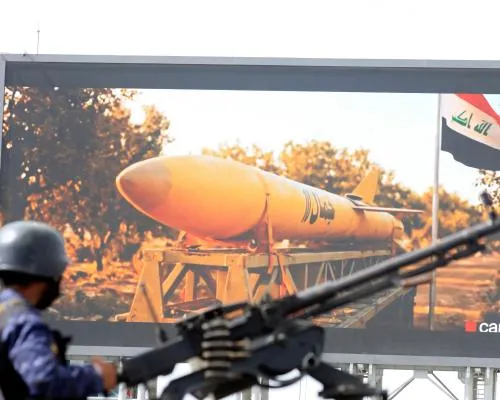
Houthi strikes in Yemen and Saudi Arabia heighten regional tensions as both nations prepare for potential coordinated military actions, raising concerns over a broader escalation.
-
 Academic Integrity and Race in Modern Britain: The Jason Arday Case
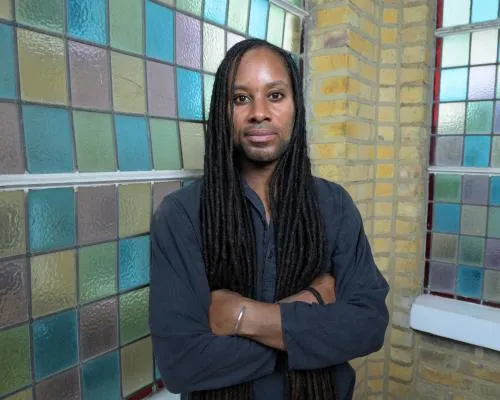
The case of Jason Arday, a Black Cambridge professor accused of plagiarism, highlights issues of academic integrity and race in modern British society.
-
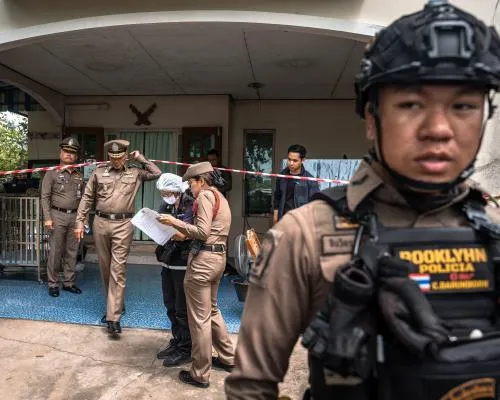 Thailand School Shooting: Suspect Killed Eight After Targeting Teachers and Students
A 14-year-old student killed eight people, including his grandparents and teachers at Debsirin School in Nonthaburi province, Thailand.
-
 New Zealand’s Wool Industry Revives After Decades of Decline
New Zealand's once-declining wool industry is experiencing a comeback due to rising demand for natural fibers and support from major brands.
-
 Nearly 50 Asylum Seekers Deported Under ‘One in One Out’ Scheme Return to UK
Nearly 50 asylum seekers have returned to the UK after being deported under the 'one in one out' scheme with France. The Home Office maintains that repeat arrivals will be removed, but critics argue these claims are not always upheld.
-
 Architects Exonerated Over Fatal Penthouse Window Accident
A court cleared Foster + Partners of responsibility in the death of a man killed by a falling window at a luxury development, but found project managers St James and engineers Lindner Prater guilty of safety breaches.
-
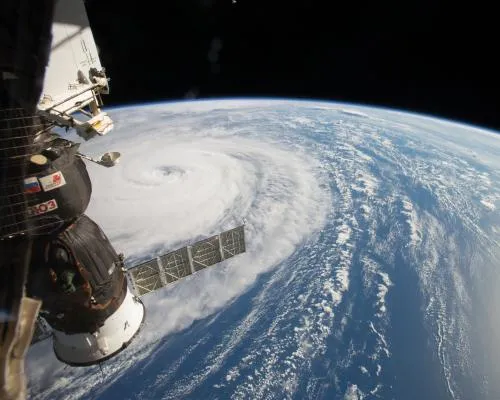 Hong Kong's Dim-sum Added to Typhoon Names
Hong Kong's contribution of 'Dim-sum' has been added to the official list of typhoon names for the Asia-Pacific region, reflecting local culture and enhancing cyclone awareness.
-
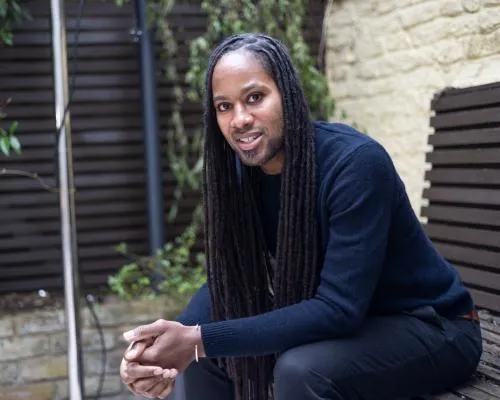 Academics Call for Inquiry into Jason Arday’s Controversial Appointment at Cambridge
Academics are calling for an independent inquiry into Jason Arday's controversial appointment as a professor at the University of Cambridge, alleging that the process was rushed to improve diversity.
-
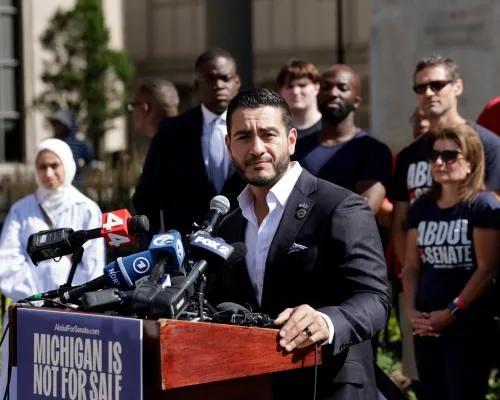 Democratic Victory for Progressive Abdul El-Sayed: Key for Senate Midterm Push
Democratic candidate Abdul El-Sayed has won the Michigan Senate primary, unifying Democrats and raising questions about their strategy for the upcoming midterms.


