- President Trump is considering removing Fed governor Lisa Cook over mortgage fraud allegations.
- Supreme court decision upheld the central bank’s independence and denied removal.
- Cook’s lawyers maintain that the accusations are baseless and intend to challenge further attempts at removal.
Reaffirming Allegations Against Federal Reserve Governor
Donald Trump is once again attempting to oust US Federal Reserve governor Lisa Cook over allegations of mortgage fraud, despite a recent US supreme court decision that upheld the central bank’s independence. Cook reportedly received a letter from the White House this week that provided notice, in accordance with the June ruling, that Trump was “considering removing” her from her Fed position over the same claims of mortgage fraud that he levied against her last summer.
The supreme court, in its 5-4 decision, ruled that President Trump had failed to provide Cook with the necessary procedural protections required by statute. The justices emphasized that without these protections, Cook could not properly dispute the charges laid against her. According to the court's majority opinion, Trump's actions did not meet the standard needed for removal and thus denied his request.
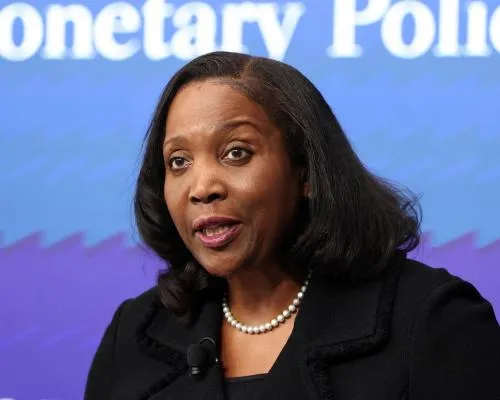
In response to the White House’s letter, one of Cook’s legal representatives, Abbe D Lowell, stated that the allegations were as baseless now as they were last year when Trump initially tried to remove her. Lowell emphasized that there is no valid cause for removal under the facts and supreme court precedent, and stressed their intention to challenge any further attempts.
Cook has been appointed by Joe Biden for a 14-year term ending in 2038, making her the first Black woman to serve as a Federal Reserve governor. Her background includes roles at Harvard University and Stanford University, as well as service on Barack Obama’s council of economic advisers. Before joining the Fed, she faced unprecedented attacks from President Trump who accused her of mortgage fraud, claims that Cook has consistently denied.
These legal battles come amidst a broader context where Trump has previously attacked the Federal Reserve for not lowering interest rates. Despite backing the central bank's decision not to lower rates, which aligned with Jerome Powell’s stance, Cook found herself at the center of a controversial and unprecedented removal attempt. The White House has yet to respond to requests for comment.
The next steps in this ongoing legal dispute are uncertain, but it is clear that Cook's position as an independent voice within the Federal Reserve system will be challenged further. As Kevin Warsh, a Trump appointee who supports rate hikes and maintains an independent stance, now leads the Fed, the battle over Cook’s removal may have significant implications for monetary policy and central bank independence.
Warsh, known for his support of higher interest rates to combat inflation, has maintained that he will make decisions based on economic data rather than political considerations. He expressed his commitment to the independence of the Federal Reserve in a recent hearing before Democratic House members: “We’re an independent central bank,” Warsh said. “We’re honored to be independent.” This statement underscores the tension between White House appointees and the Federal Reserve, particularly regarding monetary policy decisions.
The latest move by the Trump administration highlights the ongoing political conflict over the Federal Reserve's operations and the role of its governors. As Cook continues her legal fight to remain in office, the broader implications for central bank independence and the balance of power between the executive branch and the Fed are likely to be closely watched.
Source: The Guardian

Business Daily
341 posts
-
 US Airfares Likely to Remain High Despite Potential Oil Price Drop
Despite potential drops in oil prices due to a possible US-Iran ceasefire, experts predict that airfares will likely remain high due to strong demand and refinery closures.
-
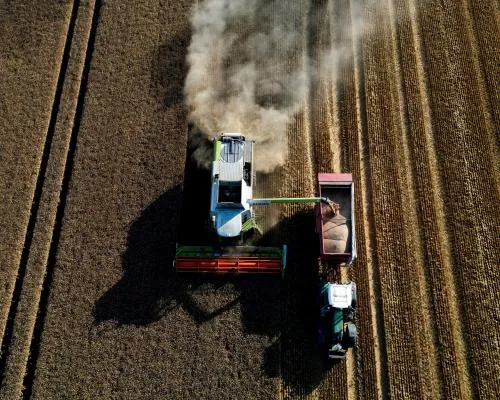 Global Food Prices Reach Three-Year High Amid Weather Events and Conflicts
Global food prices have hit their highest level in three years due to heatwaves, conflict, and weather events. The UN FAO reports significant increases in cereal, sugar, and vegetable oil prices, with potential long-term effects on consumer costs.
-
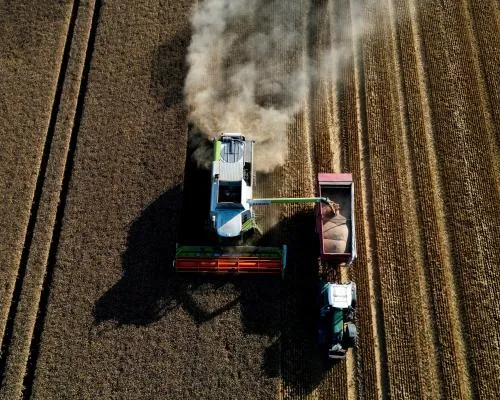 Global Food Prices Reach Three-Year High Due to Weather Events and Conflicts
Global food prices have reached their highest level in three and a half years, driven by heatwaves affecting wheat yields and conflicts disrupting export flows.
-
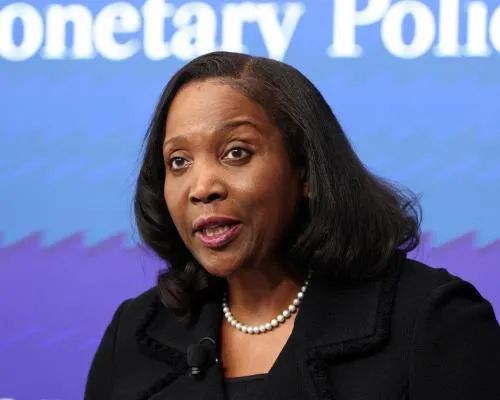 Trump Repeats Bid to Dismiss Fed Governor Lisa Cook Amid Supreme Court Ruling
President Trump attempts to oust Fed Governor Lisa Cook amid a Supreme Court ruling upholding the Federal Reserve’s independence.
-
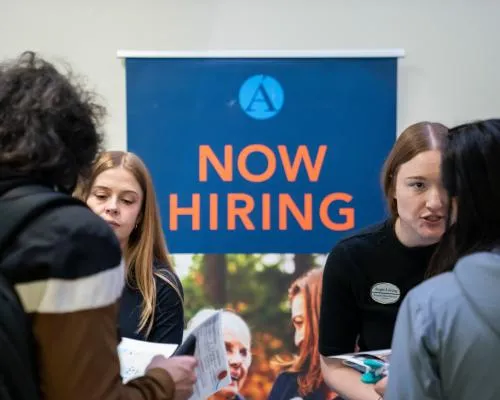 US Job Market Shows Unexpected Downturn in July
The U.S. job market experienced an unexpected downturn in July with significant revisions to previous months' estimates, while the unemployment rate held steady at 4.1%. Economic analysts are closely monitoring these trends as they influence monetary policy decisions.
-
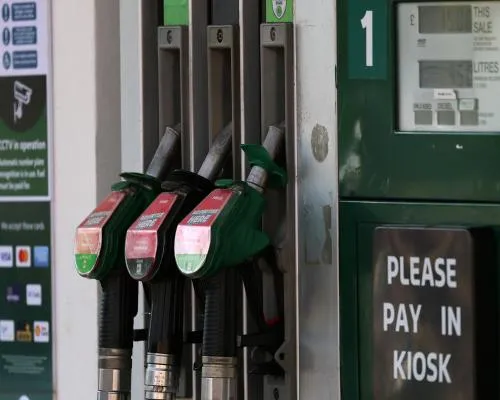 Global Markets Sway as Oil Prices Fall Amid Middle East Peace Talks
Global markets showed mixed reactions as oil prices fell on hopes of Middle East peace talks, while stock markets saw varied performances. Key industries like pharmaceuticals reported strong financial results amid ongoing uncertainties.
-
 Jetstar’s New Carry-On Luggage Fee Sparks Concerns Over Airfare Transparency
Jetstar's new policy on carry-on luggage charges raises concerns among experts who warn of increased complexity in airfare comparisons.
-
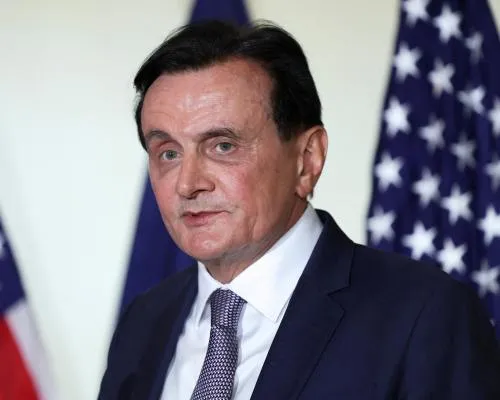 AstraZeneca’s Non-Deal with Bristol Myers Squibb Puzzles Investors
AstraZeneca’s decision not to pursue a takeover of Bristol Myers Squibb puzzles investors, with questions raised about corporate strategy and the potential impact of AI on the pharmaceutical industry.
-
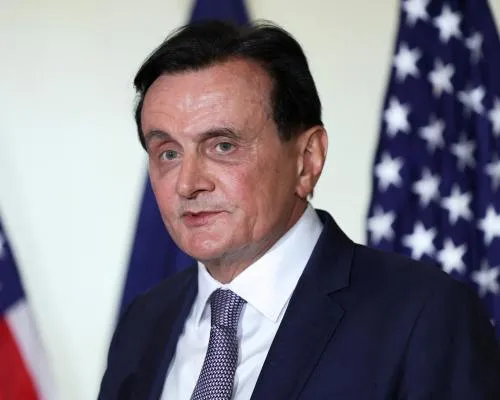 AstraZeneca: Shareholder Fears Over Non-Deal With Bristol Myers Squibb
AstraZeneca reportedly abandoned talks with Bristol Myers Squibb for a $400 billion merger, leading to shareholder concerns and questions about CEO Pascal Soriot’s strategy.
-
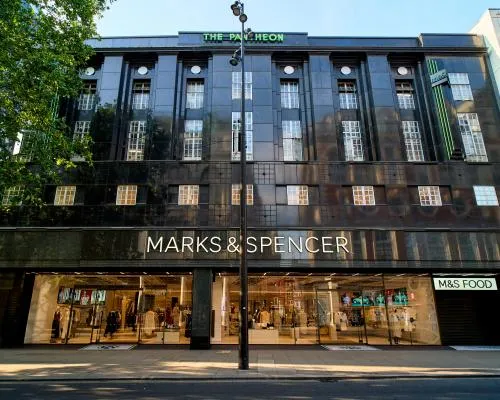 M&S Unveils Pantheon Revamp: A Blueprint for Future Growth
Marks & Spencer's chief executive Stuart Machin unveils plans for modernizing stores and supply chains to drive growth amid challenges from competition.


