Global Food Prices Reach Three-Year High Amid Weather Events and Conflicts

- Heatwaves reduce wheat yields in key producing countries.
- Conflict disrupts Black Sea export flows, pushing up cereal prices.
- El Niño weather phenomenon poses significant threat to food production.
- Higher commodity prices could lead to increased food costs for consumers.
Global food prices have hit their highest level in three and a half years, as summer heatwaves and conflict in Ukraine and the Middle East push up crop costs. The UN Food and Agriculture Organization (FAO) index of food commodity prices rose last month to its highest level since January 2023, after a jump in prices for cereals, sugar, and vegetable oil. Specifically, the FAO reported that the overall index increased to 131.1 points in July from 130.3 in June, reflecting a rise of 0.7%.
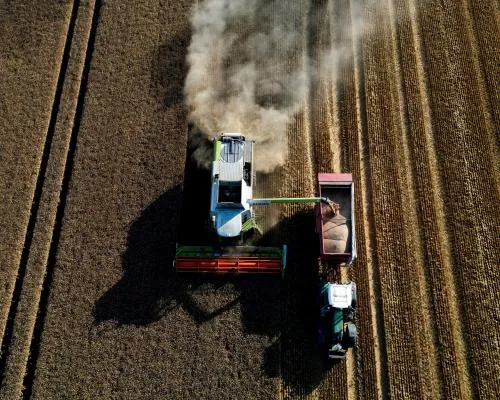
The surge in food prices is primarily attributed to adverse weather conditions such as heatwaves and the ongoing El Niño phenomenon. A deadly heatwave that swept across Europe in June, exacerbated by carbon emissions, played a critical role in damaging crops like wheat, barley, maize, and oats. Farmers in affected regions had to destroy approximately 9 million tonnes of these grains due to the extreme temperatures.
The European Union also experienced hot and dry weather conditions that raised concerns over crop yields. These conditions contributed to significant increases in global cereal prices by 3.4% month on month, with wheat prices rising by a particular 5.8%. The FAO cited the fear of poor yields as a major factor driving up cereal prices.
Conflict disruptions have also significantly contributed to the rise in food prices. The ongoing war between Russia and Ukraine has disrupted Black Sea export flows, leading to higher cereal prices. Moreover, Iran’s conflict has affected fertiliser production, as about one-third of it passes through the Strait of Hormuz.
Specific commodity price increases include a significant jump by 5.6% in sugar prices due to weather fears and new rules in Brazil that increased the amount of ethanol that can be added to gasoline, leading to an increase in demand from fermenters. Vegetable oil prices also rose by 2%, driven by firm demand from Indonesia’s biodiesel sector and higher crude oil prices.
Impact on Consumers and Food Security
The FAO's findings highlight that these price hikes could lead to higher food costs for consumers in the coming months. The UN’s World Food Programme (WFP) has warned of a potential 50 million people facing acute hunger before the end of next year due to the El Niño weather phenomenon, particularly affecting regions like Central and South America, the Caribbean, and southern Africa.
This year's El Niño may turn out to be one of the strongest in at least 70 years, according to analysts. Farmers across Europe have warned that extreme heat, drought, and wildfires will impact food production and drive up prices. The vegetable growers' association Légumes de France has predicted that thousands of tonnes of products worth tens of millions of euros had been lost due to these conditions.
Overall Impact and Future Concerns
The situation underscores the critical need for robust global food security measures to mitigate the impacts of both climate change and geopolitical conflicts on agricultural productivity and market stability. Increased food commodity prices tend to translate into higher prices on the shelves in future months, as suppliers pass on their costs to consumers.
Given these challenges, the international community must work together to ensure food security for all, especially those in acute food insecurity. The FAO's ongoing efforts and the support of organizations like the WFP are crucial.
Source: The Guardian
Business Daily
341 posts
-
 US Airfares Likely to Remain High Despite Potential Oil Price Drop
Despite potential drops in oil prices due to a possible US-Iran ceasefire, experts predict that airfares will likely remain high due to strong demand and refinery closures.
-
 Global Food Prices Reach Three-Year High Due to Weather Events and Conflicts
Global food prices have reached their highest level in three and a half years, driven by heatwaves affecting wheat yields and conflicts disrupting export flows.
-
 White House Reaffirms Bid to Remove Federal Reserve Governor Lisa Cook
President Trump is considering removing Federal Reserve Governor Lisa Cook from her position despite a supreme court ruling that upheld the bank's independence. Cook's lawyers argue the accusations are baseless.
-
 Trump Repeats Bid to Dismiss Fed Governor Lisa Cook Amid Supreme Court Ruling
President Trump attempts to oust Fed Governor Lisa Cook amid a Supreme Court ruling upholding the Federal Reserve’s independence.
-
 US Job Market Shows Unexpected Downturn in July
The U.S. job market experienced an unexpected downturn in July with significant revisions to previous months' estimates, while the unemployment rate held steady at 4.1%. Economic analysts are closely monitoring these trends as they influence monetary policy decisions.
-
 Global Markets Sway as Oil Prices Fall Amid Middle East Peace Talks
Global markets showed mixed reactions as oil prices fell on hopes of Middle East peace talks, while stock markets saw varied performances. Key industries like pharmaceuticals reported strong financial results amid ongoing uncertainties.
-
 Jetstar’s New Carry-On Luggage Fee Sparks Concerns Over Airfare Transparency
Jetstar's new policy on carry-on luggage charges raises concerns among experts who warn of increased complexity in airfare comparisons.
-
 AstraZeneca’s Non-Deal with Bristol Myers Squibb Puzzles Investors
AstraZeneca’s decision not to pursue a takeover of Bristol Myers Squibb puzzles investors, with questions raised about corporate strategy and the potential impact of AI on the pharmaceutical industry.
-
 AstraZeneca: Shareholder Fears Over Non-Deal With Bristol Myers Squibb
AstraZeneca reportedly abandoned talks with Bristol Myers Squibb for a $400 billion merger, leading to shareholder concerns and questions about CEO Pascal Soriot’s strategy.
-
 M&S Unveils Pantheon Revamp: A Blueprint for Future Growth
Marks & Spencer's chief executive Stuart Machin unveils plans for modernizing stores and supply chains to drive growth amid challenges from competition.


