- The once-thriving wool industry in New Zealand is experiencing a resurgence after decades of decline.
- Global demand for natural fibres, particularly due to rising synthetic fabric costs, has driven the recent growth.
- Major brands such as Chanel and Patagonia are seeking out New Zealand’s high-quality wool.
- Optimism remains among farmers, but market volatility still poses a challenge.
Decline of Wool Industry
The sheep farming and wool production in New Zealand have been central to the country's agricultural sector for nearly a century. In the 1960s, John Hargreaves’ family farm had around 3,000 ewes but over time, as wool prices fell and shearing costs increased, their flock dwindled.
Despite the decline in sheep numbers, with fewer than 23 million now compared to a peak of more than 70 million in the 1980s, the wool industry is showing signs of revival. The rise of synthetic fabrics and economic policies of the 1980s led to a significant drop in wool prices and production. However, recent events have shifted this trajectory.
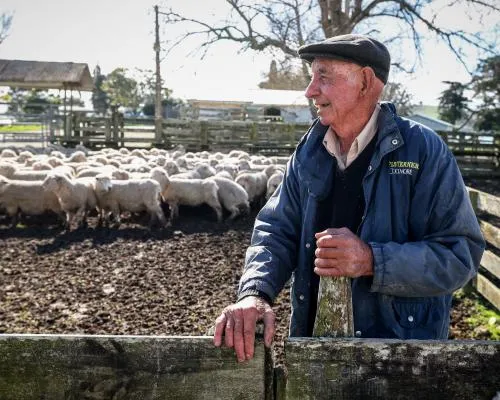
According to Dave Burridge, national wool auction manager for PGG Wrightson, rising oil prices due to conflicts in the Middle East are driving up demand for natural fibres. Major global brands like Chanel, Patagonia, and Kalida Hali are now seeking out New Zealand’s premium wool.
In April 2023, French luxury brand Chanel signed an investment deal with Central Otago’s Lammermoor Station to support the production of premium wool. This follows visits by American outdoor clothing giant Patagonia and Turkish carpet manufacturer Kalida Hali in June and May, respectively.
Market Prices and Future Prospects
The latest national auction held at PGG Wrightson fetched prices that were the highest in 15 years. Crossbred fleeces ranged from NZ$6.47 to NZ$6.80 per kilogram, with top-quality wool reaching nearly $8 a kilogram.
While there is optimism about the industry's future, volatility remains an issue. The July auction saw prices dip slightly due to buyers stepping back after earlier commitments. However, overall prices are up by NZ$2 compared to last year, and Burridge expresses confidence in the long-term prospects for wool.
Government and Industry Reactions
Federated Farmers’ wool and meat manager Richard Dawkins is cautiously optimistic about the industry's future. He notes that strong wool prices have provided a boost to farmers, especially considering the increasing global awareness of sustainability and the unique attributes of wool.
Dawkins also highlights the importance of re-embracing wool within New Zealand culture. The country once thrived on sheep farming and wool production, but this story has been largely lost over the decades. As India becomes a more significant market for New Zealand’s wool due to recent trade agreements, Dawkins emphasizes that both international and local support are crucial for the industry's long-term success.
The revival of New Zealand’s wool industry is not just about market forces; it also represents a cultural reconnection. As Dawkins suggests, embracing this traditional product could bring much-needed stability to an industry that has faced challenges but now shows signs of recovery.
Source: The Guardian

Guardian News World
619 posts
-
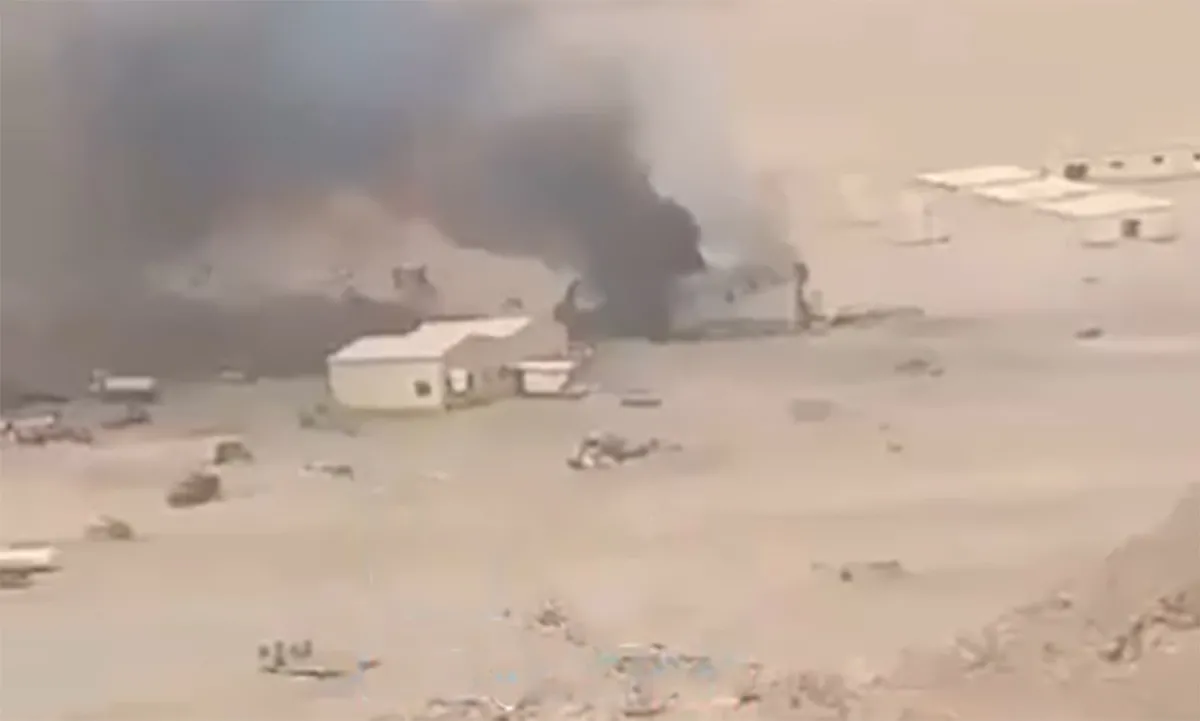 Houthi tập kích lớn chưa từng thấy vào quân chính phủ Yemen: Những đòn tấn công quy mô và hậu quả nghiêm trọng
Houthi mở đợt tập kích lớn chưa từng seen trong nhiều năm, nhằm vào lực lượng thân Arab Saudi tại Yemen, khiến hàng trăm binh sĩ thiệt mạng và doanh trại bị phá hủy.
-
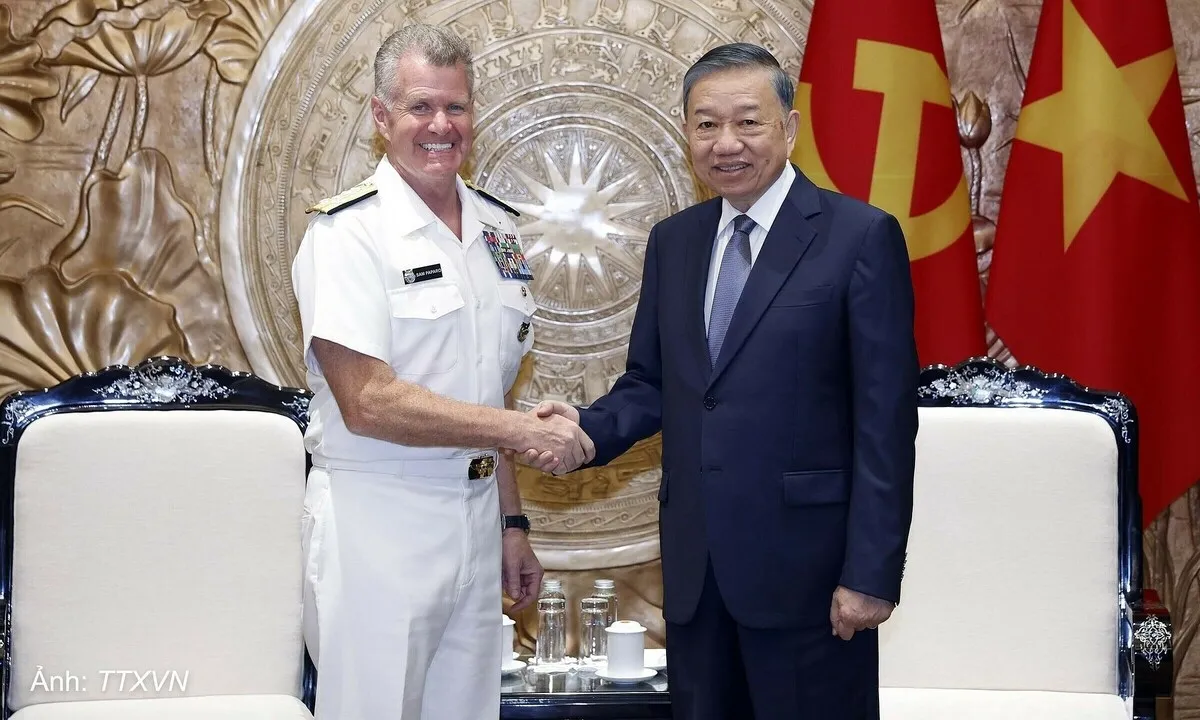 Việt Nam đề nghị Mỹ hạn chế biện pháp phòng vệ thương mại cực đoan: Căng thẳng kinh tế-xung đột chiến lược
Việt Nam đã chính thức đề nghị Hoa Kỳ hạn chế các biện pháp phòng vệ thương mại cực đoan, trong bối cảnh mối quan hệ kinh tế - chiến lược giữa hai nước đang gặp nhiều thách thức. Đây là một bước tiến nhằm bảo vệ l?
-
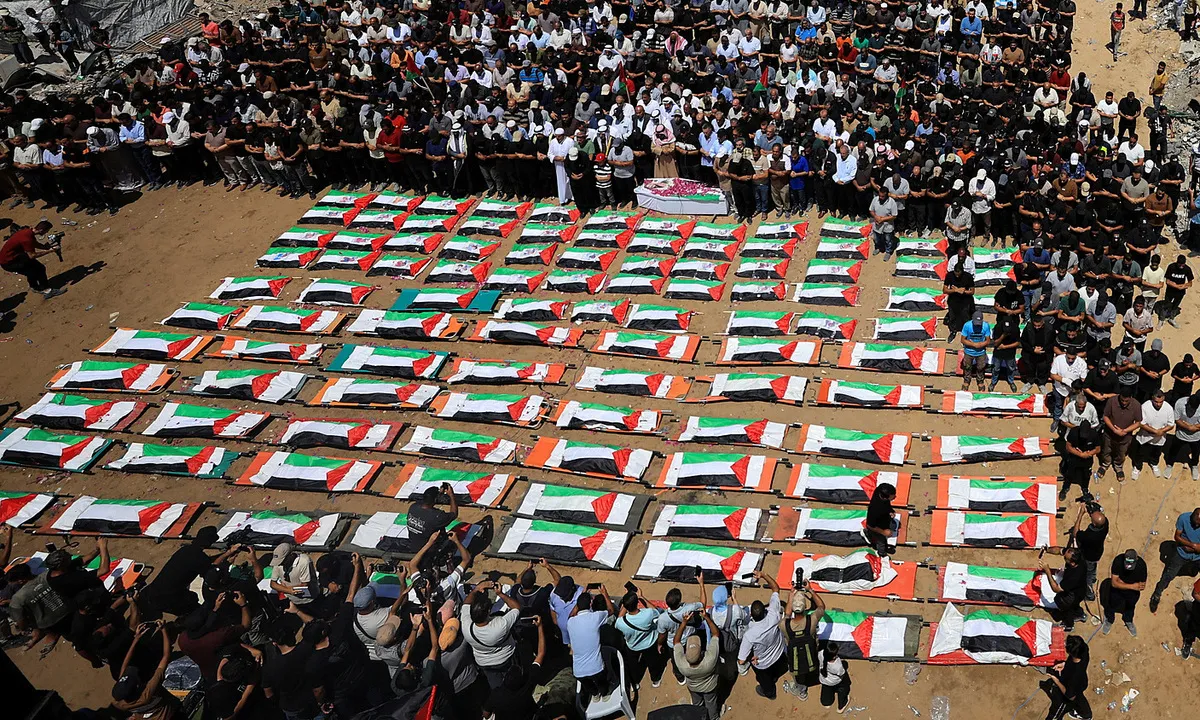 308 thành viên gia tộc Al-Hassayna thiệt mạng sau đòn không kích ở Gaza
Gần ba năm sau vụ không kích san phẳng cụm chung cư Sabra tại Gaza City, đội khai quật Palestine đã tìm thấy và đưa lên 112 thi thể nạn nhân của gia tộc Al-Hassayna. Sự việc khiến hơn một phần hai thành viên đại gia đình Bedouin thiệ
-
 Bộ trưởng Mỹ và Iran: Thỏa thuận Hormuz ở đâu?
Thảo luận về triển vọng thỏa thuận mở eo biển Hormuz giữa Mỹ và Iran, cùng các phản ứng từ cả hai phía.
-
 'Nghĩa địa tàu chiến' Đức Quốc xã trồi lên giữa sông do hạn hán: Nhiều di tích lịch sử bị phơi bày
Hạn hán và nắng nóng kỷ lục đã làm mực nước sông Danube ở châu Âu xuống thấp, phơi bày nhiều di tích lịch sử dưới lòng sông. Tình trạng này không chỉ ảnh hưởng đến giao thông thủy, mà còn gây khó khăn cho ngành công nghiệ
-
 Trump hoãn cuộc tấn công Iran chờ đạt thỏa thuận chấm dứt xung đột
Tổng thống Trump tạm hoãn cuộc tấn công quy mô chưa từng có vào Iran để chờ thỏa thuận chấm dứt xung đột, trong khi truyền thông Iran khẳng định sẵn sàng đáp trả mạnh mẽ. Việc Mỹ tạm hoãn cho thấy họ đang cân nhắc kỹ lư
-
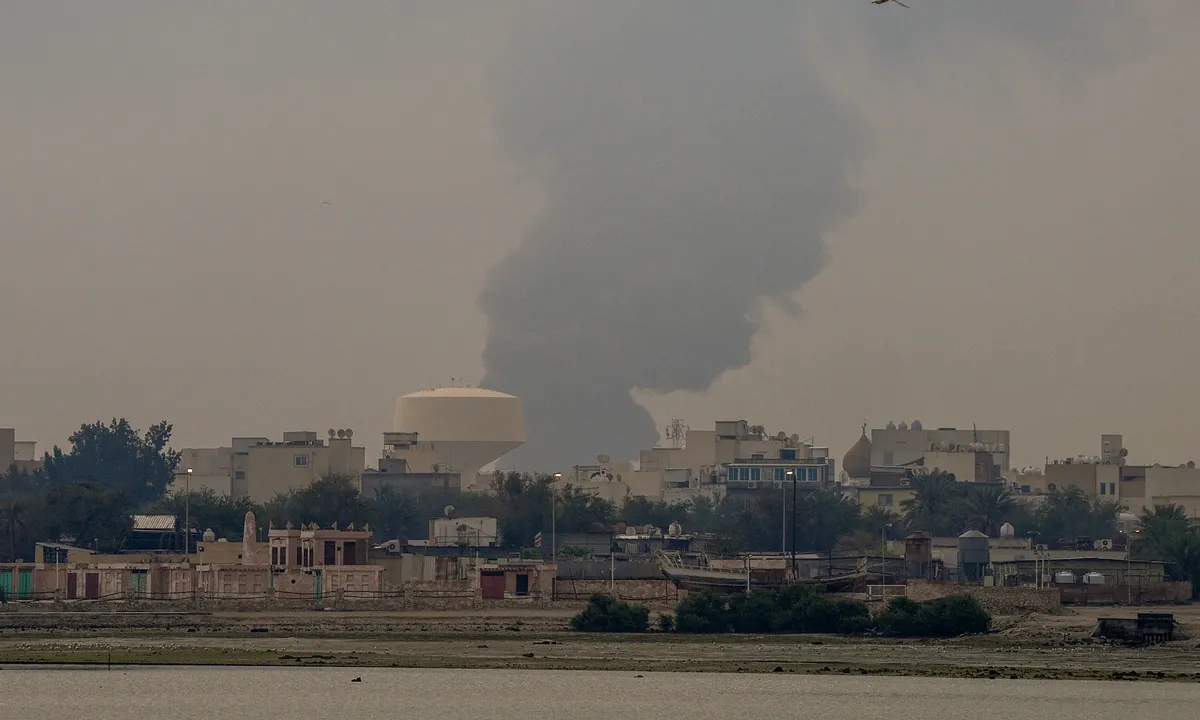 Nóng: Mỹ khuyến cáo công dân rời khỏi Trung Đông, tình hình leo thang đáng lo ngại
Bài viết tổng hợp thông tin từ VnExpress và Tuổi Trẻ về việc Mỹ khuyến cáo công dân rời khỏi Trung Đông do căng thẳng leo thang. Đưa ra các biện pháp an ninh mới của Mỹ, bối cảnh xung đột giữa Iran và Mỹ, và những phản ứng t
-
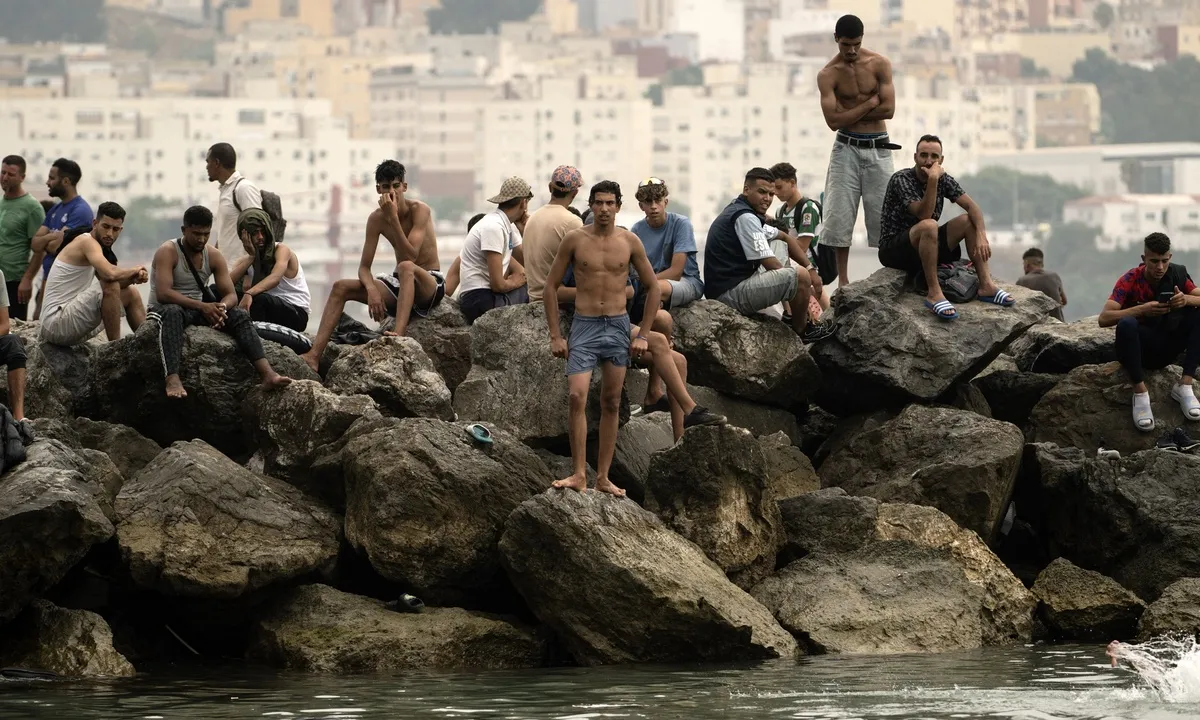 Vì sao hàng chục nghìn người di cư Morocco tràn vào Tây Ban Nha?
Bài viết tóm tắt nguyên nhân và hậu quả của vụ việc hàng chục nghìn người di cư Morocco tràn vào Ceuta, Tây Ban Nha.
-
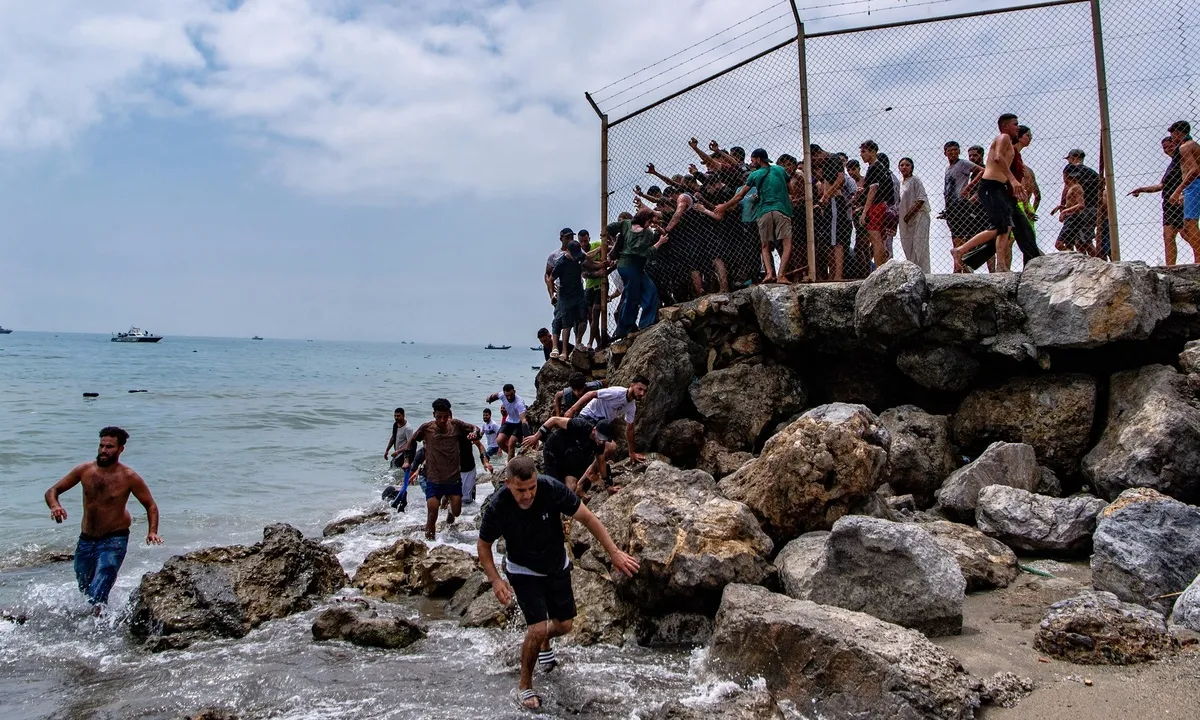 Ceuta: Mũi đất trở thành điểm nóng di cư với 18 người thiệt mạng
Ceuta trở thành tâm điểm của cuộc khủng hoảng di cư sau khi khoảng 49.000 người tràn vào trong 24 giờ, khiến 18 người thiệt mạng. Sự kiện này đã tạo ra nhiều phản ứng từ chính phủ và các đối thủ chính trị.
-
 Tổng thống Mỹ công bố thỏa thuận giải giáp hoàn toàn Hamas: Bước tiến mới trong hòa bình Gaza
Tổng thống Mỹ Donald Trump công bố thỏa thuận giải giáp hoàn toàn Hamas với Israel sau các cuộc đàm phán khó khăn, đặt nền tảng cho quá trình hòa bình tại Dải Gaza.
-
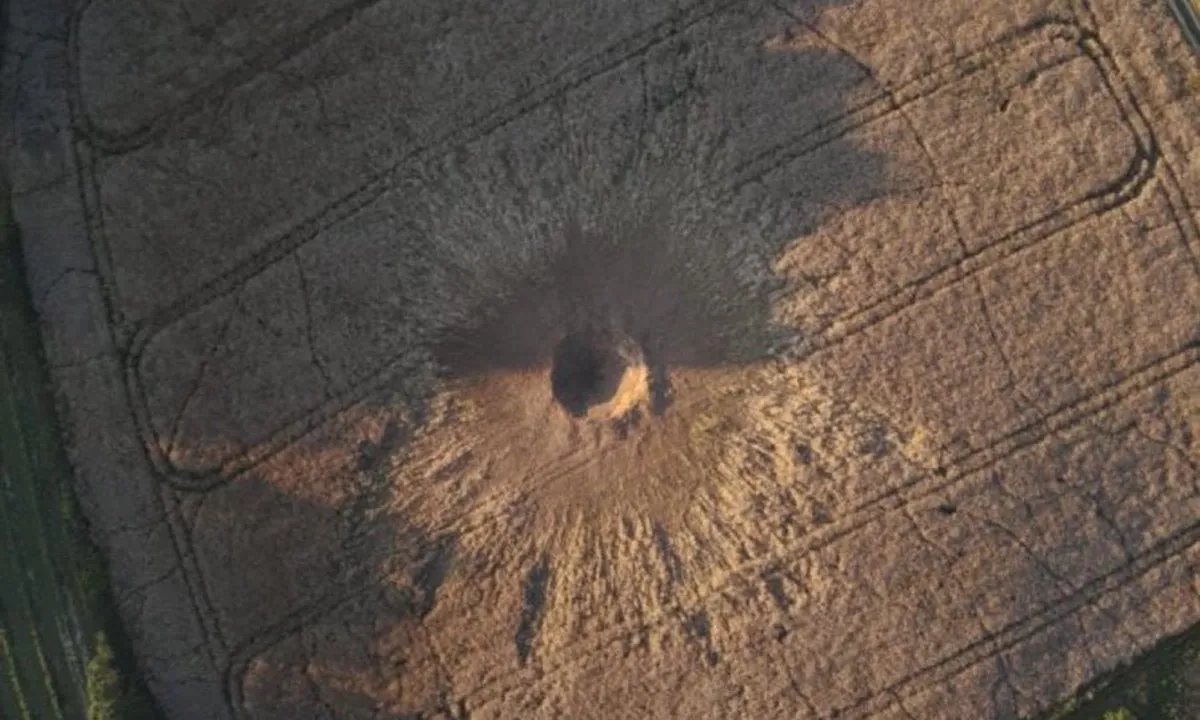 Tên lửa Nga rơi xuống lãnh thổ Ba Lan trong khi Ukraine mất thêm chiến đấu cơ F-16
Bài viết tổng hợp sự kiện tên lửa Nga rơi vào lãnh thổ Ba Lan và sự cố của chiến đấu cơ F-16 Ukraine, cùng phản ứng từ các bên liên quan.


