- Foster + Partners cleared of responsibility in the death of a man from falling window.
- Project managers St James and engineers Lindner Prater found guilty of safety breaches.
- The incident occurred at the Corniche, a luxury tower block development on Albert Embankment, London.
Incident Overview
A court in Inner London ruled that Foster + Partners, the architect behind some of the world's most iconic buildings like the Gherkin and Reichstag, was not responsible for the death of Mick Ferris, a coach driver who died when a window fell from a newly constructed penthouse on Albert Embankment. The incident occurred at the Corniche, a luxury development where the window, weighing 130kg (287lbs), dropped 90 meters to the street below, killing Mr. Ferris instantly.
Legal Rulings and Details
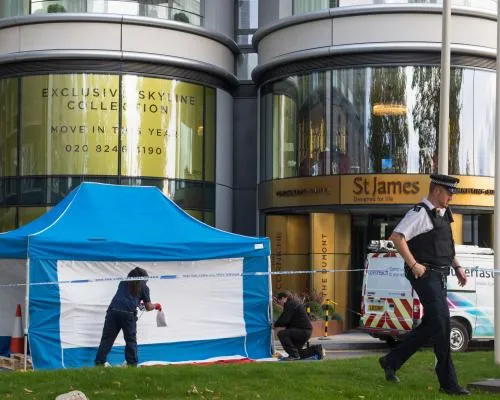
The prosecution brought charges against Foster + Partners, their design engineers Wintech, project managers St James, and engineering firm Lindner Prater for safety breaches under the Health and Safety at Work Act 1974. After deliberating for over 11 hours, the jury cleared F+P and Wintech but found St James and Lindner Prater guilty of neglecting public safety.
The incident was preceded by a similar falling window panel in August 2017, which miraculously did not result in any injuries. However, the court heard that no changes were made to address potential risks, despite the danger posed by outward-opening windows. The prosecution argued that the death of Mr. Ferris was foreseeable and that the designers had ignored significant concerns.
Expert Opinions and Reactions
A spokesperson for Foster + Partners expressed condolences to Mr. Ferris's family: We note the court’s decision and are grateful to the jury for the time and care they have taken in considering this matter.
Similarly, Wintech stated their commitment to learning from such incidents, while St James acknowledged the verdict and pledged to reflect on its implications.
Lindner Prater has yet to comment officially on the court's decision. The prosecution highlighted that F+P should have anticipated risks due to their extensive experience with glass-covered buildings like the Gherkin. Despite being involved in the visual aspects of design, Foster + Partners' lawyers argued that the firm’s role was limited and focused on aesthetics rather than technical issues.
Future Implications
The case highlights the critical importance of adhering to safety protocols in construction projects, especially those involving innovative designs. As an industry, there is a renewed focus on strengthening standards and practices to prevent similar tragedies. The legal outcome serves as a reminder for all stakeholders involved in architectural and engineering projects to prioritize public safety meticulously.
Source: The Guardian

Uk News Feed
370 posts
-
 Hong Kong's Dim-sum Añadido a los Nombres de Tifones
El contribuyente de Hong Kong 'Dim-sum' se ha añadido oficialmente al listado de nombres de tifones para la región del Pacífico Oriental, reflejando la cultura local e incrementando el conocimiento sobre ciclones tropicales.
-
 Hong Kong's Dim-sum Added to Typhoon Names
Hong Kong's contribution of 'Dim-sum' has been added to the official list of typhoon names for the Asia-Pacific region, reflecting local culture and enhancing cyclone awareness.
-
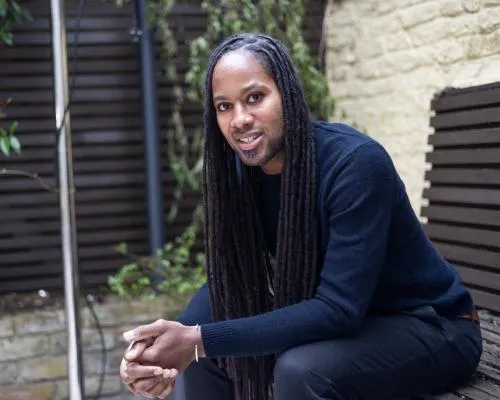 Académicos piden investigación independiente sobre la controvertida designación de Jason Arday en Cambridge
 -
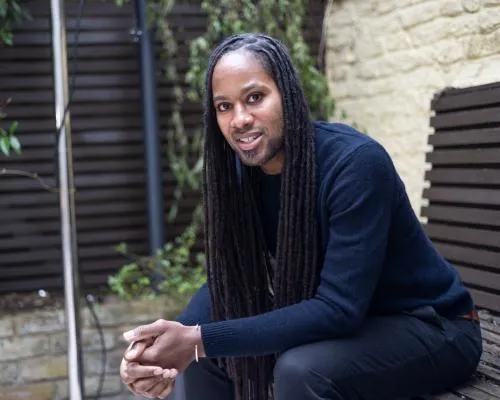 Academics Call for Inquiry into Jason Arday’s Controversial Appointment at Cambridge
Academics are calling for an independent inquiry into Jason Arday's controversial appointment as a professor at the University of Cambridge, alleging that the process was rushed to improve diversity.
-
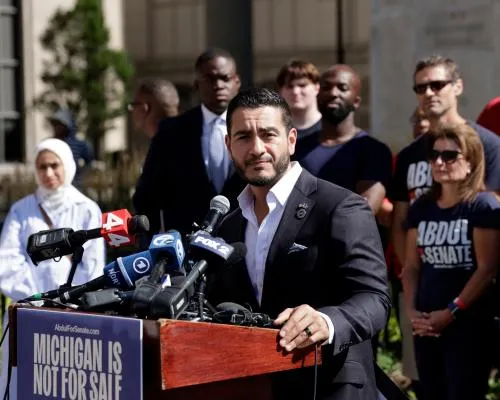 Vitória Democrata para o Progressista Abdul El-Sayed: Crucial para a Batalha do Senado nas Eleições de Mídia
 -
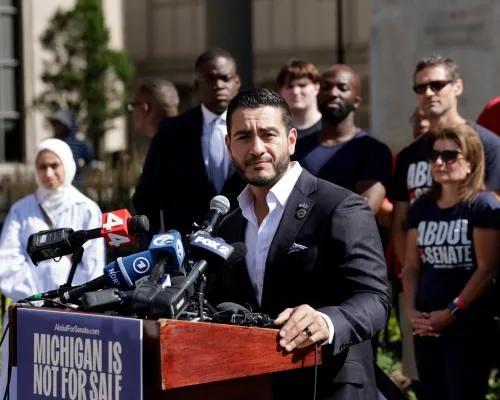 Democratic Victory for Progressive Abdul El-Sayed: Key for Senate Midterm Push
Democratic candidate Abdul El-Sayed has won the Michigan Senate primary, unifying Democrats and raising questions about their strategy for the upcoming midterms.
-
 Federal Judge Temporarily Halted Order for Trump to Turn Over Financial Records in BBC Libel Case
 -
 Federal Judge Temporarily Halted Order for Trump to Turn Over Financial Records in BBC Libel Case
A federal judge has temporarily halted an order requiring Donald Trump to turn over financial records as part of his libel lawsuit against BBC.
-
 Strategi UK Terhadap Pengecekan Kapal Kecil: Sudah Berhasilkah?
 -
 Estrategia del Reino Unido para cruze de lanchas pequeñas: ¿Ha sido efectiva?
La estrategia británica contra los cruceros en lanchas pequeñas ha logrado reducir un 43% el número de llegadas este año, pero los desafíos persisten.


