E-Scooters Pose Greater Risk of Traumatic Injuries Compared to Motorcycles and Cycles

- E-scooter riders are three times more likely to suffer traumatic brain injuries than motorcyclists.
- Women are particularly at risk, with a third more collisions and twice the likelihood of severe injuries.
- Children also face significant risks, accounting for 16% of e-scooter injuries in those under 18.
Higher Risk of Traumatic Injuries
A recent analysis of accidents involving electric scooters (e-scooters) in England and Wales reveals that riders are three times more likely to suffer traumatic brain injuries than motorcyclists. The study, conducted by David Bodansky from Chelsea and Westminster hospital NHS foundation trust, highlights the severity of this risk.
Gender-Specific Risks
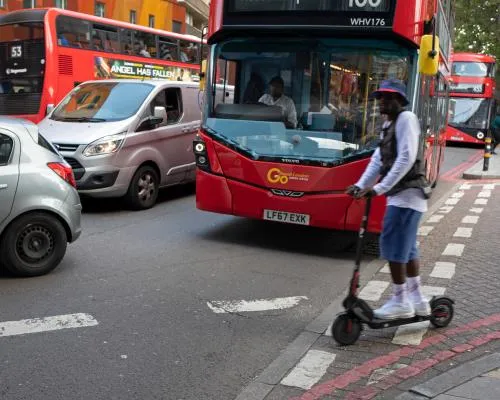
The analysis also found that women were significantly more at risk compared to men. Women involved in e-scooter accidents experienced about a third more collisions and were over twice as likely to report severe injuries than their male counterparts. These findings have led experts to call for greater safety measures, particularly targeting the gender-specific issues of chest injuries.
Risks for Children
Children are also at significant risk when using e-scooters. The study reported that 16% of all e-scooter-related injuries involved individuals under 18 years old, highlighting a pressing need for safer designs and regulations to protect younger users.
Call for Safety Improvements
To mitigate these risks, experts recommend making e-scooters more stable, especially for women who often suffer chest injuries due to handlebars that are typically designed for men. Mandatory safety training and the use of helmets could also significantly reduce injury rates.
Design and Usage Issues
Bodansky attributes part of the risk to design flaws, noting that e-scooters with small wheels are prone to getting caught in potholes, leading to riders going head over heels. The study also pointed out that less than 6% of e-scooter users reported wearing helmets, underscoring a need for better safety measures.
Government Response and Future Legislation
A Department for Transport spokesperson emphasized the seriousness of these findings, stating that road safety remains their top priority. They are currently testing the use of e-scooters in controlled environments before potentially updating laws to ensure safer usage across the board.
Source: The Guardian
Science Daily
155 posts
-
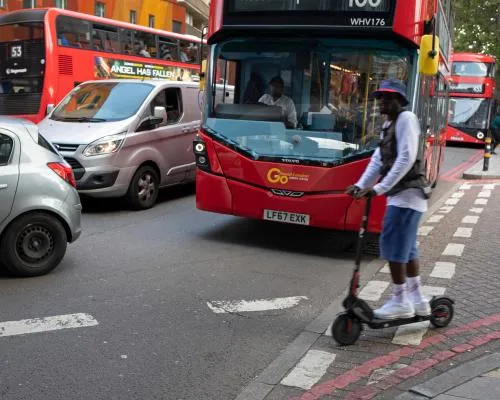 Electric Scooters Pose Higher Risk of Traumatic Brain Injuries
Electric scooters pose a higher risk of traumatic brain injuries compared to motorbikes, according to an analysis of accidents in England and Wales.
-
 User Experiences with GLP-1 Drugs: Share Your Stories
The Guardian invites readers to share personal experiences with GLP-1 drugs that did not work as expected, focusing on reasons and alternative treatments.
-
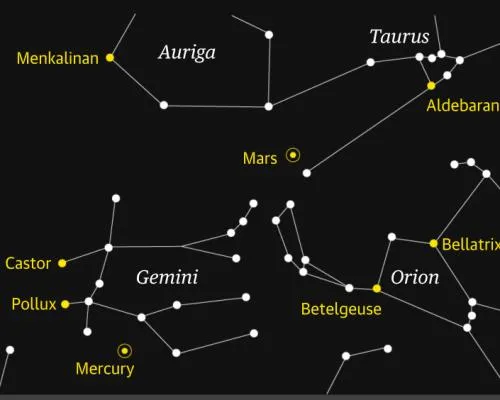 Morning Skywatch: Catch Mercury's Best Show of the Year
This week offers an exceptional opportunity to observe Mercury, which reaches its greatest western elongation on Sunday. Binoculars can aid in spotting the small planet, but caution must be exercised before sunrise.
-
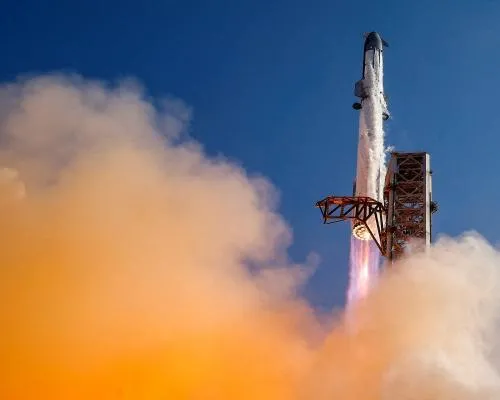 SpaceX Delivers Strong Revenue Growth but Faces Profitability Concerns
SpaceX reported a 92% increase in second-quarter revenue, but the company remains unprofitable and faces ongoing investor concerns.
-
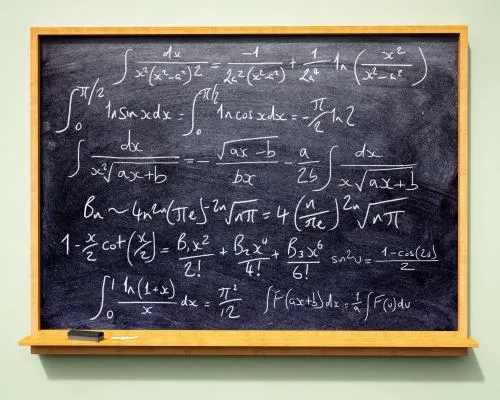 Mathematical Genius Alex Chui Solves Complex Puzzle
British student Alex Chui breaks records at the International Mathematical Olympiad with perfect scores and proposes a complex puzzle.
-
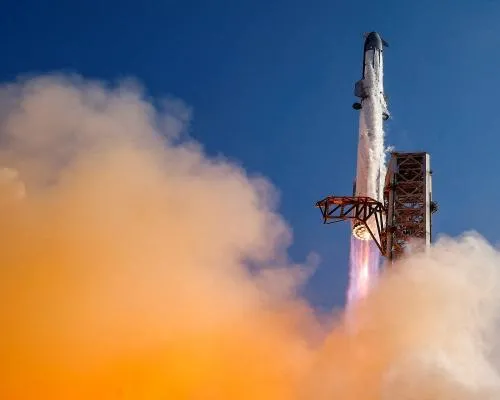 SpaceX Reports Strong Q2 Earnings Despite Stock Decline
SpaceX reported stronger-than-expected revenue but still faces significant challenges as its stock plummets post-IPO. Despite progress on key projects, investors remain uncertain about the company's long-term financial prospects.
-
 Revolutionary Telescope Unveils Sun's Mysteries in Never-Before-Seen Detail
New observations from the Inouye solar telescope provide unprecedented detail of the sun's surface, including swirling vortices that could explain coronal heating and solar flares.
-
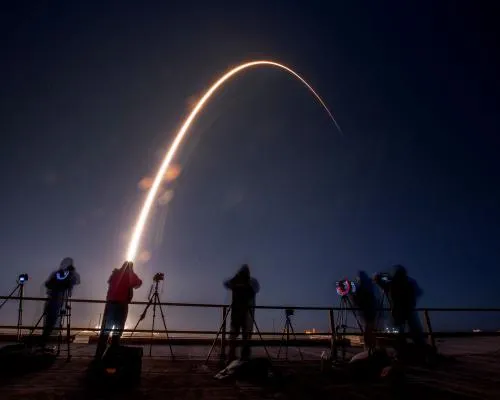 SpaceX Rocket Stage Crashes Into Moon: A Rare Incident of Lunar Impact
A four-tonne piece of a discarded SpaceX rocket crashed into the moon at high speed, creating a new lunar crater and posing no danger to Earth.
-
 Mathematical Puzzler: Exploring Grid Possibilities
A mathematical puzzle involving filling a 3×3 grid with numbers such that each row and column multiplies to 30, revealing the importance of prime factors in solving it.
-
 Study Reveals Link Between Early Social Media Use and Lower School Performance
A study finds that children who start using social media early tend to perform worse academically, suggesting a link between constant smartphone use and educational development.


