- Employers lost 23,000 jobs in July, revising downward estimates for previous months.
- The unemployment rate remained stable at 4.1%, but economists predict this may change due to new data.
- Pressure on the Federal Reserve to raise interest rates has been reduced by these revised figures.
Unexpected Job Losses and Revised Estimates
The United States experienced an unexpected job loss of 23,000 positions in July, a stark contrast to the 83,000 jobs economists had forecasted. Moreover, revisions for May and June brought down total job gains by 103,000, making the overall picture of the labor market less favorable than previously indicated.
Impact on Unemployment Rate
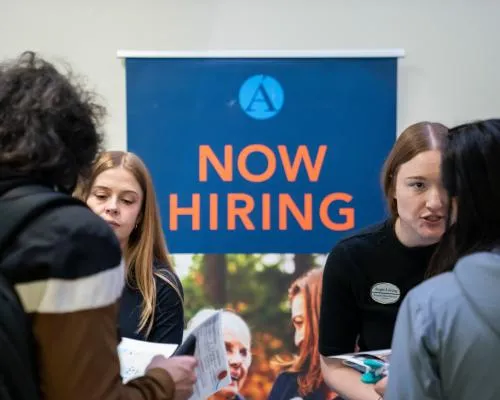
The unemployment rate held steady at 4.1%, but this stability may be short-lived given new data. Economists anticipate that upcoming consumer pricing figures will play a critical role in shaping monetary policy decisions, particularly regarding interest rates. The Federal Reserve has been under pressure to raise rates due to persistent inflation, but the latest jobs report could temper those expectations.
Industry-Specific Trends
The job losses were concentrated in local government education and retail sectors, with 50,000 positions eliminated in education and 19,000 in retail. The private sector managed to add 30,000 jobs, with growth primarily observed in healthcare.
Broad Economic Concerns
The data suggests a slowdown in hiring activities, with private employers adding just 44,000 jobs according to payroll firm ADP, down significantly from the 98,000 reported for June. Job openings in healthcare and social assistance declined by 147,000 in June.
Political Reactions
The data underscored the ongoing challenges faced by the US economy as it navigates through a period of reduced hiring activity and inflationary pressures. The upcoming consumer pricing data will be crucial in determining whether interest rates should rise or remain unchanged, impacting future economic policies.
Economists are closely watching the labor market and inflation as officials at the Federal Reserve have become divided on whether to raise interest rates or leave them unchanged. Though the Fed held rates steady last month, officials indicated that they expect at least one rate hike before the end of the year to combat price increases.
The annualized inflation rate in June was 3.5%, up 0.8% from a year prior. Ellen Zentner, chief economic strategist at Morgan Stanley Wealth Management, noted that if inflation data comes in hotter than expected, a cooler labor market may not be enough to quiet calls for hikes inside the Federal Reserve or lower expectations outside it.
The personal savings rate for Americans hit a four-year low, according to the US Bureau of Economic Analysis. “With immigration having largely been stopped – and possibly now a net negative – the labor force is growing very slowly,” wrote Dean Baker, economist and co-founder of the Center for Economic and Policy Research, in a post on what to expect from the July jobs report.
However, slower wage growth, even in the face of rising inflation, indicates it is not a very good labor market for most workers. That story does not seem likely to change any time soon.
Source: The Guardian

Business Daily
341 posts
-
 US Airfares Likely to Remain High Despite Potential Oil Price Drop
Despite potential drops in oil prices due to a possible US-Iran ceasefire, experts predict that airfares will likely remain high due to strong demand and refinery closures.
-
 Global Food Prices Reach Three-Year High Amid Weather Events and Conflicts
Global food prices have hit their highest level in three years due to heatwaves, conflict, and weather events. The UN FAO reports significant increases in cereal, sugar, and vegetable oil prices, with potential long-term effects on consumer costs.
-
 Global Food Prices Reach Three-Year High Due to Weather Events and Conflicts
Global food prices have reached their highest level in three and a half years, driven by heatwaves affecting wheat yields and conflicts disrupting export flows.
-
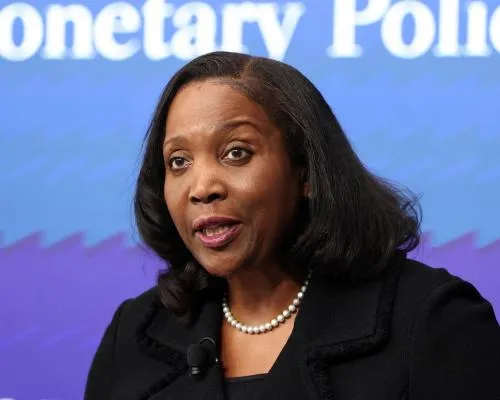 White House Reaffirms Bid to Remove Federal Reserve Governor Lisa Cook
President Trump is considering removing Federal Reserve Governor Lisa Cook from her position despite a supreme court ruling that upheld the bank's independence. Cook's lawyers argue the accusations are baseless.
-
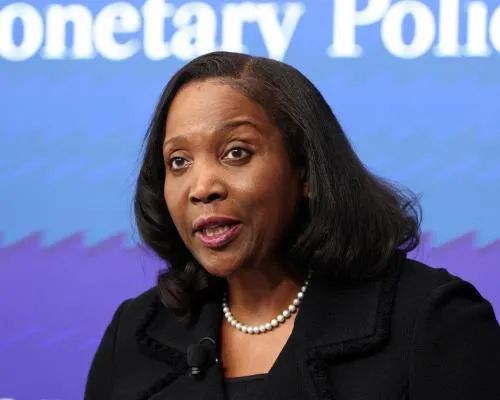 Trump Repeats Bid to Dismiss Fed Governor Lisa Cook Amid Supreme Court Ruling
President Trump attempts to oust Fed Governor Lisa Cook amid a Supreme Court ruling upholding the Federal Reserve’s independence.
-
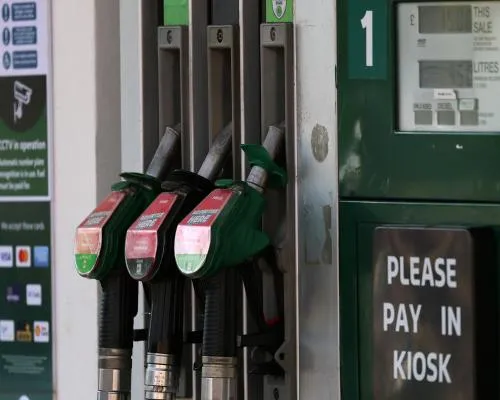 Global Markets Sway as Oil Prices Fall Amid Middle East Peace Talks
Global markets showed mixed reactions as oil prices fell on hopes of Middle East peace talks, while stock markets saw varied performances. Key industries like pharmaceuticals reported strong financial results amid ongoing uncertainties.
-
 Jetstar’s New Carry-On Luggage Fee Sparks Concerns Over Airfare Transparency
Jetstar's new policy on carry-on luggage charges raises concerns among experts who warn of increased complexity in airfare comparisons.
-
 AstraZeneca’s Non-Deal with Bristol Myers Squibb Puzzles Investors
AstraZeneca’s decision not to pursue a takeover of Bristol Myers Squibb puzzles investors, with questions raised about corporate strategy and the potential impact of AI on the pharmaceutical industry.
-
 AstraZeneca: Shareholder Fears Over Non-Deal With Bristol Myers Squibb
AstraZeneca reportedly abandoned talks with Bristol Myers Squibb for a $400 billion merger, leading to shareholder concerns and questions about CEO Pascal Soriot’s strategy.
-
 M&S Unveils Pantheon Revamp: A Blueprint for Future Growth
Marks & Spencer's chief executive Stuart Machin unveils plans for modernizing stores and supply chains to drive growth amid challenges from competition.


