- The case of Jason Arday, a Black Cambridge professor accused of plagiarism, has sparked broader discussions on academic standards and institutional racism.
- Arday's fall from grace illustrates the complex dynamics between reputation management and race in elite institutions.
- Critics argue that his rise to prominence, and subsequent downfall, reflect the ambiguous expectations placed on Black professionals in public life.
- The incident raises questions about tokenism and the superficial nature of diversity initiatives in post-Black Lives Matter Britain.
Overview of the Jason Arday Case
British sociologist Jason Arday, a 41-year-old Black professor at Cambridge University, has faced accusations of plagiarism in his PhD thesis and CV exaggeration. Despite initial denials, a growing body of evidence suggests otherwise, leading to an ongoing investigation by both Liverpool John Moores University and Cambridge University.
Academic Scrutiny and Plagiarism Claims
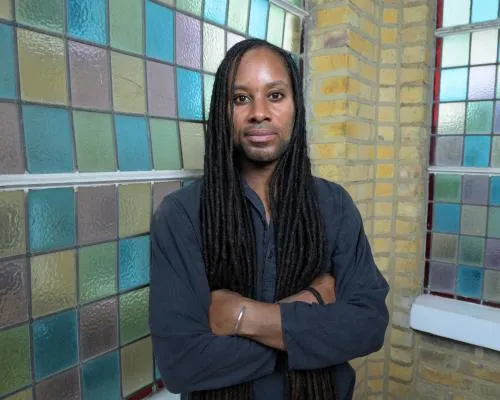
The scrutiny of Arday's academic credentials began last week when The Telegraph reported that a significant number of passages in his thesis closely resembled another student's work. This prompted a detailed investigation by the Guardian, which revealed further claims from senior academics that Arday had engaged in plagiarism.
Arday denied these allegations, maintaining that his work was entirely original and claiming to have faced numerous threats of violence. However, despite extensive reporting, no concrete evidence supported his assertions of harassment or academic dishonesty.
The Broader Context: Race, Tokenism, and DEI
Nesrine Malik, a Guardian columnist and Long Wave writer, has observed that the Arday case encapsulates larger issues surrounding race and academic integrity. She argues that the incident highlights how tokenistic and superficial diversity initiatives can be in elite institutions.
Malik notes that Cambridge University's five Black professors when Arday was hired suggest a context where high-visibility hires were made without substantial oversight of their work or personal claims, leading to potential missteps in judgment and public perception.
Institutional Responses and the Future
The Arday case underscores the challenges of balancing academic integrity with the pressures of institutional reputation management. Critics argue that his rise and fall reflect a broader issue of how Black professionals are held to different standards, both positively and negatively, in diverse fields.
Malik emphasizes the need for a comprehensive approach to racial justice that extends beyond superficial gestures and symbols, advocating for meaningful changes across various sectors including academia, media, politics, and corporate environments.
Source: The Guardian

Guardian News World
624 posts
-
 Colombia's Last Guerrilla Group Readies for Conflict
Colombia’s last guerrilla group, ELN, prepares for potential conflict as new president vows renewed military engagement. Ideological commitment and economic challenges define the group's stance in the ongoing 62-year-old armed conflict.
-
 Houthis Strike Yemen and Saudi Arabia, Heightening Middle East Crisis
Houthi strikes in Yemen and Saudi Arabia heighten regional tensions as both nations prepare for potential coordinated military actions, raising concerns over a broader escalation.
-
 Colombia's Last Guerrilla Group Readies for Renewed Conflict
The National Liberation Army (ELN) in Colombia prepares to restart combat operations as President-elect Abelardo de la Espriella plans a new military offensive.
-
 Thailand School Shooting: Suspect Killed Eight After Targeting Teachers and Students
A 14-year-old student killed eight people, including his grandparents and teachers at Debsirin School in Nonthaburi province, Thailand.
-
 New Zealand’s Wool Industry Revives After Decades of Decline
New Zealand's once-declining wool industry is experiencing a comeback due to rising demand for natural fibers and support from major brands.
-
 Nearly 50 Asylum Seekers Deported Under ‘One in One Out’ Scheme Return to UK
Nearly 50 asylum seekers have returned to the UK after being deported under the 'one in one out' scheme with France. The Home Office maintains that repeat arrivals will be removed, but critics argue these claims are not always upheld.
-
 Architects Exonerated Over Fatal Penthouse Window Accident
A court cleared Foster + Partners of responsibility in the death of a man killed by a falling window at a luxury development, but found project managers St James and engineers Lindner Prater guilty of safety breaches.
-
 Hong Kong's Dim-sum Added to Typhoon Names
Hong Kong's contribution of 'Dim-sum' has been added to the official list of typhoon names for the Asia-Pacific region, reflecting local culture and enhancing cyclone awareness.
-
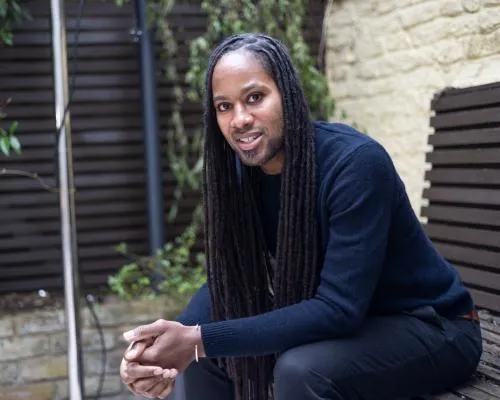 Academics Call for Inquiry into Jason Arday’s Controversial Appointment at Cambridge
Academics are calling for an independent inquiry into Jason Arday's controversial appointment as a professor at the University of Cambridge, alleging that the process was rushed to improve diversity.
-
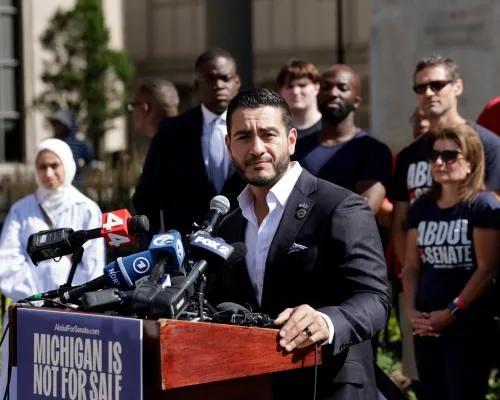 Democratic Victory for Progressive Abdul El-Sayed: Key for Senate Midterm Push
Democratic candidate Abdul El-Sayed has won the Michigan Senate primary, unifying Democrats and raising questions about their strategy for the upcoming midterms.


