- East Midlands Railway announces service cuts due to train malfunctions.
- Union Aslef calls for strike action on LNER lines amid unresolved pay disputes.
- Avanti West Coast drivers also considering industrial action over pay negotiations.
Service Cuts Due to Train Malfunctions
Rail passengers in Great Britain face significant disruption this summer, with East Midlands Railway (EMR) planning to cancel hundreds of services on the Midland mainline. The cancellations are a direct result of ongoing issues with EMR's newly introduced class 810 Hitachi trains, colloquially known as Auroras. Despite being rolled out just over a year ago, these bi-mode trains have struggled with performance and reliability problems. EMR cited 'performance and reliability issues' and 'significantly impacted maintenance' from the existing fleet, leading to a temporary reduced timetable.
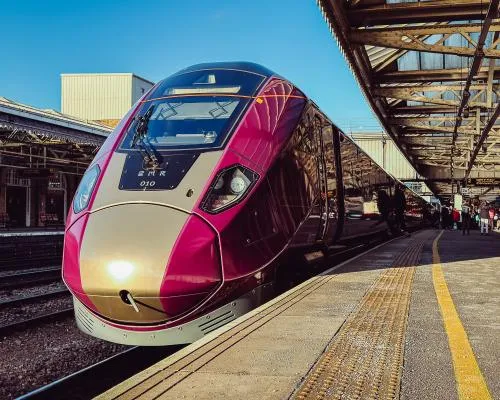
The affected services include about 20 fast trains per day between London, Sheffield, and Nottingham, which are likely to be crowded due to fewer available options. Will Rogers, EMR's managing director, acknowledged the situation, stating: 'The performance of the class 810 fleet has fallen below the levels we and our customers expect, and it is necessary to introduce a temporary reduced timetable while we work with the manufacturer, Hitachi Rail, to improve consistency in service.'
Strike Ballots Amid Pay Disputes
The ongoing issues have led to strike ballots being called by the train drivers' union Aslef. A ballot on LNER services is currently underway, and similar actions are planned for Avanti West Coast. Dave Calfe, Aslef's general secretary, expressed frustration over a lack of progress in pay negotiations, saying: 'The company’s failure to make a suitable offer is unacceptable and that’s why we are balloting our members for industrial action.'
Aslef has not renewed an agreement on rest-day working conditions with Avanti West Coast, resulting in some service cancellations. Meanwhile, EMR attributes the issues partly to inadequate maintenance of the existing class 222 trains, which were intended to be replaced by the new Auroras.
Industry Partnerships and Government Involvement
Hitachi Rail, the manufacturer of the affected trains, acknowledged ongoing collaboration with industry partners. A spokesperson stated: 'We continue to work closely with all industry partners... implementing improvements and supporting the transition.' The Department for Transport (DfT) has also become involved, refusing to sign off a proposed pay deal at East Coast operator. Despite this, the DfT remains optimistic about reaching a resolution, encouraging continued constructive engagement between parties.
These developments highlight the challenges facing rail operators and passengers alike as they navigate a complex web of technical issues, contractual disputes, and customer dissatisfaction. The interplay between train manufacturers, unions, government bodies, and service providers underscores the ongoing struggle to deliver reliable and efficient railway services in the UK.
Source: The Guardian

Uk News Feed
333 posts
-
 Frequency of Mosque Attacks Puts Spotlight on Security Concerns
A new report highlights the frequency of mosque attacks in Britain, with one attack every five days over the past year.
-
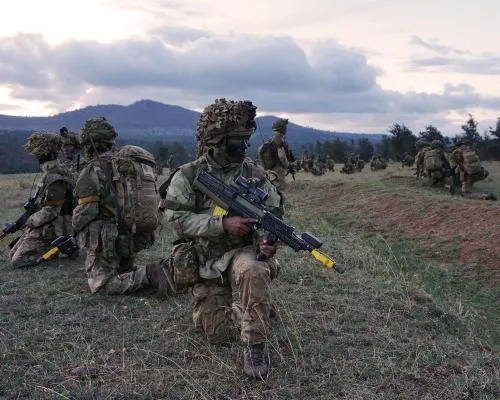 British Army Training in Kenya Suspended Amid Disputes
The British Army has cancelled its September training in Kenya due to disagreements over funding, jurisdiction for criminal offences, and human rights concerns.
-
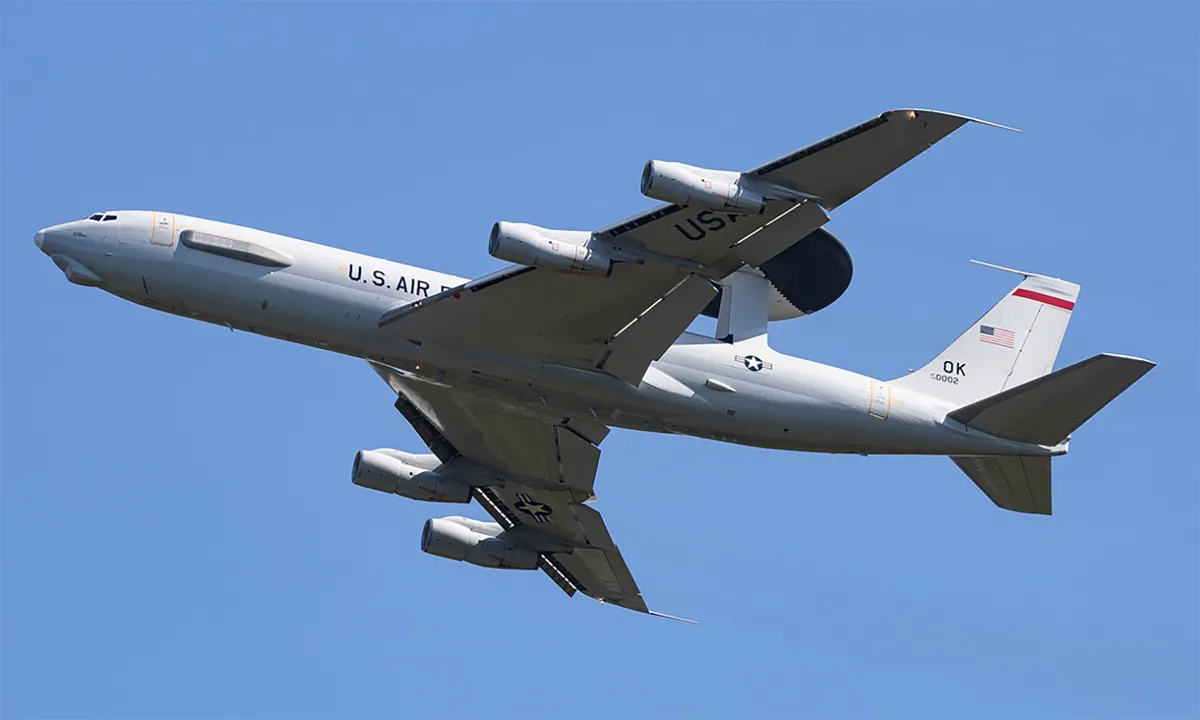 Máy bay 'mắt thần' Mỹ phát tín hiệu khẩn nguy giữa đợt tập kích Iran: Ý nghĩa chiến lược
Máy bay cảnh báo sớm E-3 Sentry của Mỹ phát tín hiệu khẩn nguy trên vùng trời Arab Saudi khi quân đội Mỹ tiến hành chiến dịch tập kích Iran. Ý nghĩa thực sự đằng sau hành động này là gì?
-
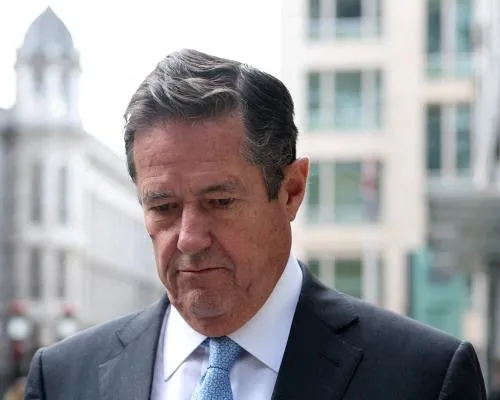 Barclays Former CEO Jes Staley Set to Testify on Epstein Ties in Closed Hearing
Barclays ex-CEO Jes Staley is set to testify before US lawmakers about his past relationship with Jeffrey Epstein as part of an investigation into the convicted sex offender’s network.
-
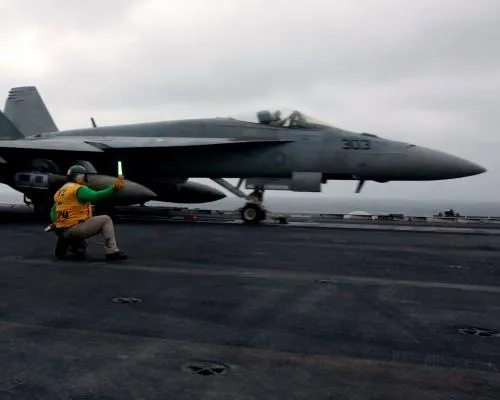 Yemen’s Houthis Claim Oil Tanker Attacks as U.S. Launches New Strikes on Iran
Yemen’s Houthi group claims attacks on two Saudi oil tankers in the Red Sea as U.S. military launches new strikes against Iran, further disrupting global shipping routes.
-
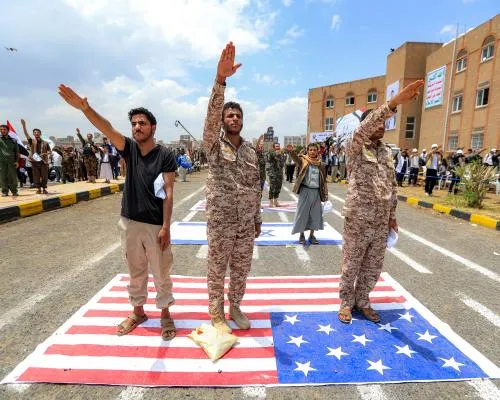 Houthi Strikes Target Two Saudi Tankers in Red Sea Amid Escalating US-Iran Tensions
Houthi militia claims responsibility for attacks on two Saudi tankers in the Red Sea as U.S. intensifies its military operations against Iran.
-
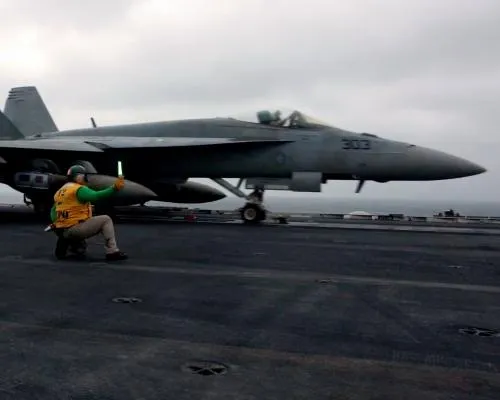 US Strikes on Iran Continue Amid Oil Price Concerns
Oil prices rise as tensions between the U.S. and Iran escalate, with Houthi attacks on oil tankers in the Red Sea and a controversial nuclear deal signed by both countries.
-
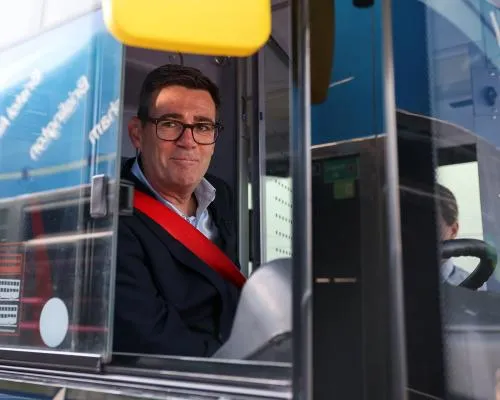 Andy Burnham's Domestic Focus Could Quietly Enhance UK-EU Relations
Andy Burnham's focus on domestic issues could lead to unexpected alignments with EU priorities, potentially enhancing UK-EU relations.
-
 U.S.-Iran Tensions Escalate: A Global Crisis Emerges
The ongoing conflict between the U.S. and Iran over the Strait of Hormuz has escalated into a global crisis, with economic repercussions and geopolitical tensions intensifying.
-
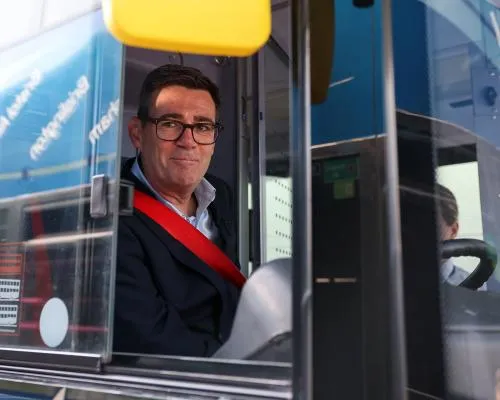 Andy Burnham's Domestic Agenda Could Unintentionally Align UK More Closely With EU
Andy Burnham's focus on domestic policy could unintentionally bring Britain closer to the EU through practical cooperation in areas like technology and regional development.
-
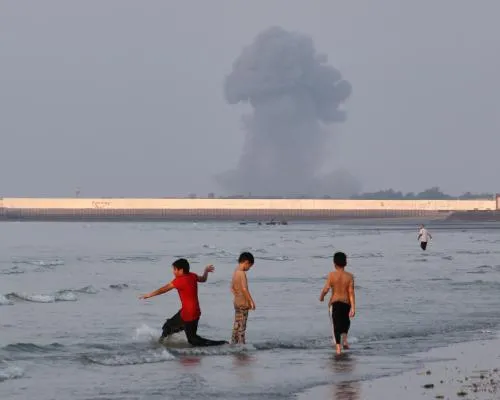 Iranians Grapple with New Normal Amidst Escalating Conflict
As conflicts intensify in Iran, daily life becomes increasingly difficult with bombings, power cuts, and water shortages. The situation raises concerns about human rights and the impact on civilians.


