- The U.S. launched its 11th consecutive attack on Iran, escalating a conflict that has no easy resolution.
- Vali Nasr explains the miscalculation behind Trump’s decision to bomb Iran and the difficulty of achieving regime change.
- Economic repercussions are spreading globally, with potential for oil prices to rise and global growth to slow.
The Escalation of Conflict
On Wednesday, less than 48 hours after assuming office, British Prime Minister Andy Burnham held his first conversation with U.S. President Donald Trump. The dialogue began with seemingly innocuous topics such as football and the city of Manchester but quickly turned to the contentious issue of Iran’s control over the Strait of Hormuz. This maritime chokepoint is vital for 20% of global oil shipments, making it a key battleground in the ongoing conflict.
A Miscalculated War
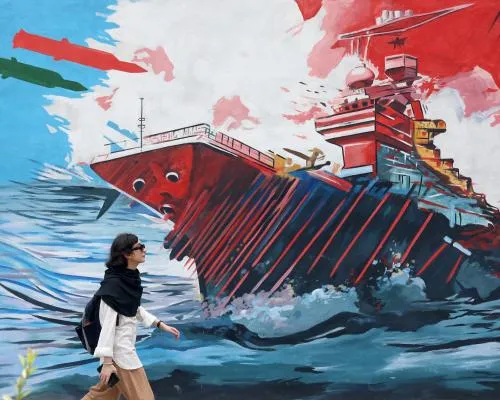
Professor Vali Nasr from Georgetown University provides insight into Trump’s misstep, stating that “in his mind, this was a legacy-building transformation that would be quick and cost-free.” However, Nasr argues that Trump drastically underestimated Iran’s resilience. The U.S.-led airstrikes have not only failed to bring about regime change but also risked escalating the conflict into a wider regional war. Defense Secretary Pete Hegseth estimated the cost at $37.5 billion, highlighting the financial strain on both nations.
Global Economic Impact
The fallout from this conflict extends far beyond its borders. The closure of the Strait of Hormuz is sending shockwaves through global markets. Vali Nasr warns that if no agreement can be reached by 2027, global economic growth could decline by as much as 1.3%. Europe, which has increasingly relied on Middle Eastern gas supplies since the Russia-Ukraine conflict, may face shortages and higher energy prices.
Future of Navigation
The U.S. proposal to charge tolls for ships passing through the Strait of Hormuz highlights a disregard for international law. This approach could lead to increased militarization of other shipping routes as nations seek to protect their interests, Nasr suggests. The potential for other countries to use similar strategies to control their own waterways raises concerns about a broader shift towards protectionism in maritime commerce.
Conclusion
The ongoing conflict between the U.S. and Iran over the Strait of Hormuz has significant implications for global stability and economic health. As negotiations continue, the stakes are high, with both nations facing potential long-term consequences if they fail to find a resolution that restores freedom of navigation and avoids further escalation.
Source: The Guardian

Guardian News World
572 posts
-
 Frequency of Mosque Attacks Puts Spotlight on Security Concerns
A new report highlights the frequency of mosque attacks in Britain, with one attack every five days over the past year.
-
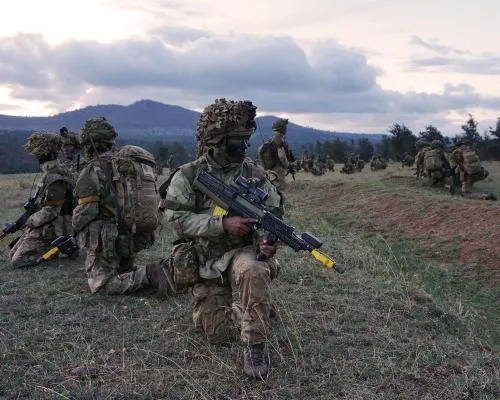 British Army Training in Kenya Suspended Amid Disputes
The British Army has cancelled its September training in Kenya due to disagreements over funding, jurisdiction for criminal offences, and human rights concerns.
-
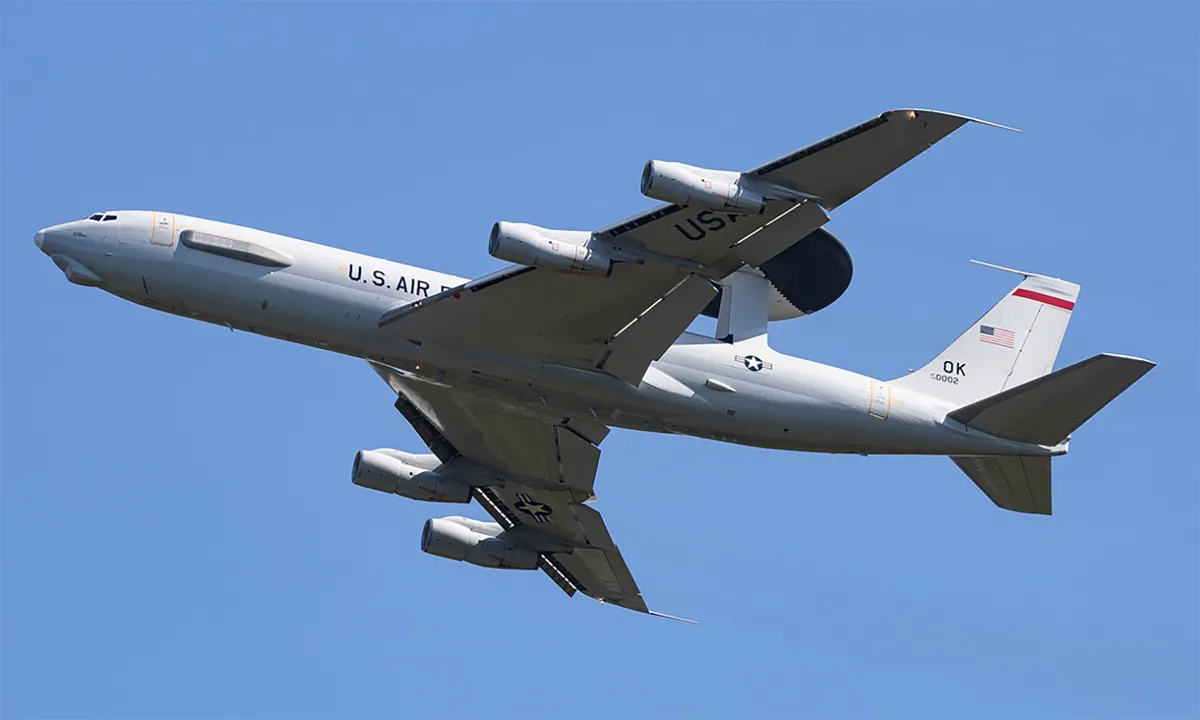 Máy bay 'mắt thần' Mỹ phát tín hiệu khẩn nguy giữa đợt tập kích Iran: Ý nghĩa chiến lược
Máy bay cảnh báo sớm E-3 Sentry của Mỹ phát tín hiệu khẩn nguy trên vùng trời Arab Saudi khi quân đội Mỹ tiến hành chiến dịch tập kích Iran. Ý nghĩa thực sự đằng sau hành động này là gì?
-
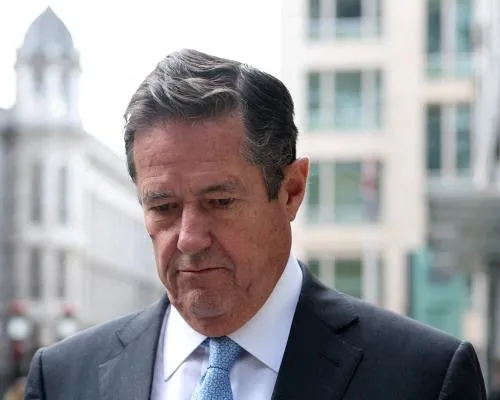 Barclays Former CEO Jes Staley Set to Testify on Epstein Ties in Closed Hearing
Barclays ex-CEO Jes Staley is set to testify before US lawmakers about his past relationship with Jeffrey Epstein as part of an investigation into the convicted sex offender’s network.
-
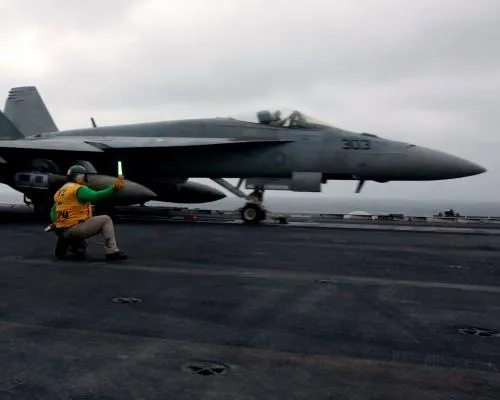 Yemen’s Houthis Claim Oil Tanker Attacks as U.S. Launches New Strikes on Iran
Yemen’s Houthi group claims attacks on two Saudi oil tankers in the Red Sea as U.S. military launches new strikes against Iran, further disrupting global shipping routes.
-
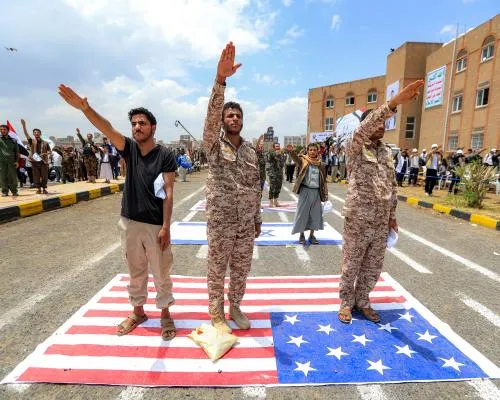 Houthi Strikes Target Two Saudi Tankers in Red Sea Amid Escalating US-Iran Tensions
Houthi militia claims responsibility for attacks on two Saudi tankers in the Red Sea as U.S. intensifies its military operations against Iran.
-
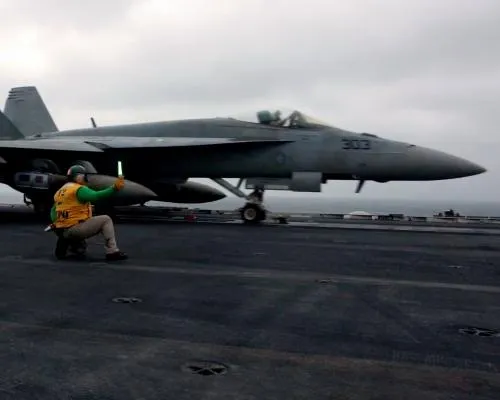 US Strikes on Iran Continue Amid Oil Price Concerns
Oil prices rise as tensions between the U.S. and Iran escalate, with Houthi attacks on oil tankers in the Red Sea and a controversial nuclear deal signed by both countries.
-
 Andy Burnham's Domestic Focus Could Quietly Enhance UK-EU Relations
Andy Burnham's focus on domestic issues could lead to unexpected alignments with EU priorities, potentially enhancing UK-EU relations.
-
 Andy Burnham's Domestic Agenda Could Unintentionally Align UK More Closely With EU
Andy Burnham's focus on domestic policy could unintentionally bring Britain closer to the EU through practical cooperation in areas like technology and regional development.
-
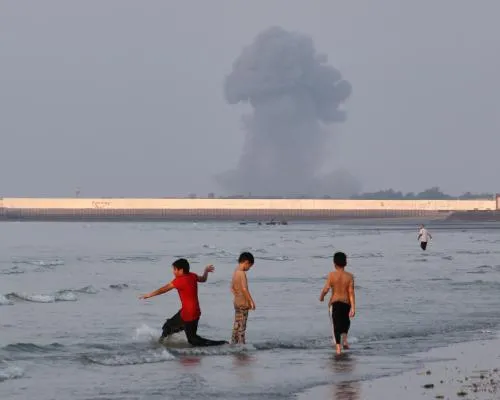 Iranians Grapple with New Normal Amidst Escalating Conflict
As conflicts intensify in Iran, daily life becomes increasingly difficult with bombings, power cuts, and water shortages. The situation raises concerns about human rights and the impact on civilians.


