- Christian Prudhomme rejected accusations of bias towards French riders.
- Prudhomme defended the use of night-time drug tests by the International Testing Agency (ITA).
- He emphasized that ITA practices do not favor any specific rider and are independent from anti-doping authorities.
Defending Night-Time Tests
Christian Prudhomme, director of the Tour de France, defended the controversial night-time drug tests, which were conducted during this year's race. Speaking at the start of stage 18 in Voiron, Prudhomme maintained that these tests are part of an independent and impartial process managed by the International Testing Agency (ITA).
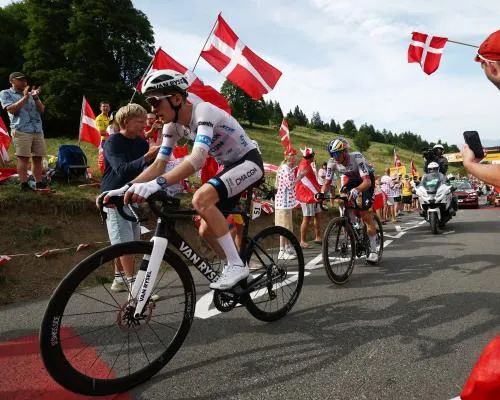
Prudhomme stated, 'We fought to have an independent agency, and now we have one,' emphasizing his belief in the ITA's autonomy. He added, 'I find out about testing at exactly the same time as you do – or often even after you do. I’m not informed beforehand, and nor should I be.' This statement was made in response to accusations that the French anti-doping authorities might have shown favoritism towards specific riders.
Reactions and Context
The comments come after a rider suggested potential bias in the drug testing process. In a statement issued by the UCI, the organization acknowledged that these unusual tests could disrupt riders' rest and recovery but noted their importance in fighting doping: 'The fight against doping is an absolute priority.' The UCI also highlighted the ITA's independence from anti-doping authorities, ensuring fair and impartial testing practices.
Independent Testing Agency
Prudhomme underscored the significance of having a dedicated independent agency. He recalled that in 2008, the Tour was organized without the UCI under the authority of the French Cycling Federation to facilitate such controls. 'That's exactly what we have and that's what we asked for,' Prudhomme said, defending the current setup.
He also addressed concerns about Pogacar, who is closing in on a record-equalling fifth Tour win: 'Obviously these kinds of checks can’t take place every single night. In this case they happened between two mountain stages. But that’s their role. That’s what the ITA are there for.' Prudhomme argued that such rigorous anti-doping measures should be seen as a standard in all sports, not just cycling.
Conclusion
The debate around night-time drug tests highlights the ongoing challenges in ensuring fair and clean competition within professional cycling. As the Tour de France continues to navigate these complex issues, it remains to be seen how such practices will shape the future of anti-doping efforts in all sports.
Source: The Guardian

Sports Update
477 posts
-
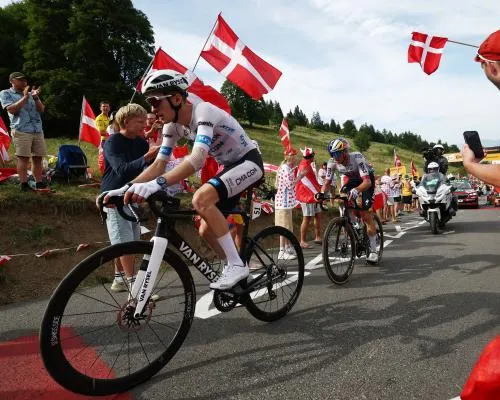 Pemegang Gelar Tour de France Mempertahankan Uji Obat Malam Walaupun Dihadapkan dengan Sanksi Diskriminatif
Christian Prudhomme, pemegang gelar Tour de France, mempertahankan uji obat malam yang kontroversial dan menekankan independensi agensi pengujian anti-doping internasional (ITA).
-
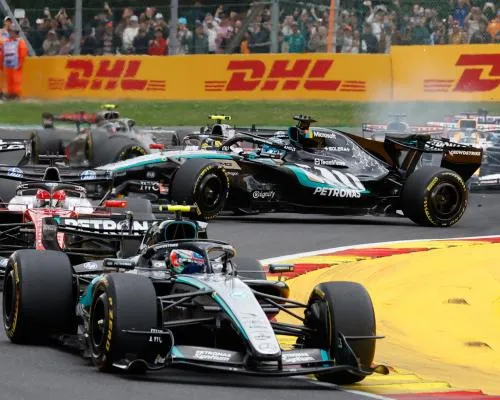 Mercedes Resolve Problema de Motor para George Russell Antes da GP da Hungria
 -
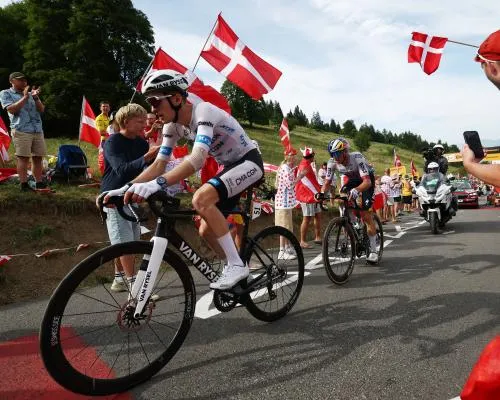 Director del Tour de France defiende pruebas nocturnas de dopaje frente a acusaciones de sesgo
El director del Tour de Francia, Christian Prudhomme, se defendió de las acusaciones de sesgo hacia los ciclistas franceses y justificó el uso de las pruebas de dopaje nocturnas realizadas por la Agencia Internacional de Prueba (ITA).
-
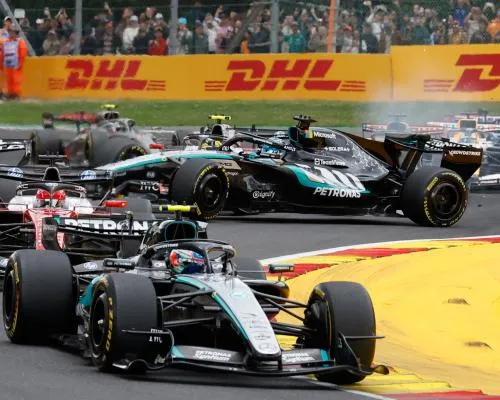 Mercedes Resolves Engine Issue for George Russell Ahead of Hungarian GP
Mercedes has resolved a key engine issue affecting George Russell’s performance, allowing him to look ahead at the Hungarian Grand Prix. Other teams are also facing similar challenges with new hybrid systems.
-
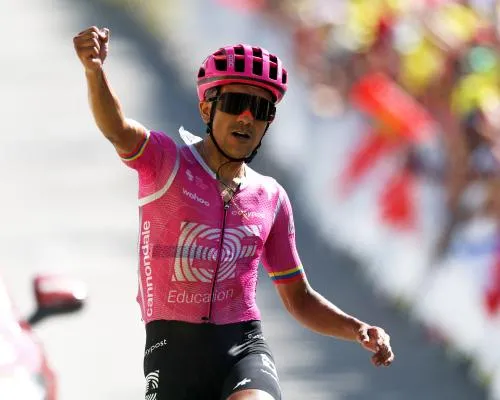 Tour de France 2026: Carapaz Menyegarkan di Climax Putaran Ke-18
 -
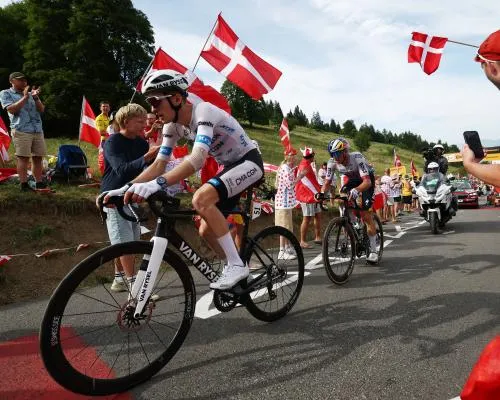 Diretor do Tour de France defende testes noturnos de doping em meio a acusações de viés
Christian Prudhomme, diretor do Tour de France, defendeu os testes de doping realizados durante a noite, rejeitando acusações de favoritismo para ciclistas franceses. Ele enfatizou que as práticas da Agência Internacional de Testagem (ITA) são imparciais e independente das autoridades
-
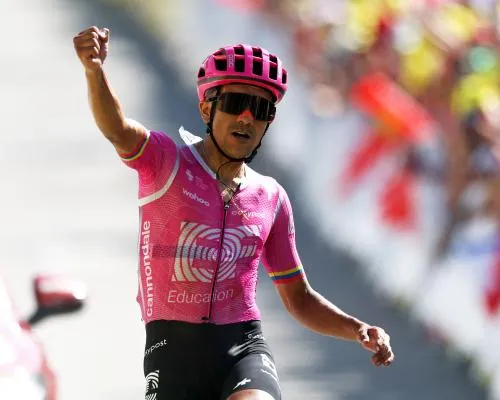 Tour de France 2026: Carapaz triunfa en el clímax de la etapa 18
 -
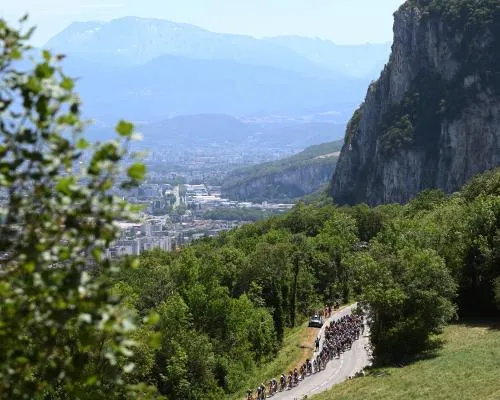 Tour de France 2026: Perbaruan Langsung dan Analisis Tarik Terakhir
Perbaruan langsung dari tarik terakhir stage 18 Tour de France menunjukkan Carapaz dan Paret-Peintre memimpin klimaks gunung sementara grup utama menghadapi tantangan di belakang.
-
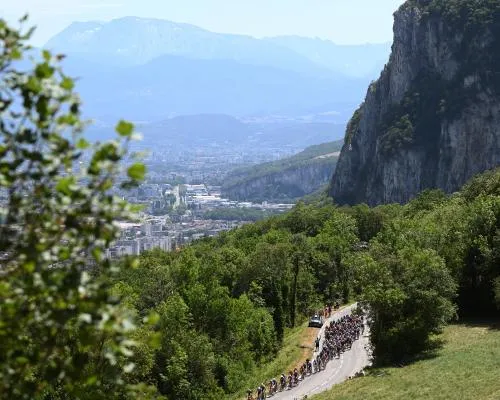 Tour de France 2026: Actualizaciones en vivo y análisis del 18º etapa
Actualizaciones desde la 18ª etapa del Tour de France 2026 muestran a Carapaz y Paret-Peintre liderando un cruce crucial mientras el grupo principal lucha por seguirlos.
-
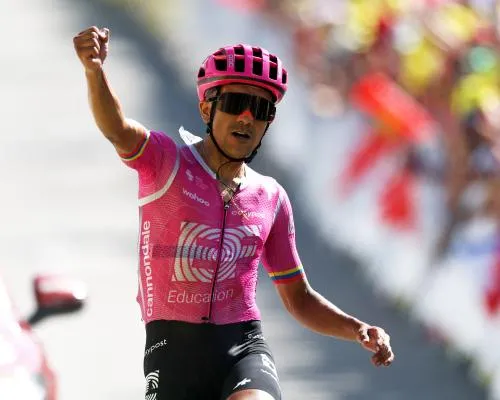 Tour de France 2026: Carapaz Triumphs in Stage 18 Climax
Richard Carapaz wins stage 18 of the 2026 Tour de France, further cementing his lead in the general classification while Paret-Peintre closes in on the polkadot jersey.


