- George Russell's engine problem has been identified and solved by Mercedes.
- The issue, affecting energy deployment on key circuits like Silverstone and Spa, will now not impact his performance.
- Russell is optimistic about the future, emphasizing 'eyes forward' despite recent frustrations.
- Multiple teams are facing issues with complex new engines and hybrid systems.
Resolution of Engine Problem
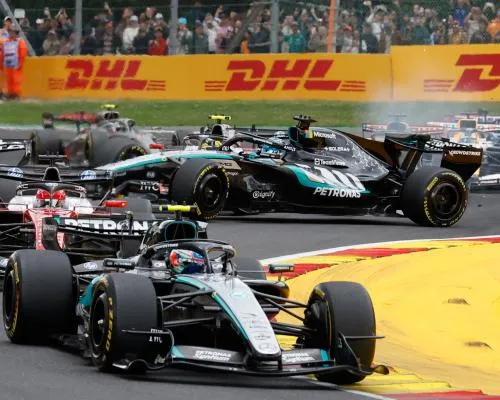
George Russell expressed optimism that Mercedes has identified and addressed a significant issue with his car's engine, which had been affecting performance at key circuits such as Silverstone and Spa. The problem, centered around the electrical energy deployment, particularly showed its impact during Belgium's race where Russell was eliminated in the early stages of the competition.
Russell described the complexity of the new power units and the challenges they pose: 'These new power units are just exceptionally complex, and there was something deeply embedded in the calibration of the code that was almost impossible to see unless you knew exactly what to look for.' This issue became particularly evident at Spa and Silverstone due to their energy-dependent nature.
Russell's Frustration and Team Response
During his radio communication with the team after an incident in Belgium, Russell expressed frustration, which he now sees as part of the process for pushing the team towards finding solutions. 'My words could have been slightly different,' he admitted. 'I felt quite vocal about this issue pre-Spa and during Spa, and ultimately we have achieved what we wanted to in the sense of finding there was an issue.' The British driver emphasized that his candor helped the team address the problem effectively: 'If you sit there and not express any views, maybe you find an issue, maybe you don’t, you don’t move forward.' This approach is indicative of a broader challenge faced by teams adapting to the new technical rules.
Broader Context in Formula 1
The issue at Mercedes is not isolated; other teams are also grappling with similar problems. McLaren's Oscar Piastri, for instance, has been experiencing difficulties in energy deployment during qualifying sessions. Both teams and drivers are struggling to fully understand the variables within the complex computer-controlled systems governing the new engine design.
Meanwhile, there is speculation about potential changes in the 2023 calendar. The possibility of a return for the Malaysian Grand Prix has been discussed, with an eye on filling the gap between Baku and Singapore's race dates. However, the likelihood of this happening remains uncertain due to regional conflicts.
Future Uncertainties
As F1 continues to navigate these technical challenges, the team is also considering contingency plans for the final two races in Qatar and Abu Dhabi. A potential substitute venue if the Middle Eastern races are cancelled due to ongoing hostilities is Portimão in Portugal.
The outcome of these discussions will be critical not just for this season's standings but for the future development of the sport. The complexity of the hybrid systems and the need for clear communication between drivers, teams, and officials underscore the evolving nature of Formula 1 in the current era.
Source: The Guardian

Sports Update
477 posts
-
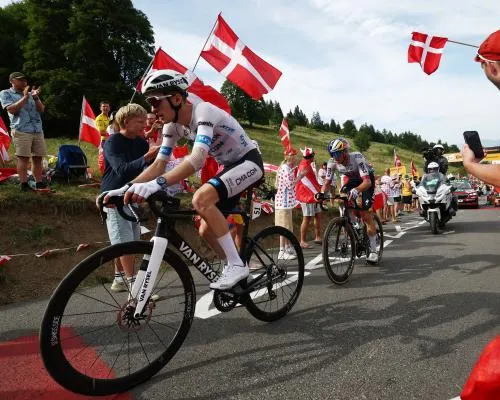 Pemegang Gelar Tour de France Mempertahankan Uji Obat Malam Walaupun Dihadapkan dengan Sanksi Diskriminatif
Christian Prudhomme, pemegang gelar Tour de France, mempertahankan uji obat malam yang kontroversial dan menekankan independensi agensi pengujian anti-doping internasional (ITA).
-
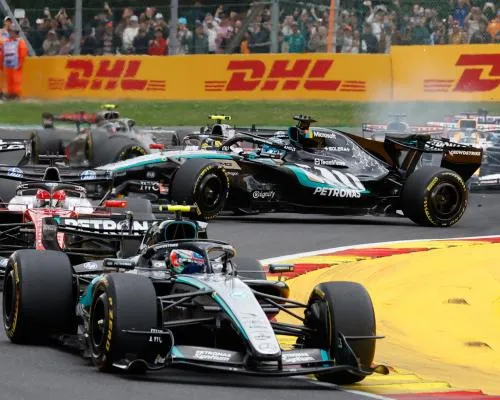 Mercedes Resolve Problema de Motor para George Russell Antes da GP da Hungria
 -
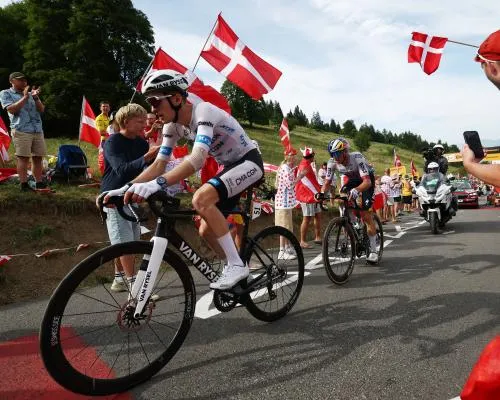 Director del Tour de France defiende pruebas nocturnas de dopaje frente a acusaciones de sesgo
El director del Tour de Francia, Christian Prudhomme, se defendió de las acusaciones de sesgo hacia los ciclistas franceses y justificó el uso de las pruebas de dopaje nocturnas realizadas por la Agencia Internacional de Prueba (ITA).
-
 Tour de France 2026: Carapaz Menyegarkan di Climax Putaran Ke-18
 -
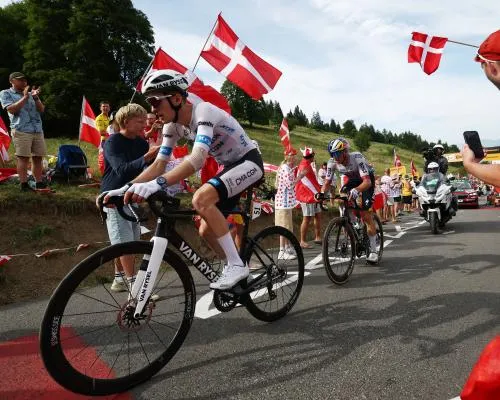 Diretor do Tour de France defende testes noturnos de doping em meio a acusações de viés
Christian Prudhomme, diretor do Tour de France, defendeu os testes de doping realizados durante a noite, rejeitando acusações de favoritismo para ciclistas franceses. Ele enfatizou que as práticas da Agência Internacional de Testagem (ITA) são imparciais e independente das autoridades
-
 Tour de France 2026: Carapaz triunfa en el clímax de la etapa 18
 -
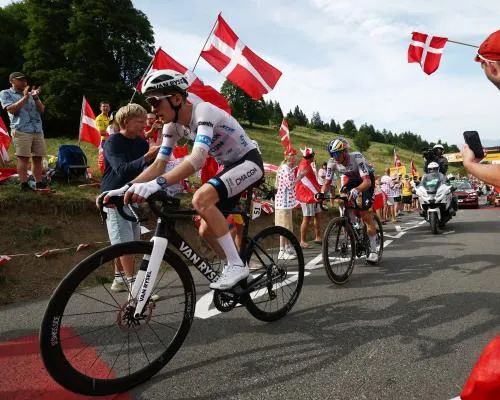 Tour de France Director Defends Night-Time Drug Tests Amid Bias Allegations
Tour de France director Christian Prudhomme defends night-time drug tests amid accusations of bias, emphasizing the independence and impartiality of the International Testing Agency (ITA).
-
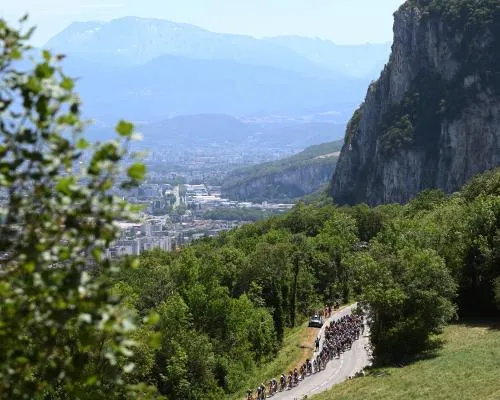 Tour de France 2026: Perbaruan Langsung dan Analisis Tarik Terakhir
Perbaruan langsung dari tarik terakhir stage 18 Tour de France menunjukkan Carapaz dan Paret-Peintre memimpin klimaks gunung sementara grup utama menghadapi tantangan di belakang.
-
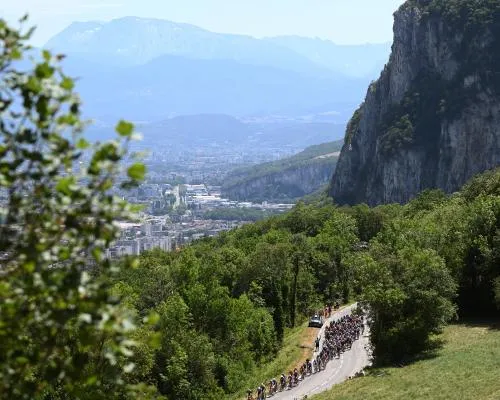 Tour de France 2026: Actualizaciones en vivo y análisis del 18º etapa
Actualizaciones desde la 18ª etapa del Tour de France 2026 muestran a Carapaz y Paret-Peintre liderando un cruce crucial mientras el grupo principal lucha por seguirlos.
-
 Tour de France 2026: Carapaz Triumphs in Stage 18 Climax
Richard Carapaz wins stage 18 of the 2026 Tour de France, further cementing his lead in the general classification while Paret-Peintre closes in on the polkadot jersey.


