Andy Burnham's Domestic Agenda Could Unintentionally Align UK More Closely With EU

- Andy Burnham’s focus on domestic policies may inadvertently lead to closer ties with the EU.
- His economic and security agenda is likely to align more closely with European priorities.
- Potential areas of cooperation include technology sovereignty and regional regeneration projects.
- Despite reduced emphasis on EU rhetoric, Burnham's goals could foster practical collaboration.
Global Reaction to New Prime Minister
The European Union’s leaders have welcomed Andy Burnham as Britain’s seventh prime minister since the Brexit vote. They express hope that his tenure will continue the warming of EU-UK relations initiated by his predecessor, Keir Starmer. Leaders from various EU countries, including Ursula von der Leyen and Emmanuel Macron, have publicly stated their desire for a stronger partnership with Burnham's government.
Pro-European Instincts but Domestic Priorities
Burnham’s primary focus remains on domestic issues such as industrialization, regionalism, and economic sovereignty. In his recent campaign, he emphasized the need to unify the nation after Brexit's divisive impact. However, his support for rejoining the EU during his 2016 referendum vote suggests a pro-European stance.

Paul Taylor points out that Burnham’s priorities may not initially include significant foreign policy initiatives, as his government focuses on internal development and addressing economic stagnation. His vision of reducing reliance on foreign data centers and US-centric tech policies aligns with the EU's strategic autonomy goals.
Potential for Closer UK-EU Collaboration
Joël Reland argues that Burnham’s emphasis on domestic devolution rather than traditional diplomacy could shift EU-UK negotiations to a lower priority. Nevertheless, his economic and security agenda closely mirrors the EU's own strategic priorities.
Anthony Dworkin from ECFR suggests that while Burnham may not prioritize frequent summits with Europe, practical areas of cooperation like critical minerals and cloud storage could develop due to shared goals in technology sovereignty.
Potential Impact on EU-UK Relations
While Burnham’s rhetoric on the EU may be less prominent than Starmer's, his policy initiatives have the potential to bring the UK closer to Brussels. Specific areas of focus include regional regeneration projects and supply chain partnerships that could align with EU efforts.
Jennifer Rankin notes that Burnham will face early choices about how much effort he invests in improving relations with the EU, considering his predecessors’ limited success in this regard. Despite these challenges, the alignment of domestic policies with European goals may lead to a more effective partnership without overt emphasis on EU rhetoric.
Source: The Guardian
Guardian News World
572 posts
-
 Frequency of Mosque Attacks Puts Spotlight on Security Concerns
A new report highlights the frequency of mosque attacks in Britain, with one attack every five days over the past year.
-
 British Army Training in Kenya Suspended Amid Disputes
The British Army has cancelled its September training in Kenya due to disagreements over funding, jurisdiction for criminal offences, and human rights concerns.
-
 Máy bay 'mắt thần' Mỹ phát tín hiệu khẩn nguy giữa đợt tập kích Iran: Ý nghĩa chiến lược
Máy bay cảnh báo sớm E-3 Sentry của Mỹ phát tín hiệu khẩn nguy trên vùng trời Arab Saudi khi quân đội Mỹ tiến hành chiến dịch tập kích Iran. Ý nghĩa thực sự đằng sau hành động này là gì?
-
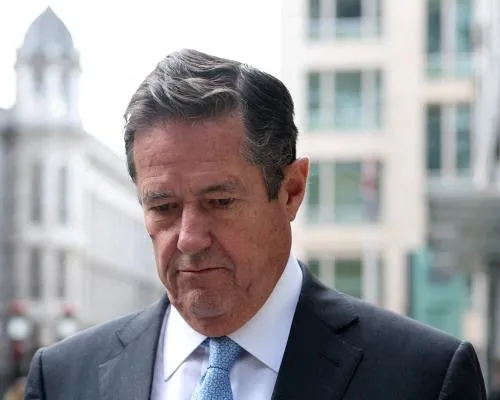 Barclays Former CEO Jes Staley Set to Testify on Epstein Ties in Closed Hearing
Barclays ex-CEO Jes Staley is set to testify before US lawmakers about his past relationship with Jeffrey Epstein as part of an investigation into the convicted sex offender’s network.
-
 Yemen’s Houthis Claim Oil Tanker Attacks as U.S. Launches New Strikes on Iran
Yemen’s Houthi group claims attacks on two Saudi oil tankers in the Red Sea as U.S. military launches new strikes against Iran, further disrupting global shipping routes.
-
 Houthi Strikes Target Two Saudi Tankers in Red Sea Amid Escalating US-Iran Tensions
Houthi militia claims responsibility for attacks on two Saudi tankers in the Red Sea as U.S. intensifies its military operations against Iran.
-
 US Strikes on Iran Continue Amid Oil Price Concerns
Oil prices rise as tensions between the U.S. and Iran escalate, with Houthi attacks on oil tankers in the Red Sea and a controversial nuclear deal signed by both countries.
-
 Andy Burnham's Domestic Focus Could Quietly Enhance UK-EU Relations
Andy Burnham's focus on domestic issues could lead to unexpected alignments with EU priorities, potentially enhancing UK-EU relations.
-
 U.S.-Iran Tensions Escalate: A Global Crisis Emerges
The ongoing conflict between the U.S. and Iran over the Strait of Hormuz has escalated into a global crisis, with economic repercussions and geopolitical tensions intensifying.
-
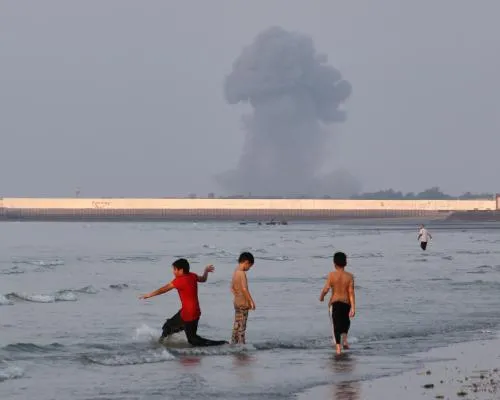 Iranians Grapple with New Normal Amidst Escalating Conflict
As conflicts intensify in Iran, daily life becomes increasingly difficult with bombings, power cuts, and water shortages. The situation raises concerns about human rights and the impact on civilians.


