- Kenya refused to ratify a bilateral defence agreement, leading to cancellation of UK training exercises.
- The disagreement includes issues over funding and jurisdiction for criminal offences.
- A British Ministry of Defence spokesperson expressed regret but remains committed to the partnership.
- Disputes surrounding the presence of British troops in Kenya have led to ongoing tensions.
Key Issues Leading to Cancellation
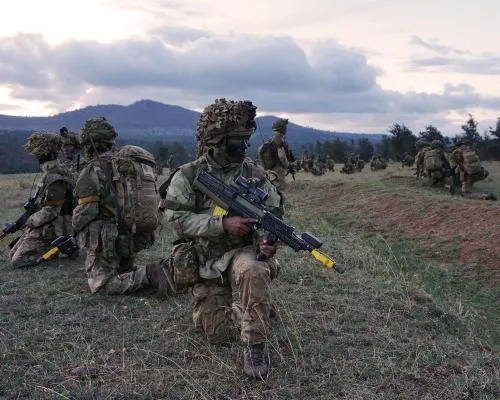
The British army has been forced to cancel a training exercise in Kenya after the Kenyan government refused to ratify a bilateral defence agreement. According to the Kenyan news outlet the Daily Nation, this dispute centers on which cases Kenya will retain primary jurisdiction over and the amount of money Britain pays for hosting the training camp.
Kenya’s national assembly's defence committee chair, Nelson Koech, emphasized the need for stronger accountability measures. These include jurisdiction over serious offences and enhanced protection for local communities. The cancellation of the planned exercise by an unspecified battalion was due to begin in a specific month but has now been relocated elsewhere.
Engagement and Alternatives
A Ministry of Defence spokesperson stated that despite the cancellation, the UK remains committed to its defence partnership with Kenya. The planned exercise, which was to take place in an unspecified location, will be conducted at an alternative location outside Kenya due to necessary licences not being forthcoming.
The spokesperson emphasized the importance of maintaining this relationship and highlighted the economic benefits for both countries. However, the cancellation has caused disappointment among those who would have benefited from the economic activity generated by the exercise.
Background and Ongoing Tensions
This decision comes amid longstanding issues with the continued presence of British troops in Kenya. A recent report to the Kenyan parliament into the base at BATUK (British Army Training Unit Kenya) alleged human rights violations, environmental damage, and sexual abuse by British soldiers.
The most high-profile case involves a person who has been charged with murder, but specific names are not provided. The case is particularly contentious as Kenya retains jurisdiction over the matter, and an extradition hearing is scheduled for November 2023. Robert Purkiss, the accused, denies the single charge.
Legal proceedings had stalled since the incident occurred before 2013 but advanced under John Healey’s tenure as defence secretary. As shadow defence secretary, he called on the previous government to do more to progress the case.
Committee Pressures and Future Prospects
Koech highlighted the committee's calls for stronger accountability measures, including jurisdiction over serious offences, enhanced protection for local communities, and implementation of recommendations from an earlier inquiry into the base’s activities. The UK government remains committed to its defence partnership with Kenya.
The spokesperson stated: “The UK highly values its relationship with Kenya, which is underpinned by mutual benefit, respect and cooperation. The UK-Kenya Defence Partnership is one of the great strengths of our relationship.”
Koech also noted that there has been sustained pressure from Kenyan people opposed to the British army’s continued presence.
Conclusion
The cancellation of training exercises between Britain and Kenya underscores the complexity of international military cooperation and the challenges of balancing mutual benefits with local concerns. Despite these ongoing tensions, both governments are actively engaging to address these outstanding issues and find a mutually acceptable solution that addresses both nations' interests.
Source: The Guardian

Uk News Feed
333 posts
-
 Frequency of Mosque Attacks Puts Spotlight on Security Concerns
A new report highlights the frequency of mosque attacks in Britain, with one attack every five days over the past year.
-
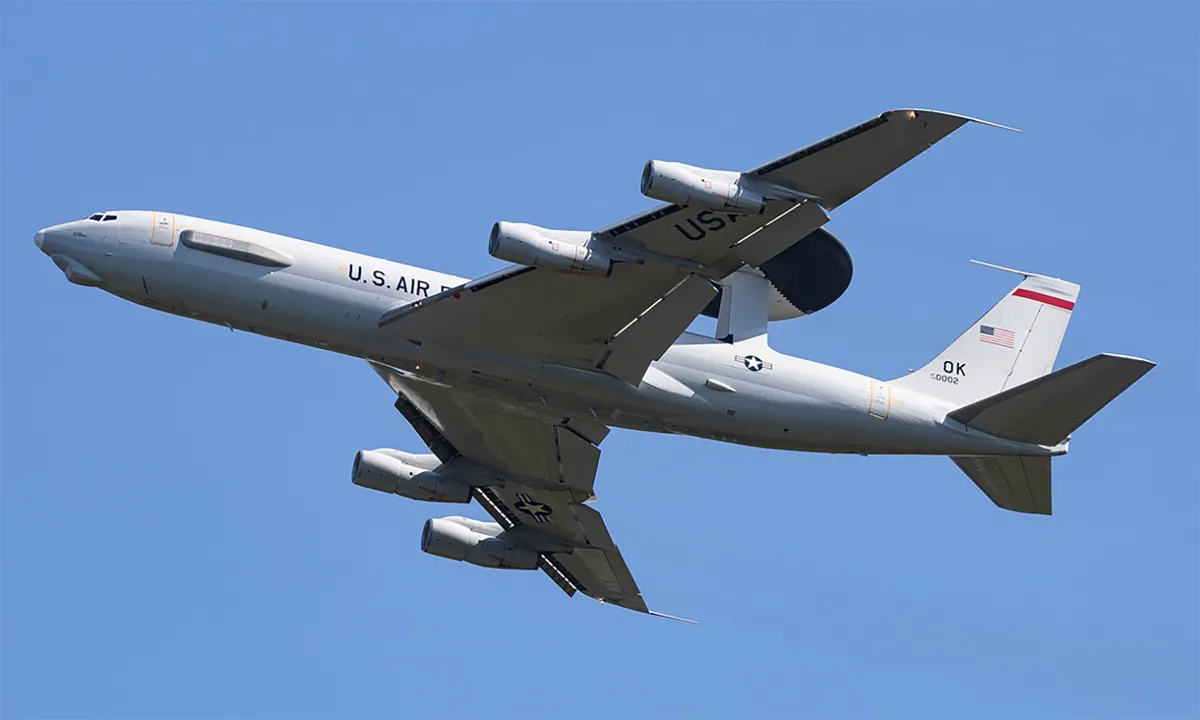 Máy bay 'mắt thần' Mỹ phát tín hiệu khẩn nguy giữa đợt tập kích Iran: Ý nghĩa chiến lược
Máy bay cảnh báo sớm E-3 Sentry của Mỹ phát tín hiệu khẩn nguy trên vùng trời Arab Saudi khi quân đội Mỹ tiến hành chiến dịch tập kích Iran. Ý nghĩa thực sự đằng sau hành động này là gì?
-
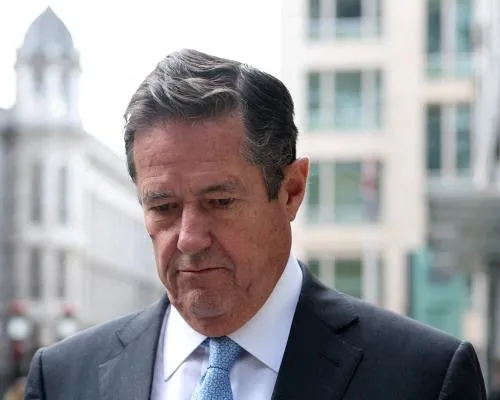 Barclays Former CEO Jes Staley Set to Testify on Epstein Ties in Closed Hearing
Barclays ex-CEO Jes Staley is set to testify before US lawmakers about his past relationship with Jeffrey Epstein as part of an investigation into the convicted sex offender’s network.
-
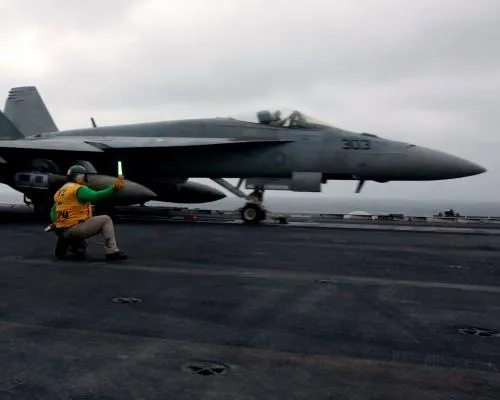 Yemen’s Houthis Claim Oil Tanker Attacks as U.S. Launches New Strikes on Iran
Yemen’s Houthi group claims attacks on two Saudi oil tankers in the Red Sea as U.S. military launches new strikes against Iran, further disrupting global shipping routes.
-
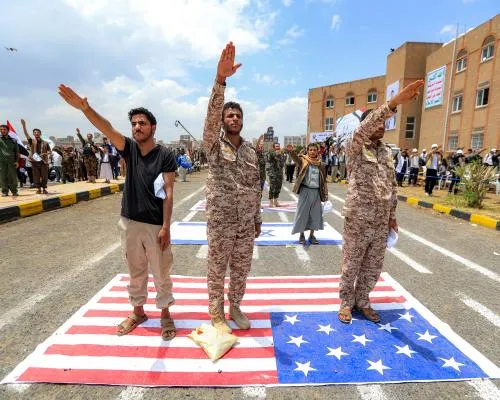 Houthi Strikes Target Two Saudi Tankers in Red Sea Amid Escalating US-Iran Tensions
Houthi militia claims responsibility for attacks on two Saudi tankers in the Red Sea as U.S. intensifies its military operations against Iran.
-
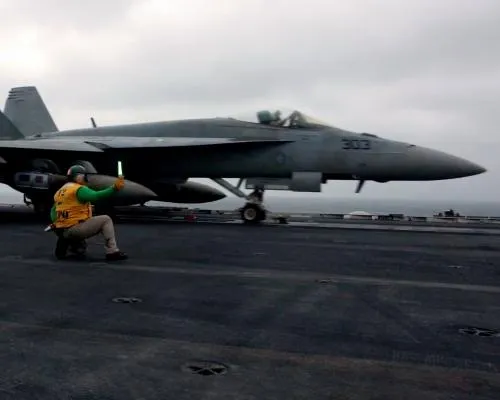 US Strikes on Iran Continue Amid Oil Price Concerns
Oil prices rise as tensions between the U.S. and Iran escalate, with Houthi attacks on oil tankers in the Red Sea and a controversial nuclear deal signed by both countries.
-
 Andy Burnham's Domestic Focus Could Quietly Enhance UK-EU Relations
Andy Burnham's focus on domestic issues could lead to unexpected alignments with EU priorities, potentially enhancing UK-EU relations.
-
 U.S.-Iran Tensions Escalate: A Global Crisis Emerges
The ongoing conflict between the U.S. and Iran over the Strait of Hormuz has escalated into a global crisis, with economic repercussions and geopolitical tensions intensifying.
-
 Andy Burnham's Domestic Agenda Could Unintentionally Align UK More Closely With EU
Andy Burnham's focus on domestic policy could unintentionally bring Britain closer to the EU through practical cooperation in areas like technology and regional development.
-
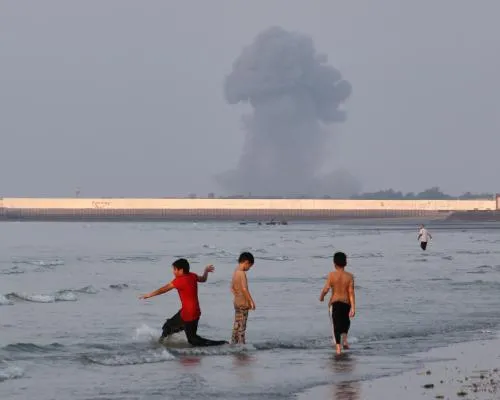 Iranians Grapple with New Normal Amidst Escalating Conflict
As conflicts intensify in Iran, daily life becomes increasingly difficult with bombings, power cuts, and water shortages. The situation raises concerns about human rights and the impact on civilians.


