- Oil prices rise due to renewed military tensions.
- Houthis claim attacks on Saudi oil tankers in Red Sea.
- US signs nuclear deal with Saudi Arabia, stirring controversy.
Market Reaction to Conflict
The conflict between the United States and Iran is causing significant market reactions, with investors increasingly concerned about the potential for inflation and rising energy prices. Oil prices have climbed, particularly Brent crude futures which rose by more than 1.3% on Thursday, reaching $95.31 a barrel. This rise follows an earlier surge of over 3% in oil prices, breaking above $95 after the US launched new strikes against Iran.Oil tanker attacks and blockadesThe Houthis, aligned with Iran, claim to have attacked two Saudi oil tankers in the Red Sea. These attacks come as part of a broader naval blockade on Saudi Arabia. The incident tests how strictly the Houthis will enforce their blockade on oil shipments from the kingdom. Two large Chinese crude carriers are currently navigating through the Bab el-Mandeb strait to avoid the threat in the Hormuz Strait.Nuclear Deal Between US and Saudi ArabiaA significant development in Middle East geopolitics is the signing of a landmark nuclear deal between the United States and Saudi Arabia. This agreement, which remains largely unclear, aims to establish a civilian nuclear program in Saudi Arabia using American technology and expertise. Critics fear this could lead to an arms race in the region, with concerns over the potential for Saudi Arabia to enrich uranium domestically.US Strikes on IranThe US military has completed its 12th consecutive night of strikes against Iranian targets, including maritime capabilities, missile and drone storage facilities, coastal surveillance sites, and air defense assets. The strikes aim to degrade Iran’s ability to attack civilian mariners and commercial vessels. Central Command reported that they had targeted dozens of Iranian military sites on land this month, redirecting nine commercial vessels and disabling one.Controversial Blockades and AttacksThe US continues its naval blockade in the Hormuz Strait while Iran’s Revolutionary Guard has stopped three oil tankers from passing through. These actions have heightened tensions, as millions of barrels of Saudi oil are currently being rerouted to avoid the conflict zone. In response to these events, both sides have issued strong statements emphasizing their control over strategic waterways and warning that any violations will face consequences.The Houthis' claims add another layer of complexity to the ongoing crisis in the Middle East, potentially leading to a second chokepoint on global oil supplies similar to the one in the Hormuz Strait. The signing of this nuclear deal with Saudi Arabia is particularly contentious given the ongoing conflict between Iran and the US. The agreement may face opposition from lawmakers concerned about monitoring safeguards and the potential for proliferation.Source: The Guardian

Guardian News World
572 posts
-
 Frequency of Mosque Attacks Puts Spotlight on Security Concerns
A new report highlights the frequency of mosque attacks in Britain, with one attack every five days over the past year.
-
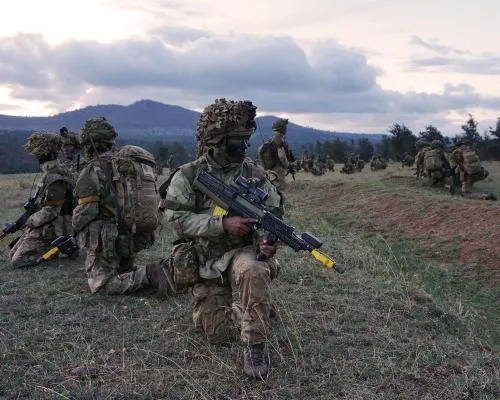 British Army Training in Kenya Suspended Amid Disputes
The British Army has cancelled its September training in Kenya due to disagreements over funding, jurisdiction for criminal offences, and human rights concerns.
-
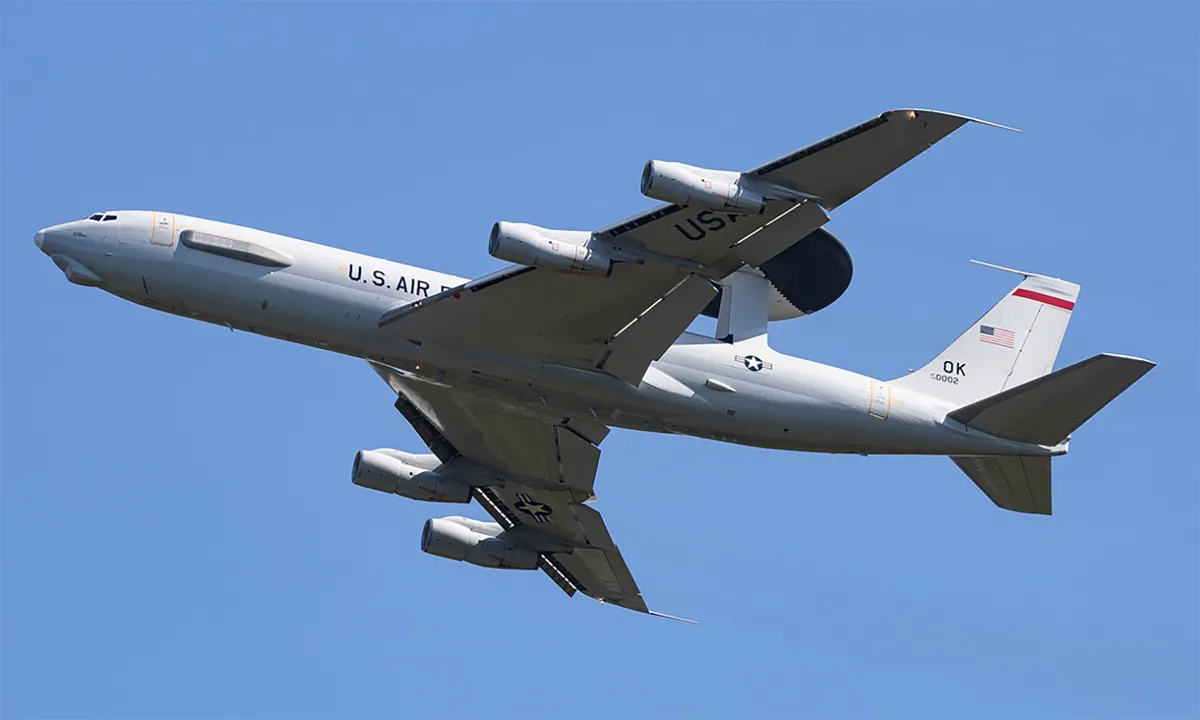 Máy bay 'mắt thần' Mỹ phát tín hiệu khẩn nguy giữa đợt tập kích Iran: Ý nghĩa chiến lược
Máy bay cảnh báo sớm E-3 Sentry của Mỹ phát tín hiệu khẩn nguy trên vùng trời Arab Saudi khi quân đội Mỹ tiến hành chiến dịch tập kích Iran. Ý nghĩa thực sự đằng sau hành động này là gì?
-
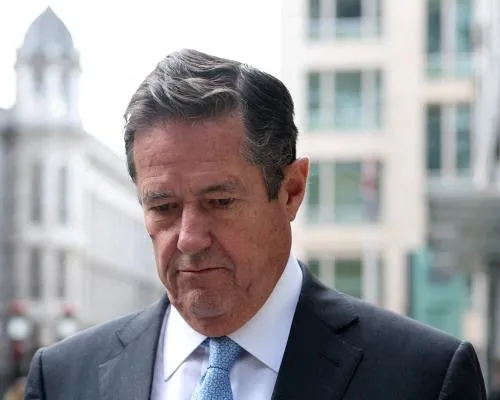 Barclays Former CEO Jes Staley Set to Testify on Epstein Ties in Closed Hearing
Barclays ex-CEO Jes Staley is set to testify before US lawmakers about his past relationship with Jeffrey Epstein as part of an investigation into the convicted sex offender’s network.
-
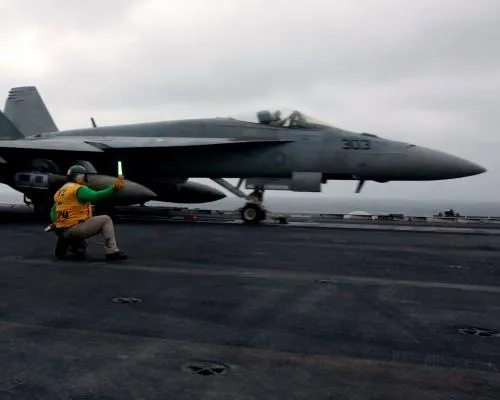 Yemen’s Houthis Claim Oil Tanker Attacks as U.S. Launches New Strikes on Iran
Yemen’s Houthi group claims attacks on two Saudi oil tankers in the Red Sea as U.S. military launches new strikes against Iran, further disrupting global shipping routes.
-
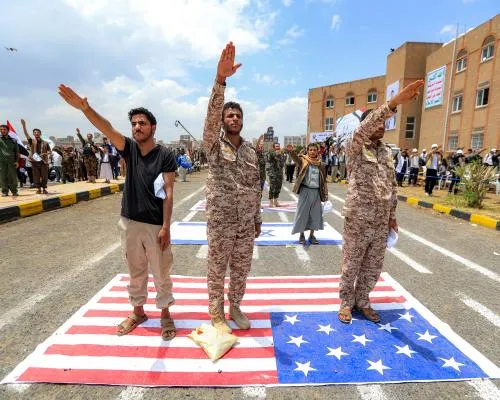 Houthi Strikes Target Two Saudi Tankers in Red Sea Amid Escalating US-Iran Tensions
Houthi militia claims responsibility for attacks on two Saudi tankers in the Red Sea as U.S. intensifies its military operations against Iran.
-
 Andy Burnham's Domestic Focus Could Quietly Enhance UK-EU Relations
Andy Burnham's focus on domestic issues could lead to unexpected alignments with EU priorities, potentially enhancing UK-EU relations.
-
 U.S.-Iran Tensions Escalate: A Global Crisis Emerges
The ongoing conflict between the U.S. and Iran over the Strait of Hormuz has escalated into a global crisis, with economic repercussions and geopolitical tensions intensifying.
-
 Andy Burnham's Domestic Agenda Could Unintentionally Align UK More Closely With EU
Andy Burnham's focus on domestic policy could unintentionally bring Britain closer to the EU through practical cooperation in areas like technology and regional development.
-
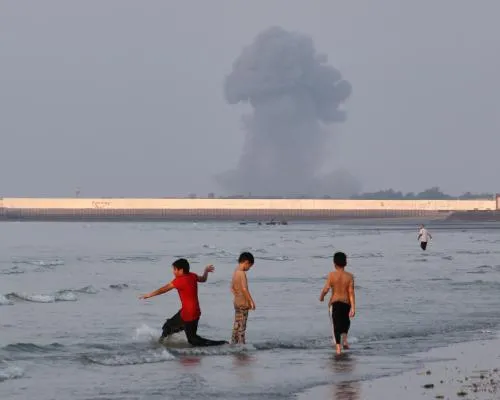 Iranians Grapple with New Normal Amidst Escalating Conflict
As conflicts intensify in Iran, daily life becomes increasingly difficult with bombings, power cuts, and water shortages. The situation raises concerns about human rights and the impact on civilians.


