- Residents in Bandar Abbas describe daily life as 'new normal' due to airstrikes, power cuts, and internet shutdowns.
- Water shortages and heat are major concerns for Iranians, especially in Jask following US strikes on desalination plants.
- Iran’s human rights crisis continues with reports of at least 400 executions since the beginning of the year.
Life Under Siege: Bandar Abbas
In the port city of Bandar Abbas, life has become a daily struggle for its residents. Since the recent escalation in conflict, loud explosions and prolonged power cuts have become an everyday occurrence. Soroush, a 37-year-old writer based there, explains that people are adapting to this new reality, saying, 'We need to accept this could just be our new reality now.' This acceptance, however, comes at a cost as residents fear the impact on their daily lives and livelihoods.
Water Shortages and Panic in Jask
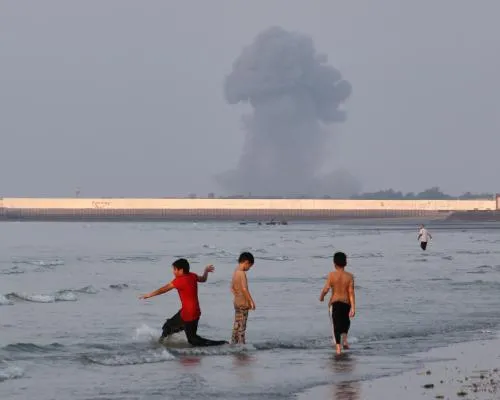
The situation is even more dire in Jask, another port city reportedly struck by US airstrikes. Moein, a local resident, shares his concerns: 'The heat is rising, and if we lack water supply due to these attacks, we will die of heat exhaustion and thirst.' While the water supply has been restored, panic among residents is palpable as they prepare for potential future attacks.
The Human Cost: Executions and Repression
Amidst the ongoing conflict, Iran’s human rights crisis remains a critical issue. According to reports, at least 400 people have been executed since the beginning of the year, including teenagers, foreign nationals, protesters, and former political prisoners. Nik Kowsar, an Iranian journalist based in the US, notes that such attacks leave ordinary families without basic necessities like water, electricity, medicine, or income.
Reactions and Perceptions
The escalation of conflict has left many Iranians feeling trapped between two powers with no clear path to resolution. Soroush expresses deep sadness and helplessness: 'This is just the beginning of more Iranian lives being on the line either for the US or the regime.' Despite these dire circumstances, Kowsar highlights that Iranians can despise their government while still opposing attacks that threaten civilian infrastructure.
Source: The Guardian

Guardian News World
572 posts
-
 Frequency of Mosque Attacks Puts Spotlight on Security Concerns
A new report highlights the frequency of mosque attacks in Britain, with one attack every five days over the past year.
-
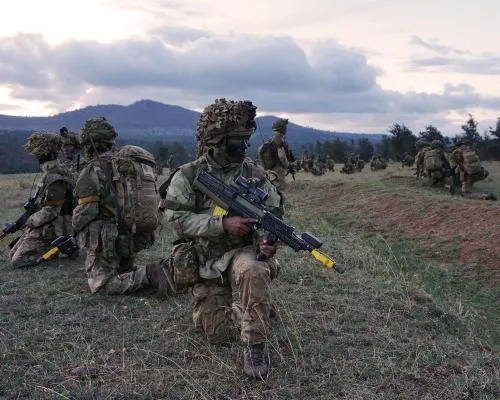 British Army Training in Kenya Suspended Amid Disputes
The British Army has cancelled its September training in Kenya due to disagreements over funding, jurisdiction for criminal offences, and human rights concerns.
-
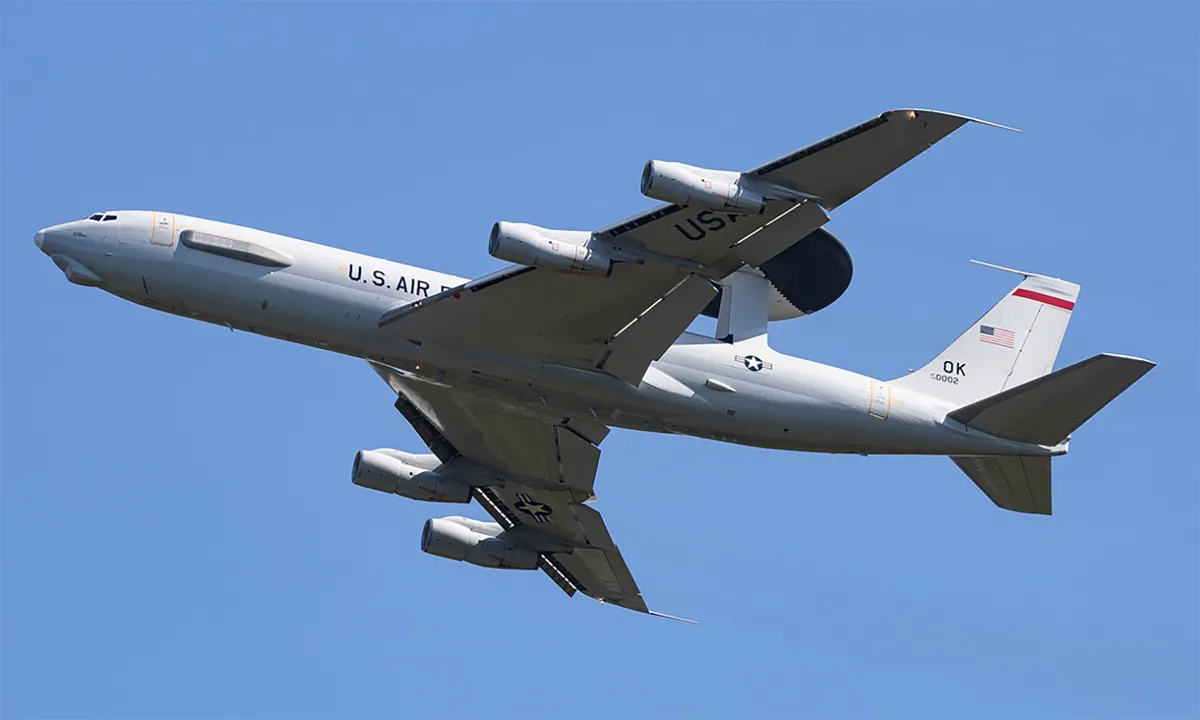 Máy bay 'mắt thần' Mỹ phát tín hiệu khẩn nguy giữa đợt tập kích Iran: Ý nghĩa chiến lược
Máy bay cảnh báo sớm E-3 Sentry của Mỹ phát tín hiệu khẩn nguy trên vùng trời Arab Saudi khi quân đội Mỹ tiến hành chiến dịch tập kích Iran. Ý nghĩa thực sự đằng sau hành động này là gì?
-
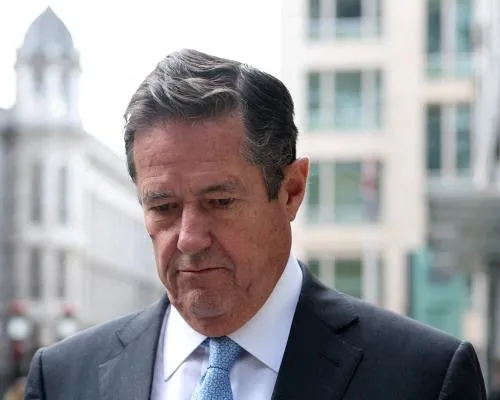 Barclays Former CEO Jes Staley Set to Testify on Epstein Ties in Closed Hearing
Barclays ex-CEO Jes Staley is set to testify before US lawmakers about his past relationship with Jeffrey Epstein as part of an investigation into the convicted sex offender’s network.
-
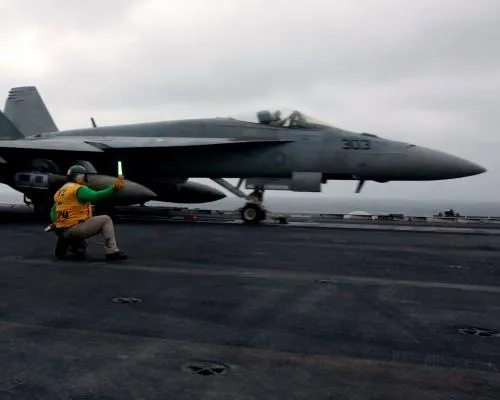 Yemen’s Houthis Claim Oil Tanker Attacks as U.S. Launches New Strikes on Iran
Yemen’s Houthi group claims attacks on two Saudi oil tankers in the Red Sea as U.S. military launches new strikes against Iran, further disrupting global shipping routes.
-
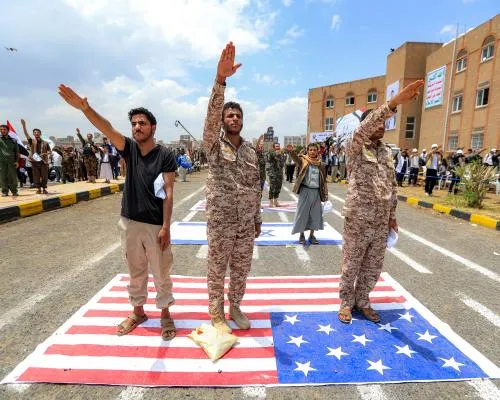 Houthi Strikes Target Two Saudi Tankers in Red Sea Amid Escalating US-Iran Tensions
Houthi militia claims responsibility for attacks on two Saudi tankers in the Red Sea as U.S. intensifies its military operations against Iran.
-
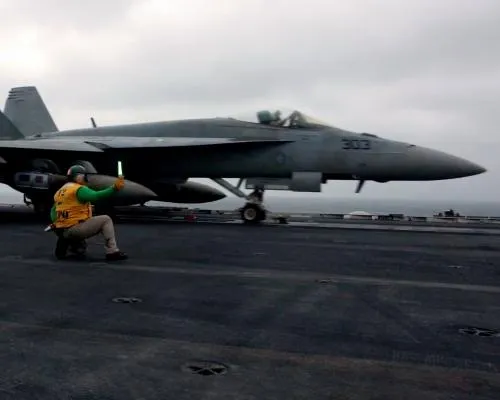 US Strikes on Iran Continue Amid Oil Price Concerns
Oil prices rise as tensions between the U.S. and Iran escalate, with Houthi attacks on oil tankers in the Red Sea and a controversial nuclear deal signed by both countries.
-
 Andy Burnham's Domestic Focus Could Quietly Enhance UK-EU Relations
Andy Burnham's focus on domestic issues could lead to unexpected alignments with EU priorities, potentially enhancing UK-EU relations.
-
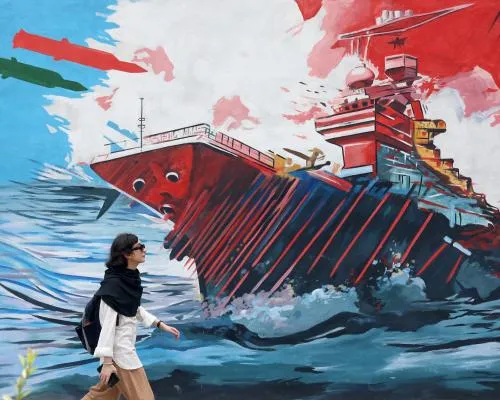 U.S.-Iran Tensions Escalate: A Global Crisis Emerges
The ongoing conflict between the U.S. and Iran over the Strait of Hormuz has escalated into a global crisis, with economic repercussions and geopolitical tensions intensifying.
-
 Andy Burnham's Domestic Agenda Could Unintentionally Align UK More Closely With EU
Andy Burnham's focus on domestic policy could unintentionally bring Britain closer to the EU through practical cooperation in areas like technology and regional development.


